Call for Experts: State Staff Academy on Emerging Technologies — Artificial Intelligence Module
Now Open: Applications for the CCST Science and Technology Policy Fellowship
December 1, 2025 | CCST Newsroom, CCST S&T Policy Fellows, Press Releases | Contact: Bethany Hopkins
Overview
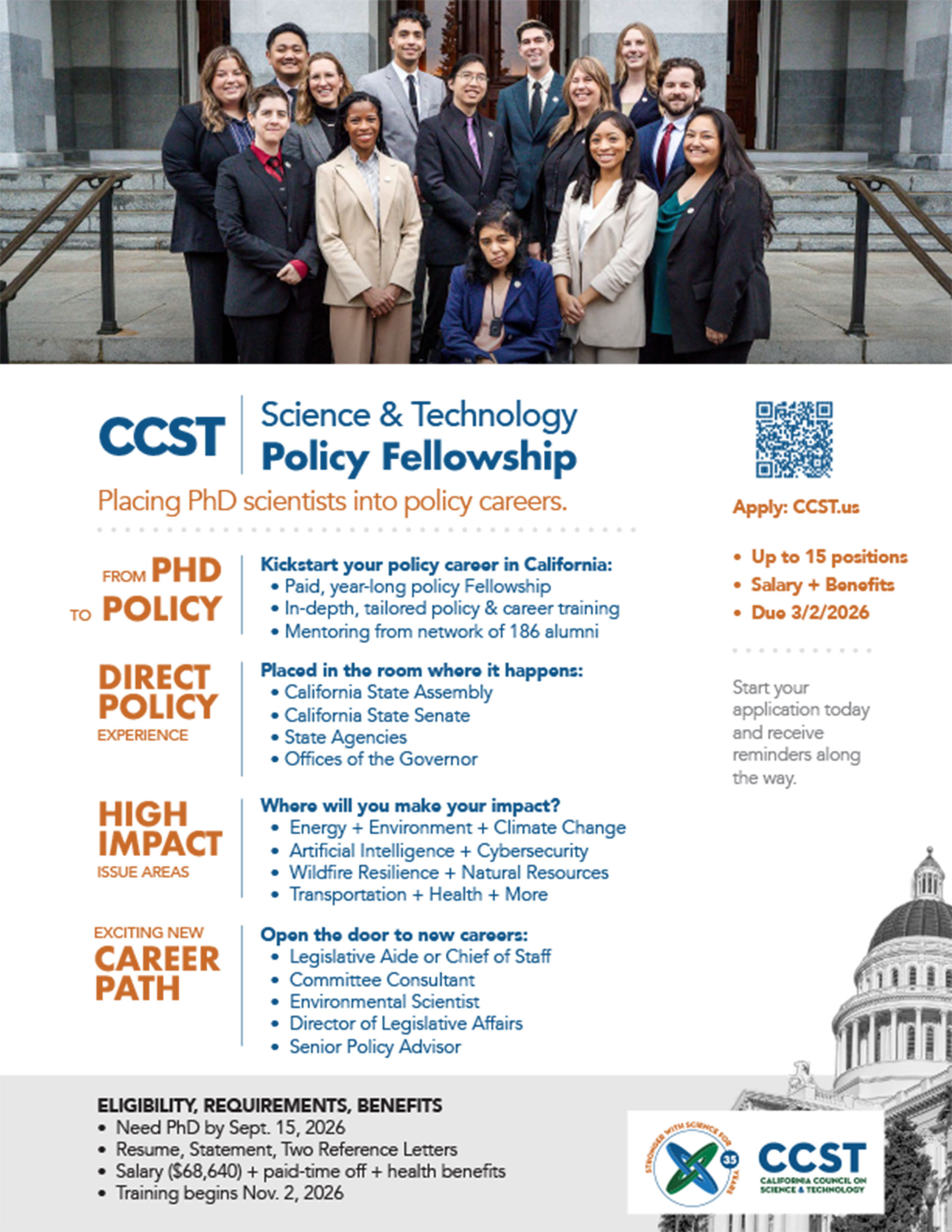
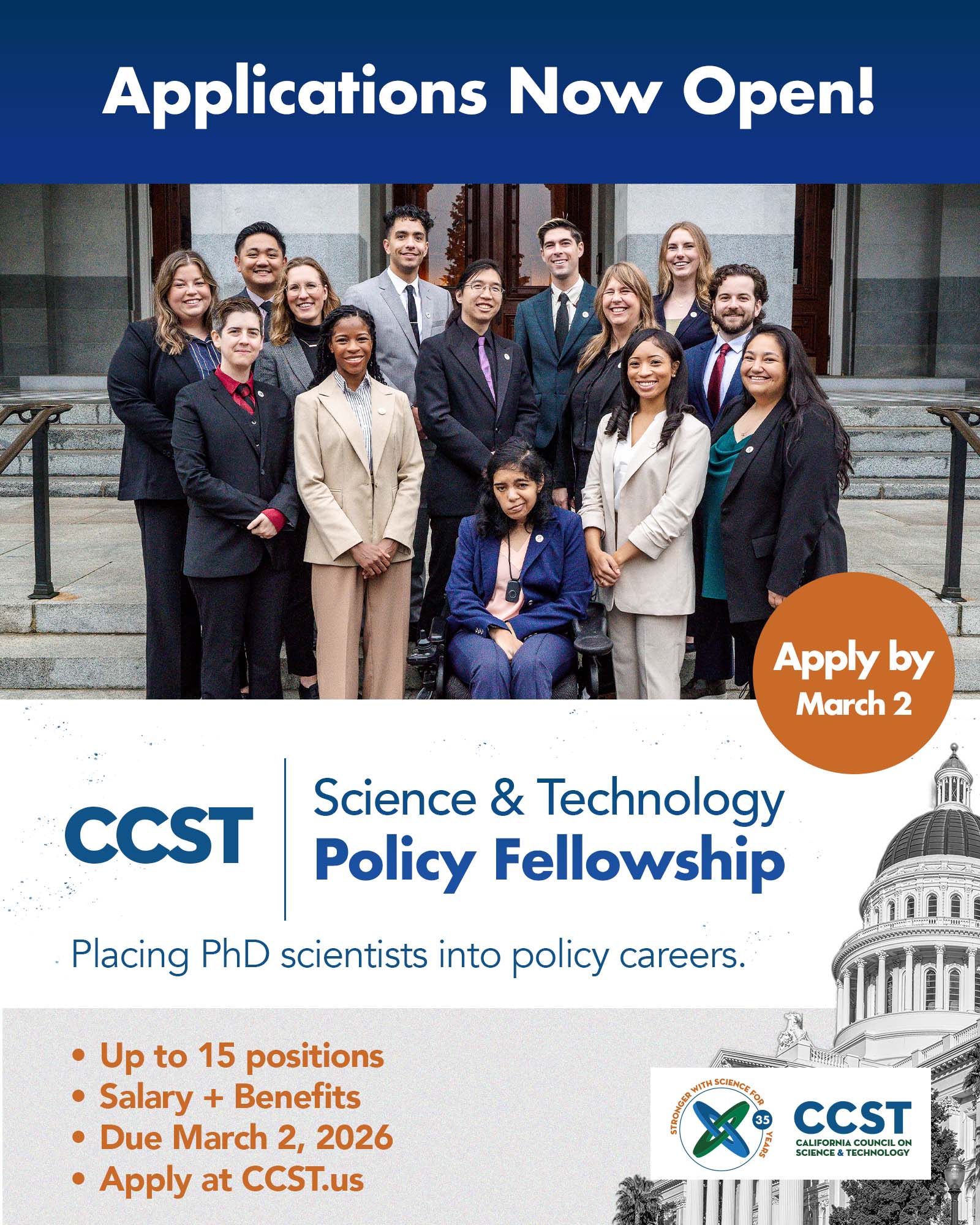
Start your science and technology policy career today, applications for the CCST Science & Technology Policy Fellowship are now open, due March 2nd. As Fellows, scientists, engineers, and social scientists spend one year in Sacramento, California, working as staff in the State Assembly, State Senate, a State Agency, or Offices of the Governor. Fellows get a front-row seat learning about the craft and process of policymaking in the State of California — a dynamic arena that often sets policy trends for the United States and the world.
Apply
Start your application and receive email reminders and guidance along the way. Create a new profile, or update your existing one, and get started in just a few clicks.
Update (2/19):
The application due date has been extended to Tues. March 10 11:59pm PT.
Register for the Application Webinar
Applying this year? In coming years? Watch for our Jan. 28 webinar at 12pm PT with Fellows and alumni to learn everything you need to know from application to post-Fellowship careers, “Your Path to Policy: The CCST Science & Technology Policy Fellowship”
The webinar includes:
- Presentation overview of the Fellowship
- Navigating the application and interview process
- The ins and outs of the fellowship
- Live Q&A with fellows alumni—bring your questions!
Register for the Jan. 28 Webinar
💬 Share this opportunity, shape the Fellowship.
According to alumni, word of mouth is the #1 way applicants learn about the Fellowship, so please help us by sharing this opportunity with your network.
Resources to share:
Help us find the next CCST S&T Policy Fellow.
Share our announcement with your networks and colleagues:
📝 Important Details
Timeline & Location
- Applications Due: March 10, 2026, 11:59 pm PST (Note: Extended from March 2)
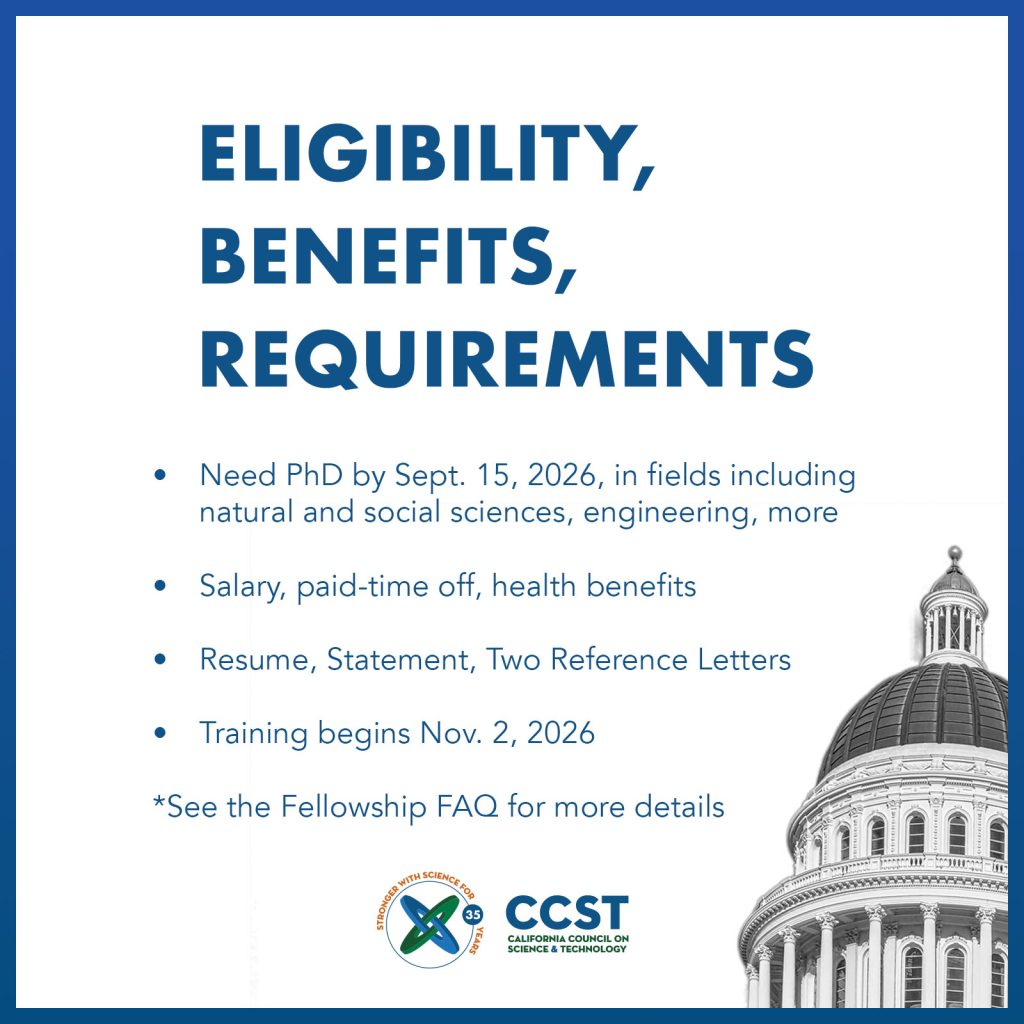
- Training Begins: Nov. 2, 2026
- In-Person, Sacramento, California
Apply:
- Bookmark the link and get started today: https://webportalapp.com/sp/ccst
Eligibility
- PhD in science, social science, or engineering field* by Sept. 15, 2026
- US citizen or suitable work eligibility status (See FAQ for details.)
Compensation
- Salary ($70,304)
- Paid-time off
- Health, dental, & vision benefits
- Reimbursements for professional development + Relocation
Application Materials
- Resume/CV
- Statement of Purpose
- Two Letters of Recommendation
Career Paths
- Fellows work in a variety of careers following the Fellowship in state and federal government, at nonprofit institutions, academic institutions, federal laboratories, and more.
- Work during the Fellowship can relate directly to a Fellow’s PhD, or serve as an opportunity to jump into completely new topics of interest.
Learn More:
- Register for our informational webinar presentation and Q&A with alumni.
- Read the Fellowship FAQ.
Questions?
Email Science Fellows Program Manager [email protected]
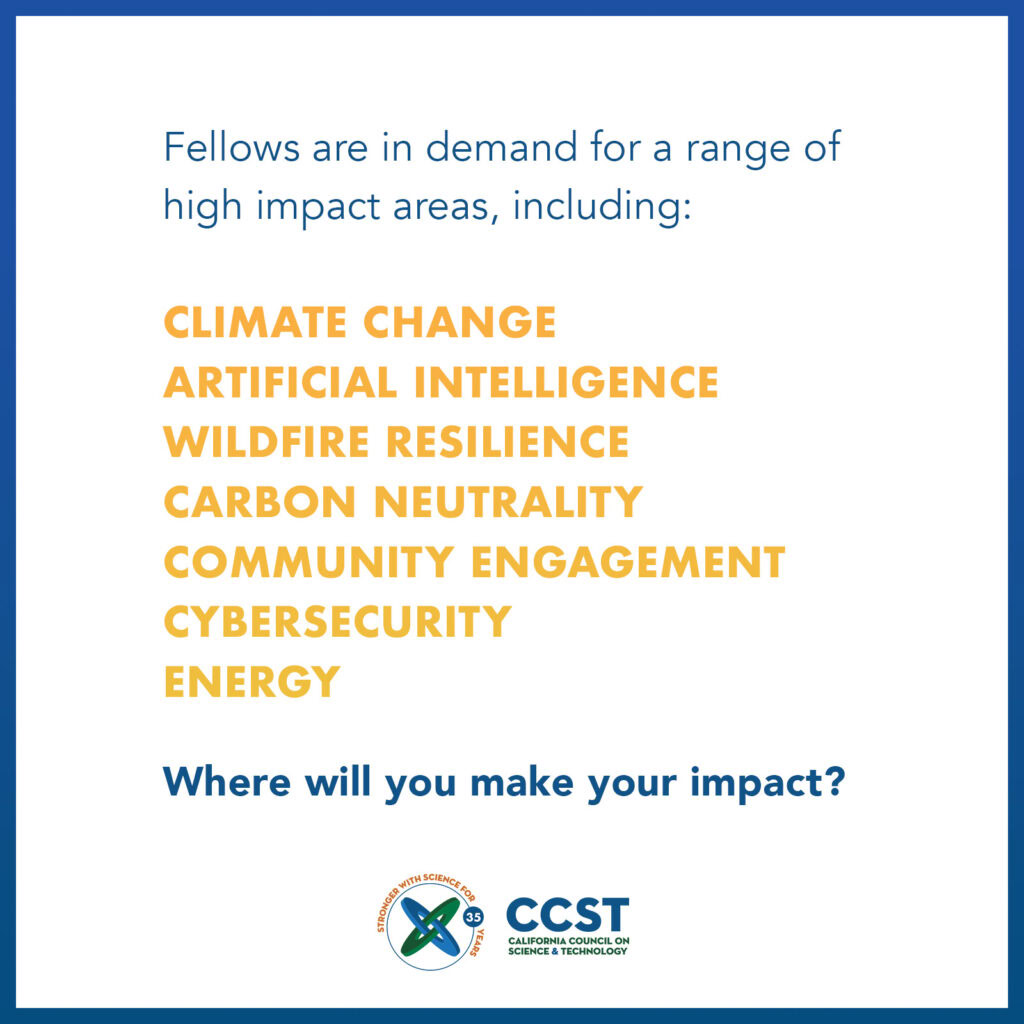

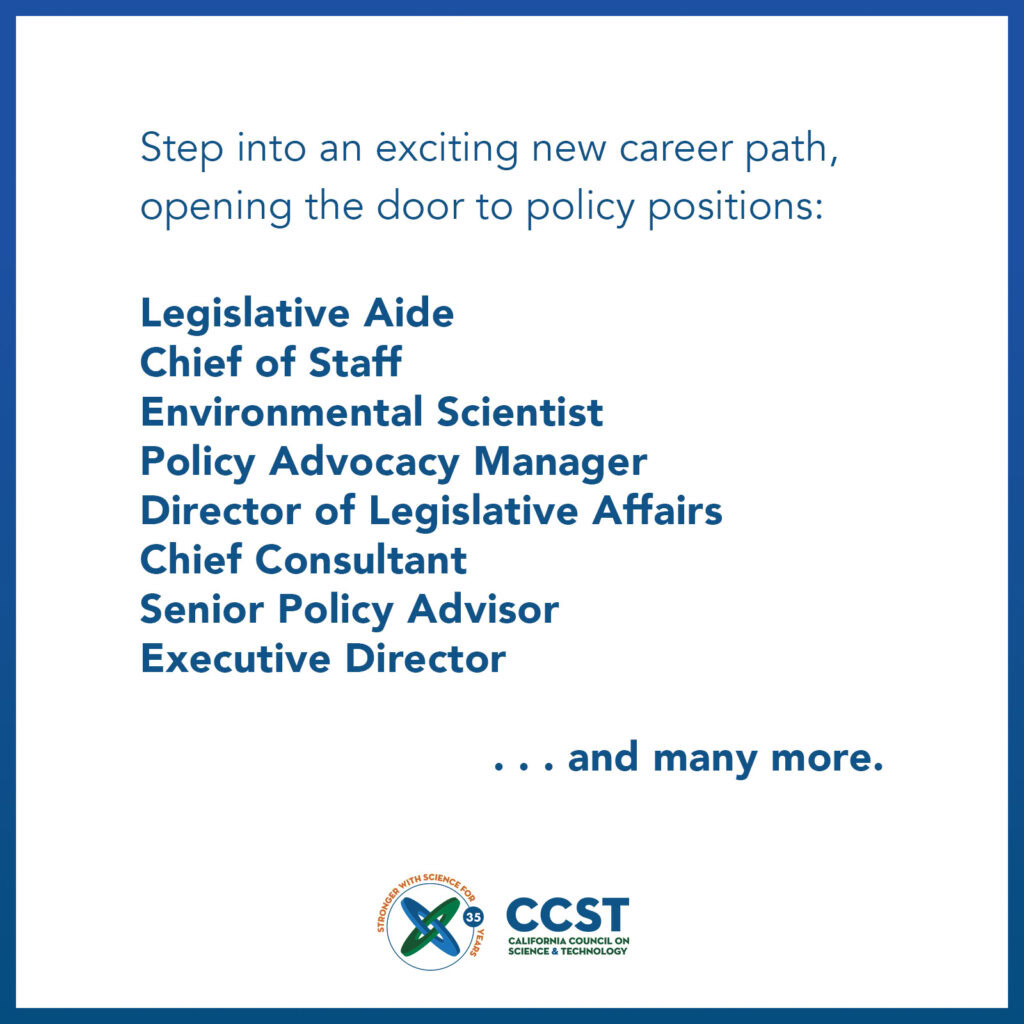
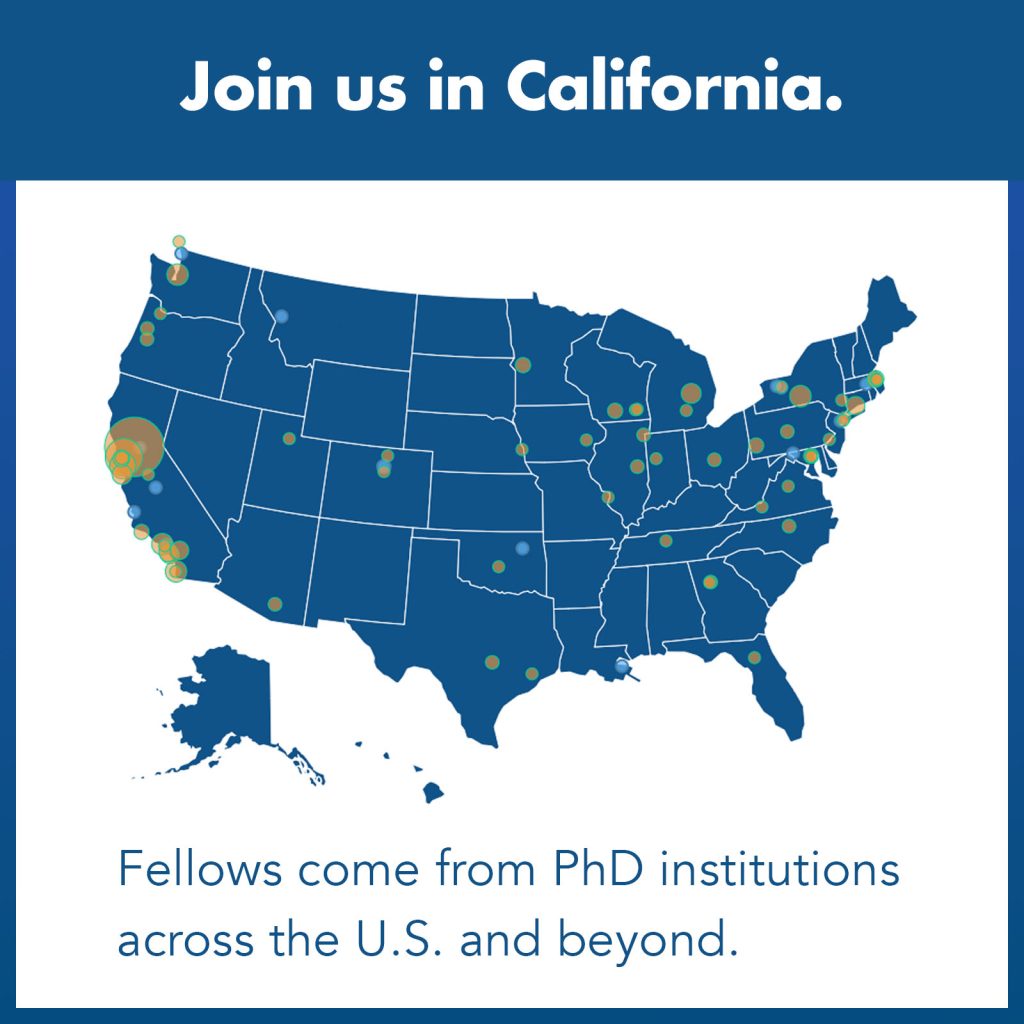
###
About the CCST Science & Technology Policy Fellowship
The CCST Science & Technology Policy Fellows program places PhD-level scientists, engineers, and social scientists in the California State Legislature, State Agencies, and Offices of the Governor for a year of public policy, leadership training, and public service—training scientific thinkers to be policy-savvy, while helping equip California’s decision makers with science-savvy staff.