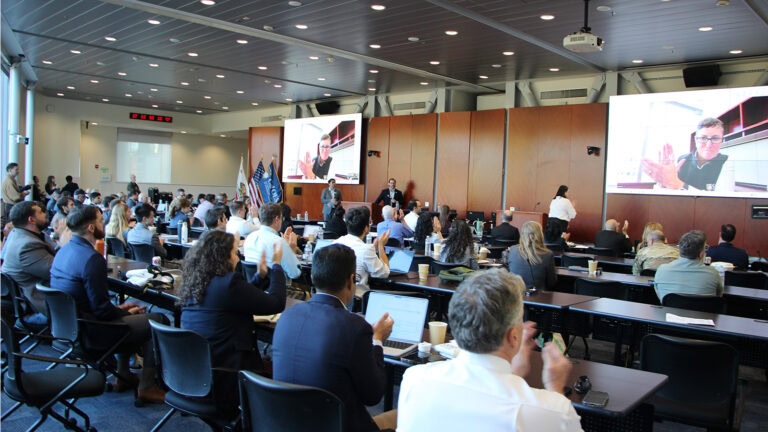
CCST and Cal OES Co-Host the California AI Defense & Response Summit
A Leap into California Policy: Reflections on moving cross-country for the opportunity of a lifetime
November 10, 2026 | CCST Newsroom, CCST S&T Policy Fellows
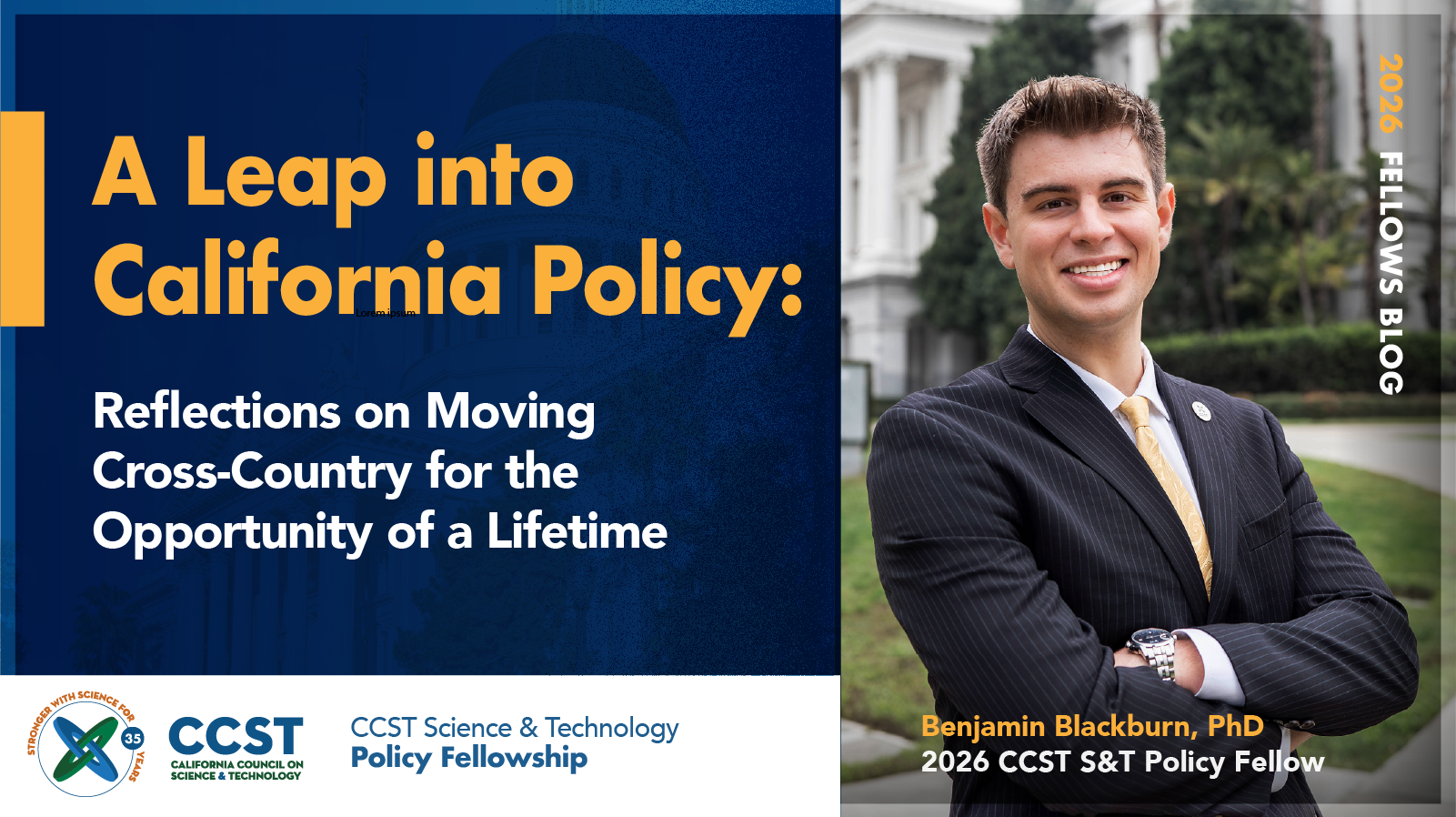
By: Benjamin T. Blackburn, CCST Science & Technology Policy Fellow, Department of Toxic Substances Control.
Science and politics have always been equally captivating areas to me, and I have tried to stay at the intersection of both. Science and Technology Fellowships, like the CCST program, offer scientific researchers the rare opportunity to apply their analytical expertise towards advancing policy that directly shapes people’s lives. Being accepted to CCST’s program felt like the opportunity of a lifetime.
Although I was uncertain about moving across the country to a new state and making a career pivot out of academic research, I had high expectations for California and working in a state government that sets the tone for national policy. This was specifically true in areas I cared about most, like supporting scientific research, renewable energy, and environmental protection. Now with my CCST fellowship year almost complete, I can confidently say I am very satisfied with my decision and would encourage others without existing connections to California to apply to be a CCST fellow!
This year has been the most transformative experience of my life, and the skills learned during my fellowship year will be valuable no matter what career path I choose.
Being from Pennsylvania, a swing state always at the center of presidential elections, there was no avoiding involvement in politics. I took several political science and history based classes through high school and college along with my science courses. . Through my first few years of graduate school, I was set on pursuing science policy-related work once I completed my degree but did not have a tenable plan to get there. I was working on a Department of Defense funded grant and, as I got closer to my degree, I became increasingly interested in the internal workings of grant processes and how our findings could be incorporated to make meaningful policy change. When I began looking into Science and Technology Fellowships, a friend recommended I apply to the California Council on Science and Technology (CCST).
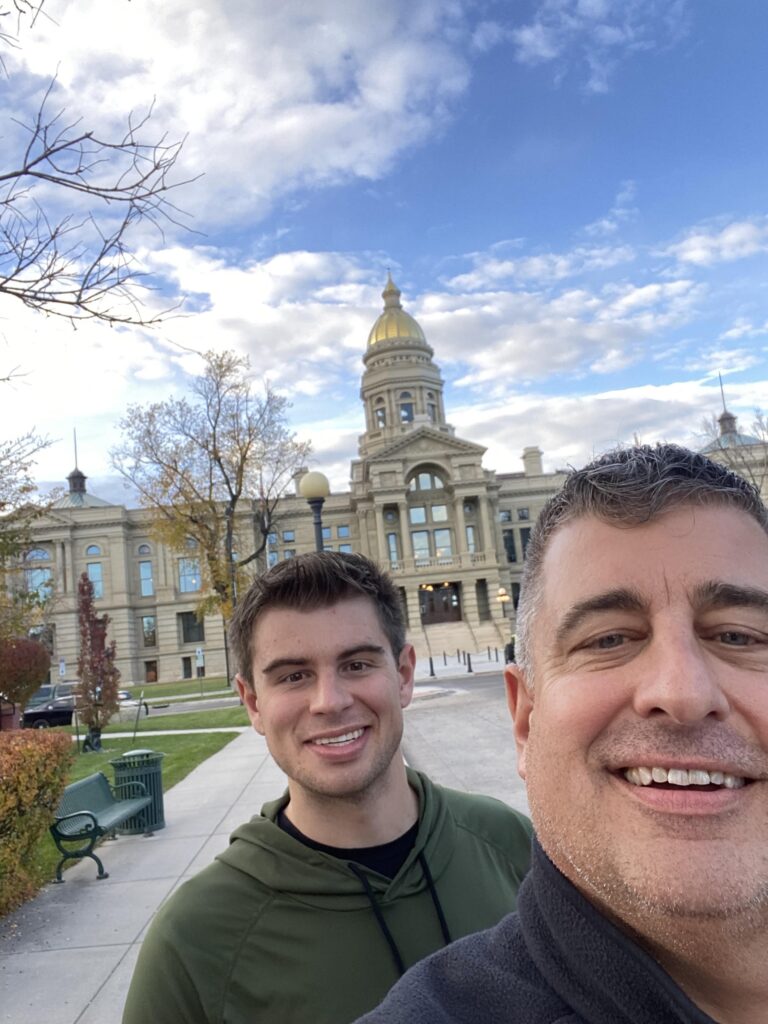
After graduating from Virginia Tech with my PhD in Chemistry at the start of the Fall 2025 semester, it was a quick turnaround to begin the CCST fellowship on November 1st. I packed up my belongings and embarked on the 2600+ mile drive from Blacksburg, Virginia, to Sacramento. Driving across the country was an awesome experience as I took in new states, local foods, and notable landmarks. I arrived in Sacramento at the end of October 2025 and almost immediately began CCST fellowship training.
This training provided background on the basics of policy-related work and a general overview of California politics – both subjects I had minimal formal experience in. My biggest takeaway from training was learning how diverse California is in comparison to other states, in terms of geography, population densities, major industries, and resource needs, and the hefty role of the State Government in putting forward cohesive governance for all residents. Additionally, it was very interesting to see how several pieces of legislation in California are the first of their kind and set precedent for the rest of the country. At the end of two months of training and placement interviews, I felt as though I was adequately prepared and eager to begin my placement.
For my fellowship year, I was placed in the Office of Legislative Affairs in the Department of Toxic Substances Control (DTSC), a welcoming and exciting placement where I was able to incorporate skills from my chemistry background into my policy work. I analyzed legislation, responded to inquiries from external partners, and assessed the fiscal impacts of bills. My portfolio for this legislative session contained bills pertaining to all three DTSC core programs: Safer Consumer Products, Site Remediation and Mitigation, and Hazardous Waste Management. Working across the three core programs has given me a comprehensive view of what a State Agency does and has allowed me to interact with a wide variety of State Workers in different roles. The Office of Legislative Affairs engages with external partners, like members of the legislature and proponents/opponents to a bill. This has provided me with the unique perspective of seeing how a bill actively changes from the start to finish of a legislative session.
Coming out of the fellowship, I feel confident in my legislative analysis skills and understanding of how state agencies implement policy.
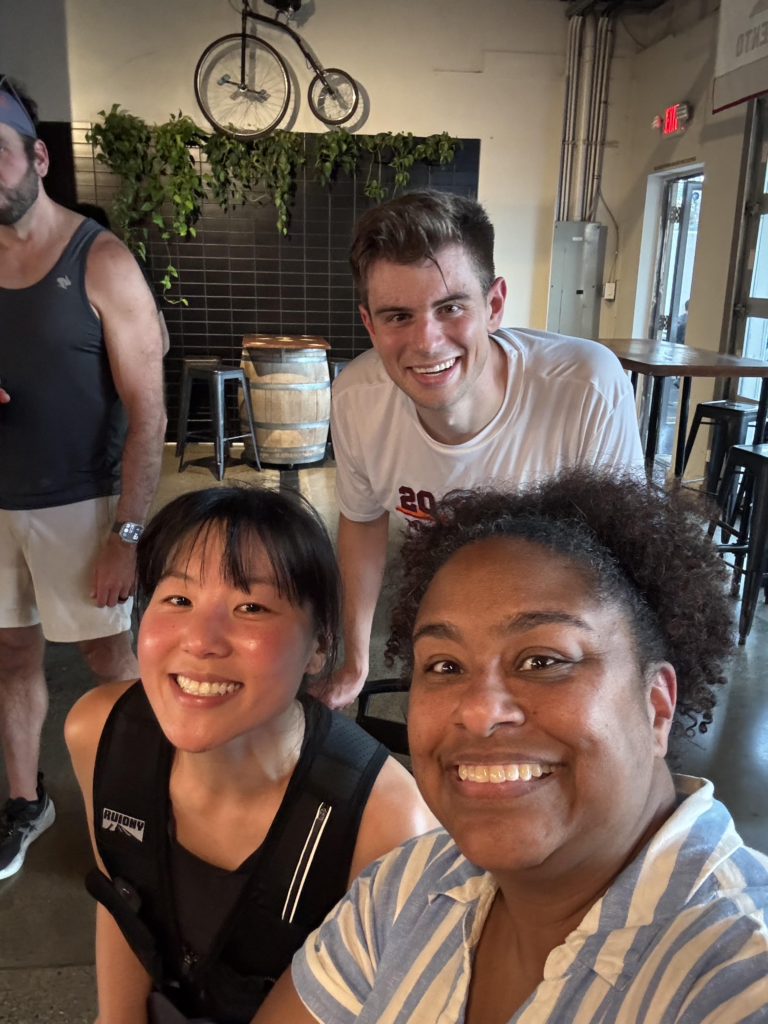
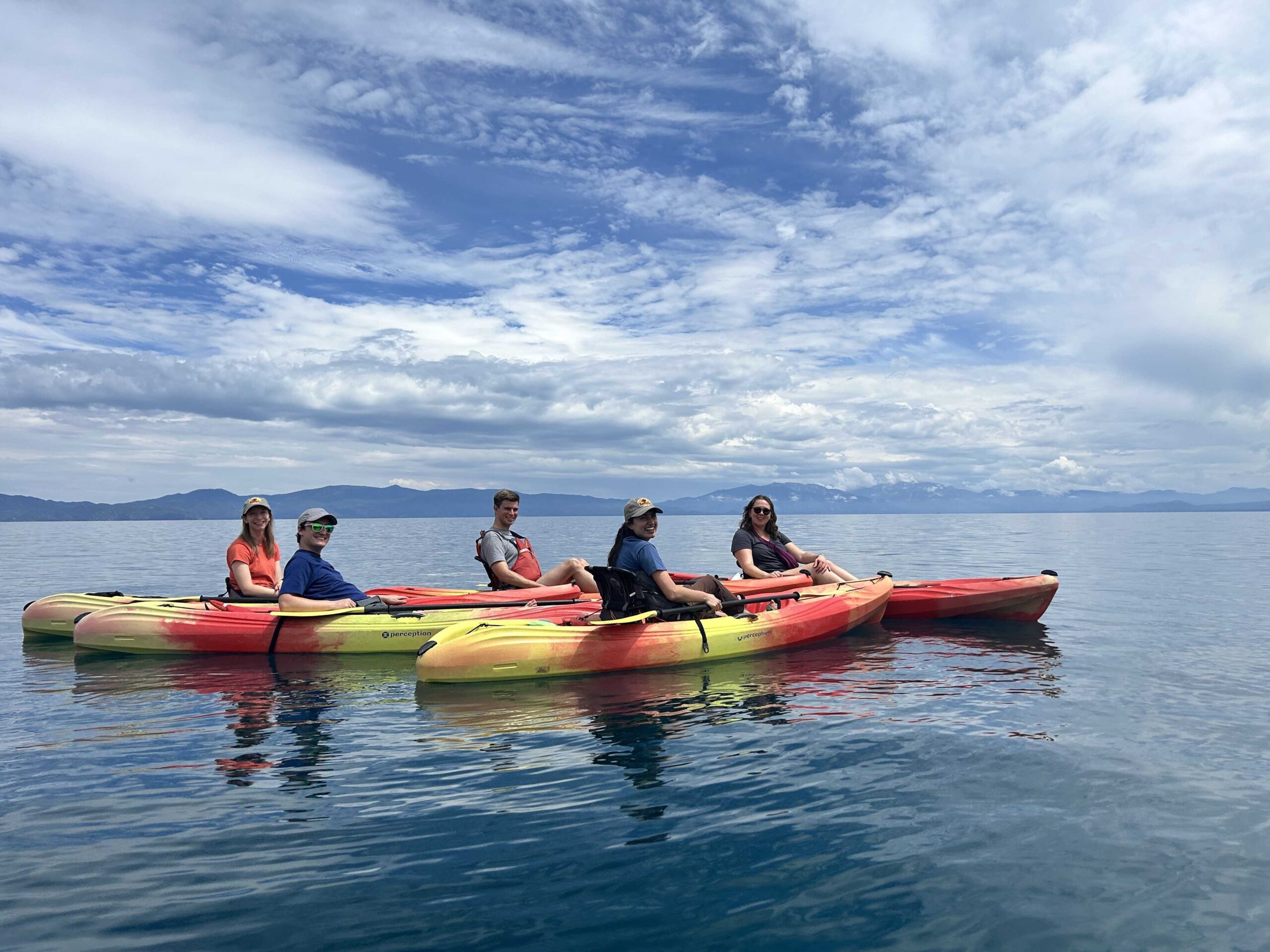
Throughout the fellowship year, CCST continued to further my understanding of science policy work in California. Our cohort had weekly Seminars on a wide variety of topics, including adjusting to our placement offices from academic work, networking and job searching advice, science policy-related programs in state agencies, and even an improv training course. In addition to seminars, CCST also hosted a professional development retreat for all fellows in Lake Tahoe. Taking place mid-fellowship, it was a great time to begin thinking about what comes next, from job applications and networking to long-term career planning – and also provided an opportunity to connect with members of my cohort.
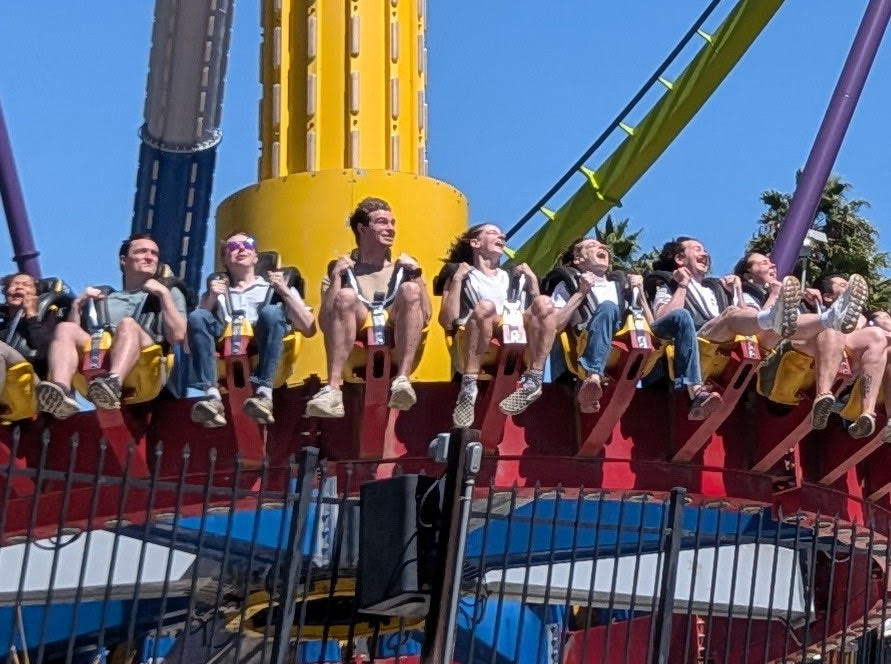
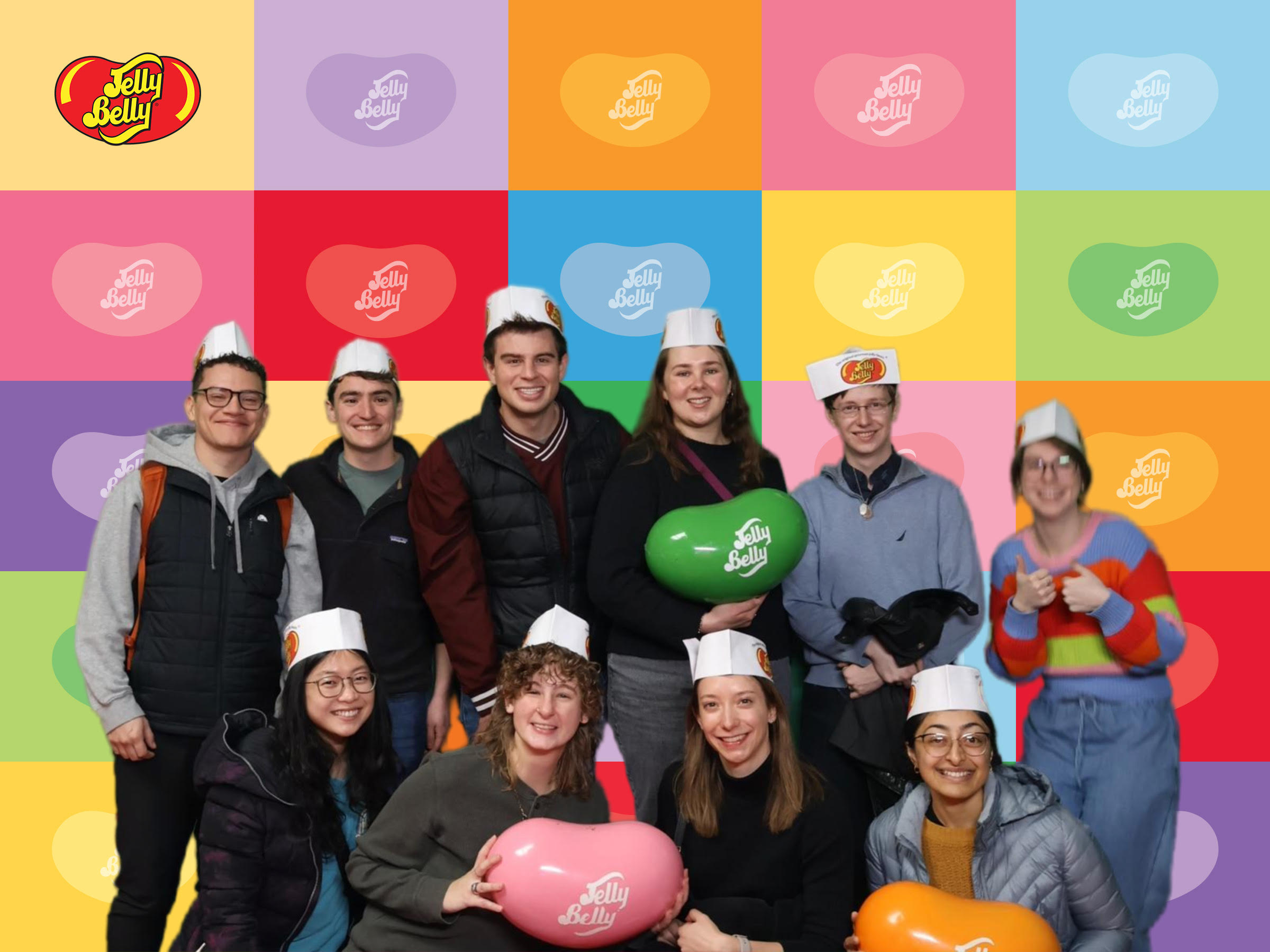
My favorite part of the fellowship by far has been the community I’ve found within my 2026 cohort and other CCST fellows alumni. I was rather nervous moving across the country to an area where I had no established network or support system, to begin a new line of work. I found a lot of comfort in knowing that other fellows in my cohort, as well as fellows in years past, have taken similar leaps of faith towards pursuing a career in science policy. Learning about my fellow cohort members’ research backgrounds and seeing how it shaped the different areas of policy that they were interested in was a very special experience. I’ve also had the pleasure of seeing new places in California with current CCST fellows and alumni, including fun activities with my cohort like touring the Jelly Belly factory, going to Monster Jam, visiting Six Flags, seeing live music at Sacramento’s Summer Concerts in the Park series, going on camping and hiking trips to National and State Parks, and – my favorite – seeing sea lions and elephant seals on the coast. I am very excited to continue expanding my network and exploring new places here in California.
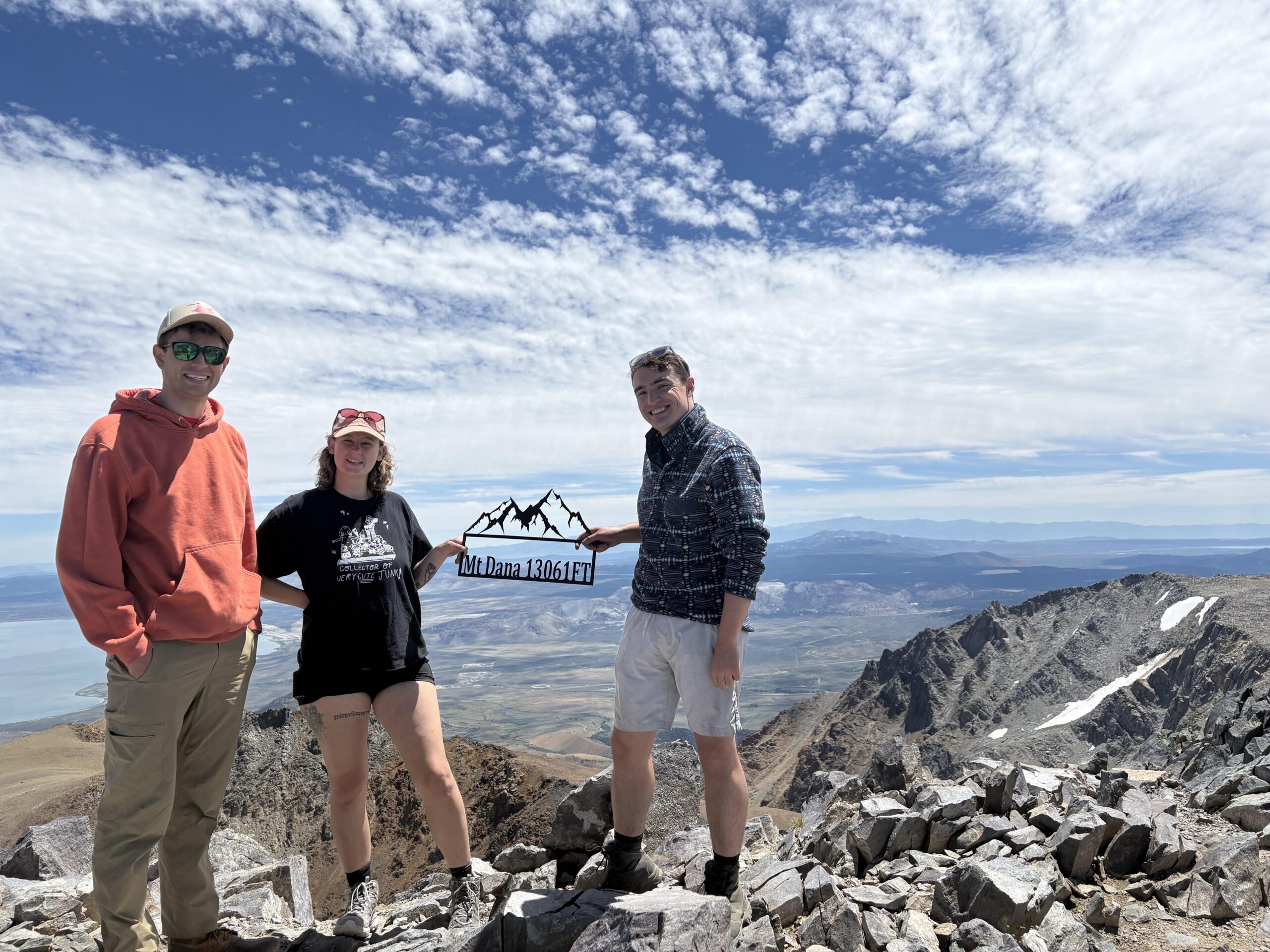
I intend to continue working in the science policy space within the California State Government once the fellowship is complete, specifically developing an expertise in the environmental protection space. With the experiential learning from my time as a CCST Fellow, I feel sufficiently prepared for my next professional chapter, and have been pleasantly surprised with the breadth of knowledge I now possess regarding California policy.
I would highly encourage others without existing connections to California to apply to be a CCST fellow. At the start of the year, I was uncertain about the big moves both geographically and in career trajectory, but ultimately, I would not have done anything differently. This year has been the most transformative experience of my life, and the skills learned during my fellowship year will be valuable no matter what career path I choose.
I look forward to further incorporating my scientific background into advancing policy and seeing the CCST fellows program continue to grow its impact!
About the CCST Science & Technology Policy Fellowship
The CCST Science & Technology Policy Fellows program places PhD-level scientists, engineers, and social scientists in the California State Legislature, State Agencies, and Offices of the Governor for a year of public policy, leadership training, and public service—training scientific thinkers to be policy-savvy, while helping equip California’s decision makers with science-savvy staff. Discover how CCST S&T Policy Fellows make a difference in California’s policy arena and learn how to apply at CCST.us/CCST-Science-Fellows-Program.