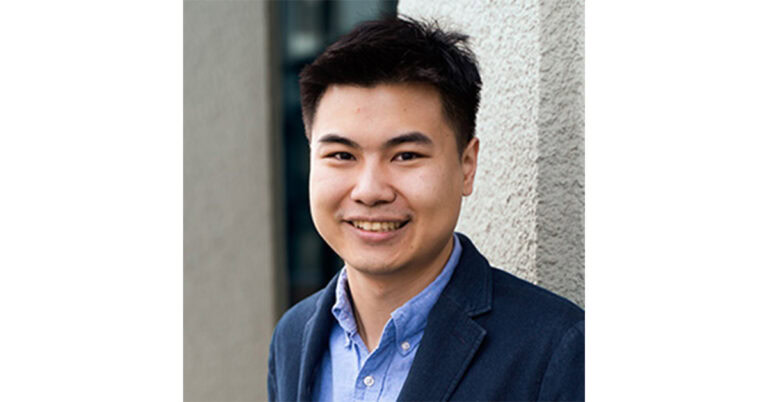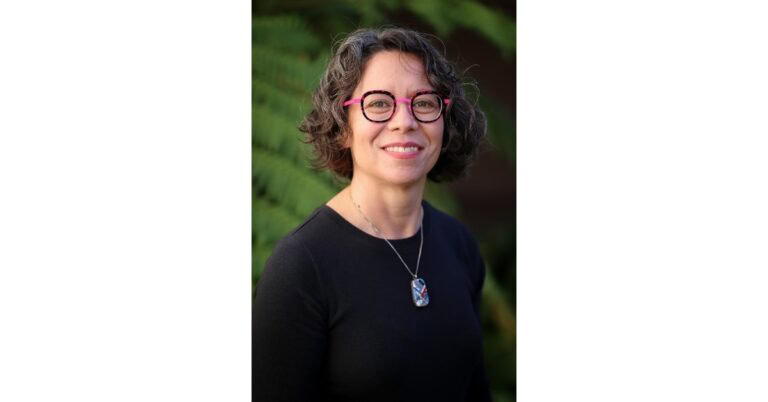
CCST Welcomes UC Santa Barbara’s Rachel Segalman, PhD, to Board of Directors
From Science to Action: Researchers and State Leaders Build Lasting Partnerships at Science Day 2026
October 16, 2026 | CCST Newsroom, CCST S&T Policy Fellows, Events, Photo Gallery, Press Releases
Message from CCST’s CEO
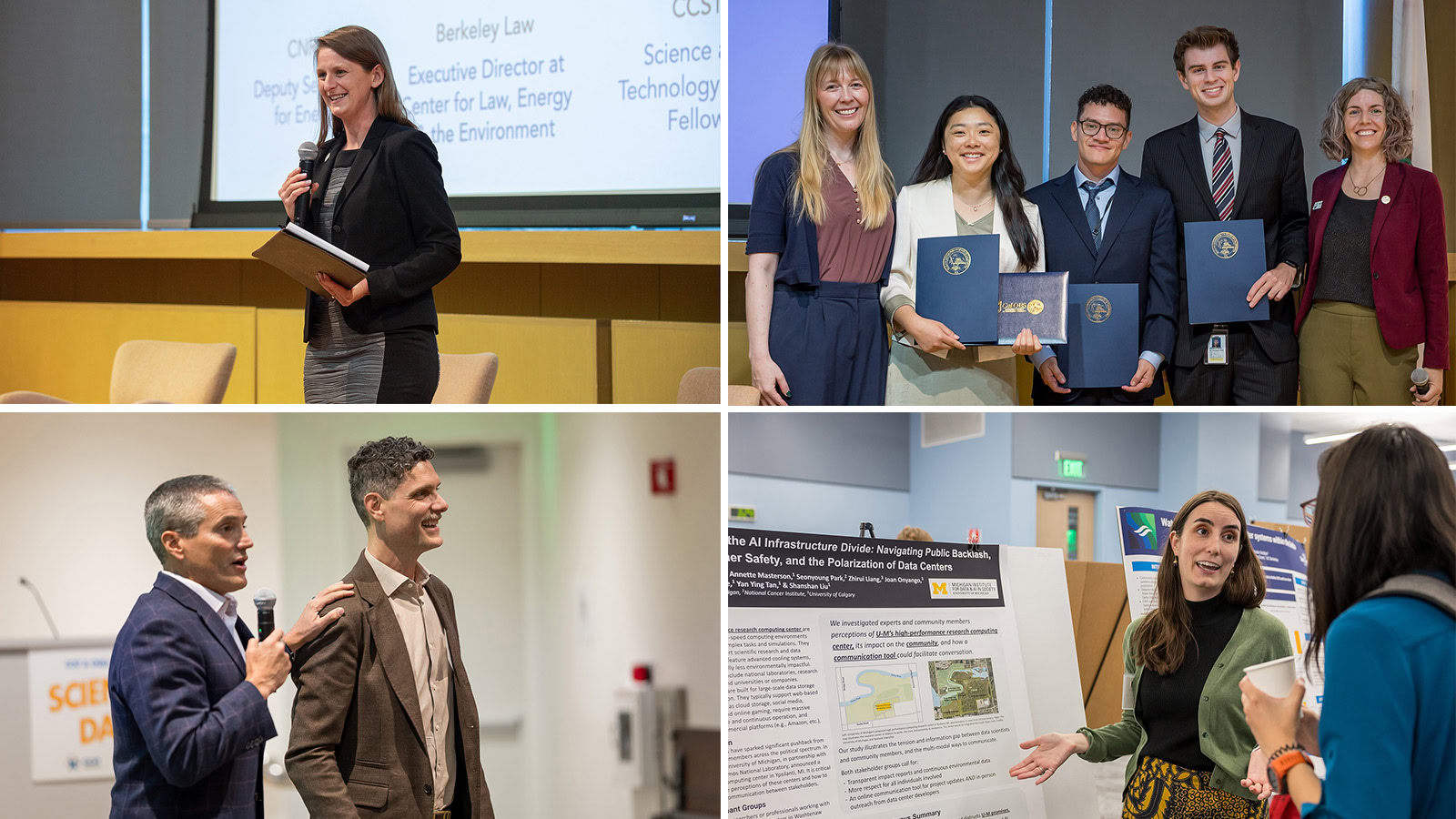
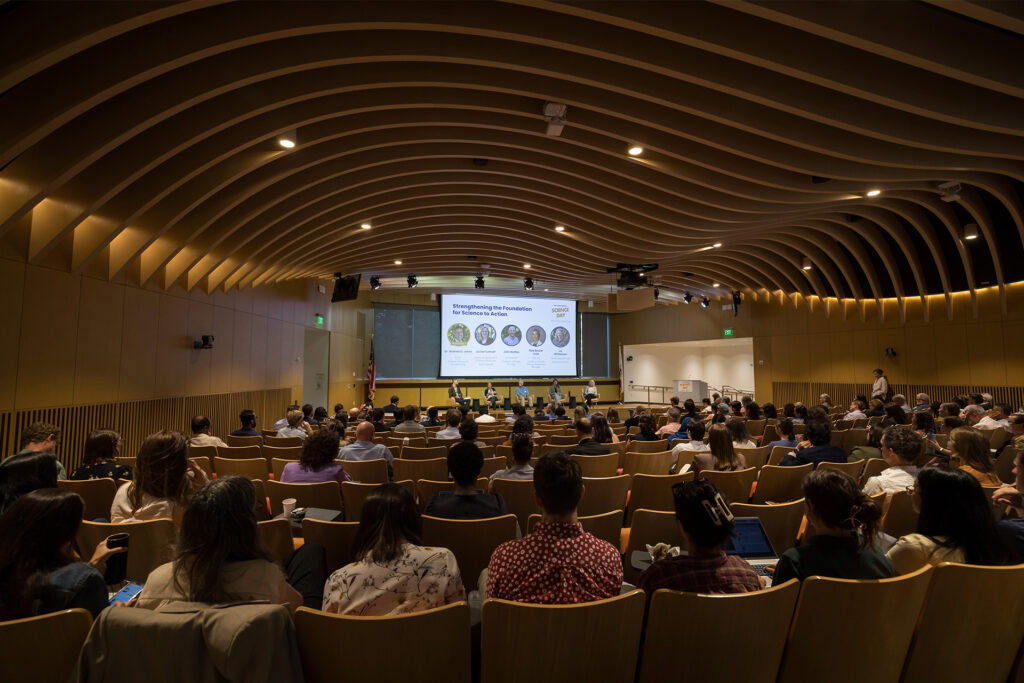
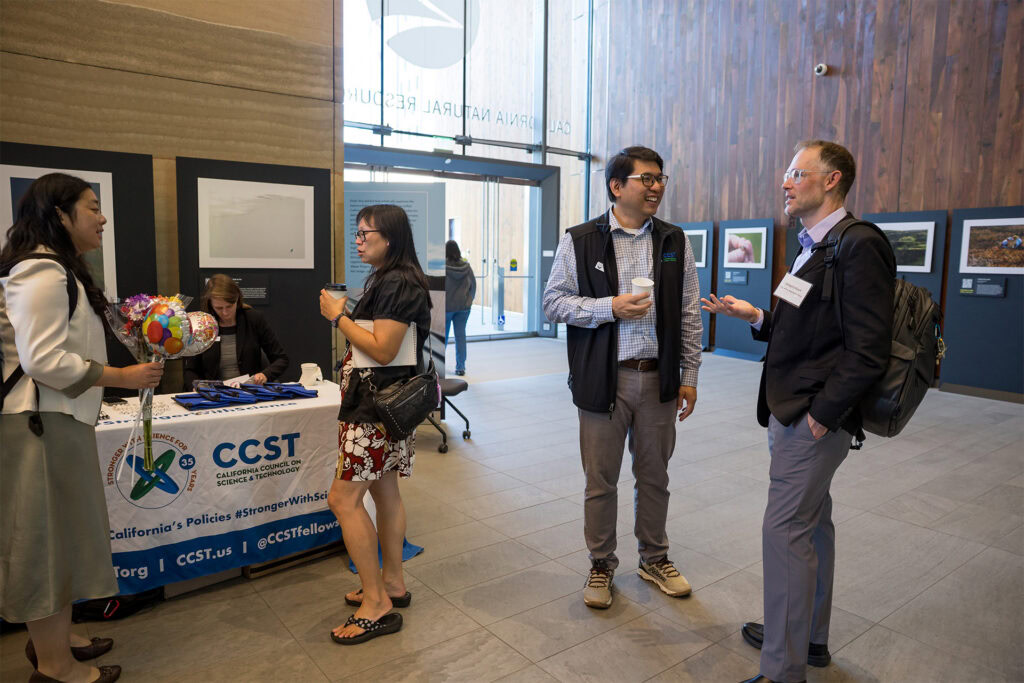
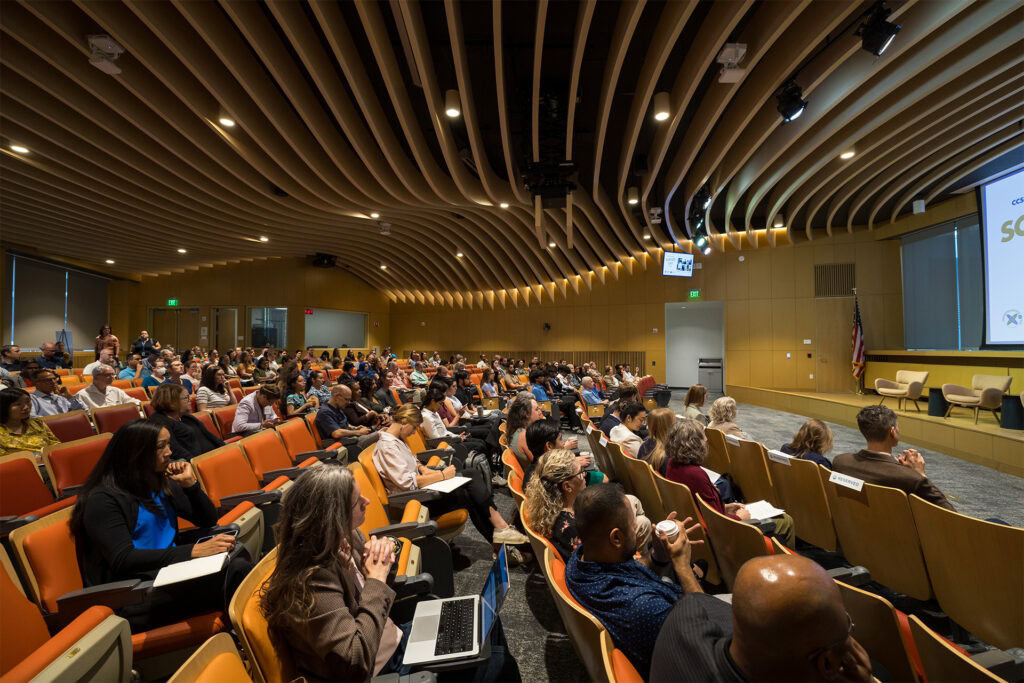
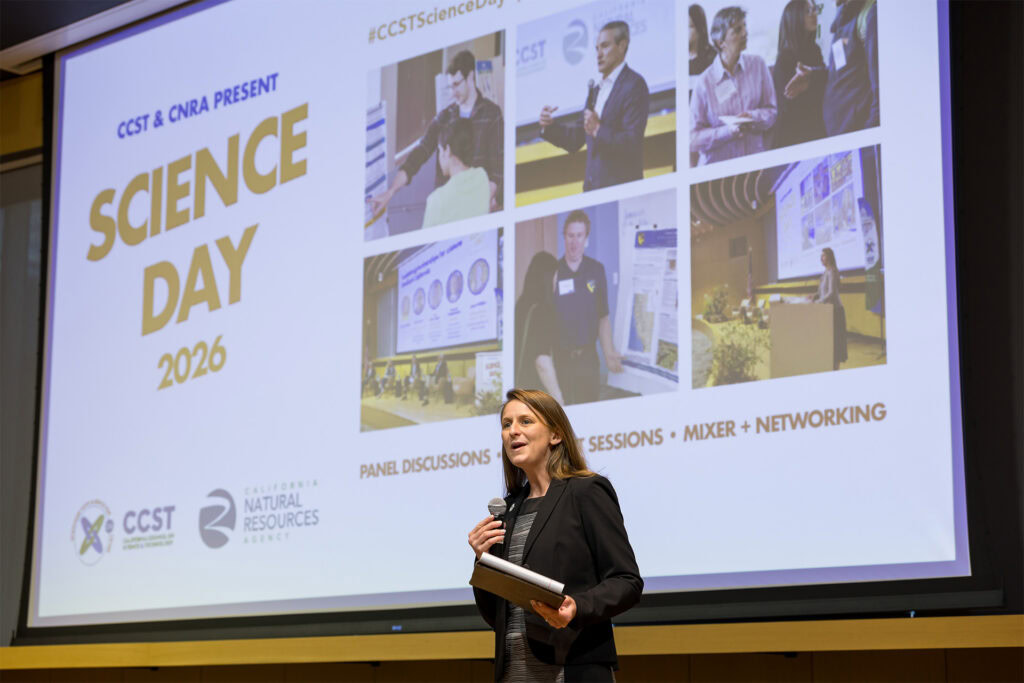
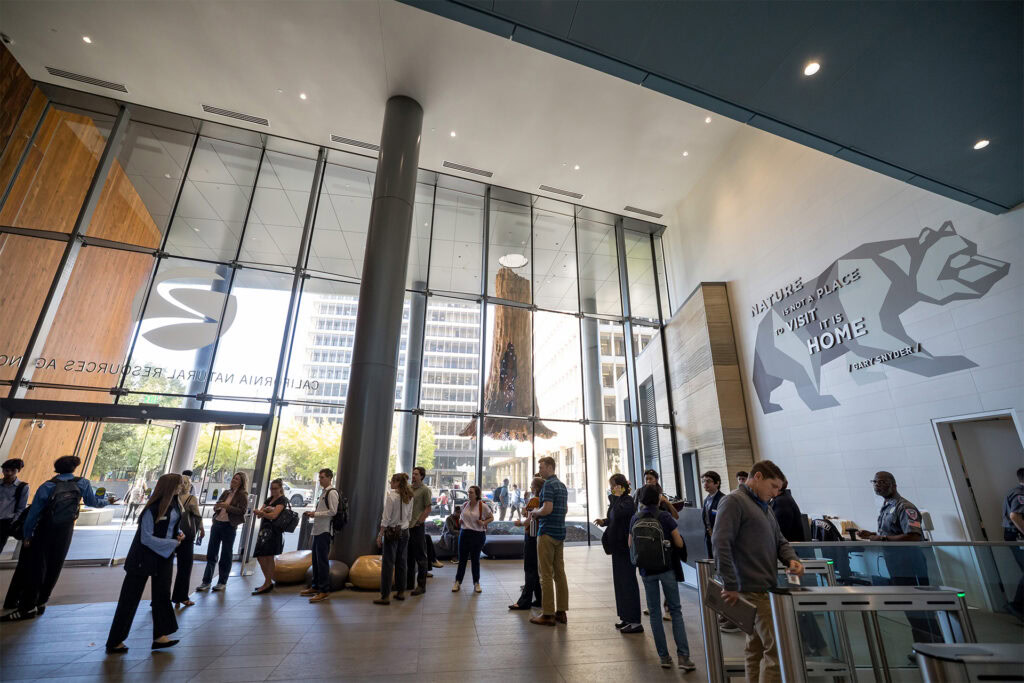
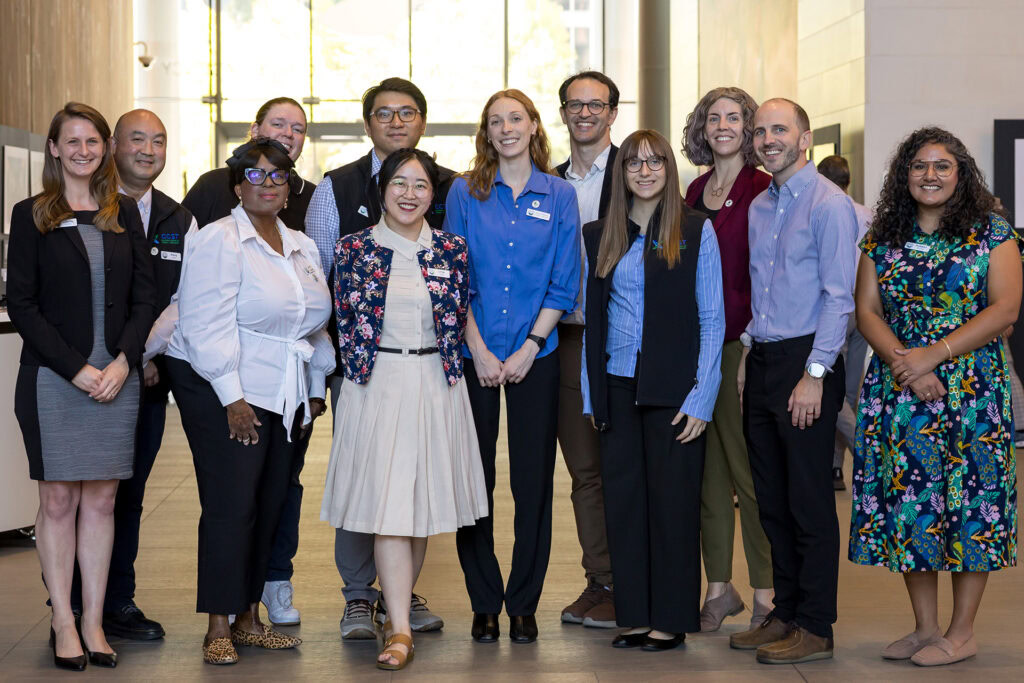
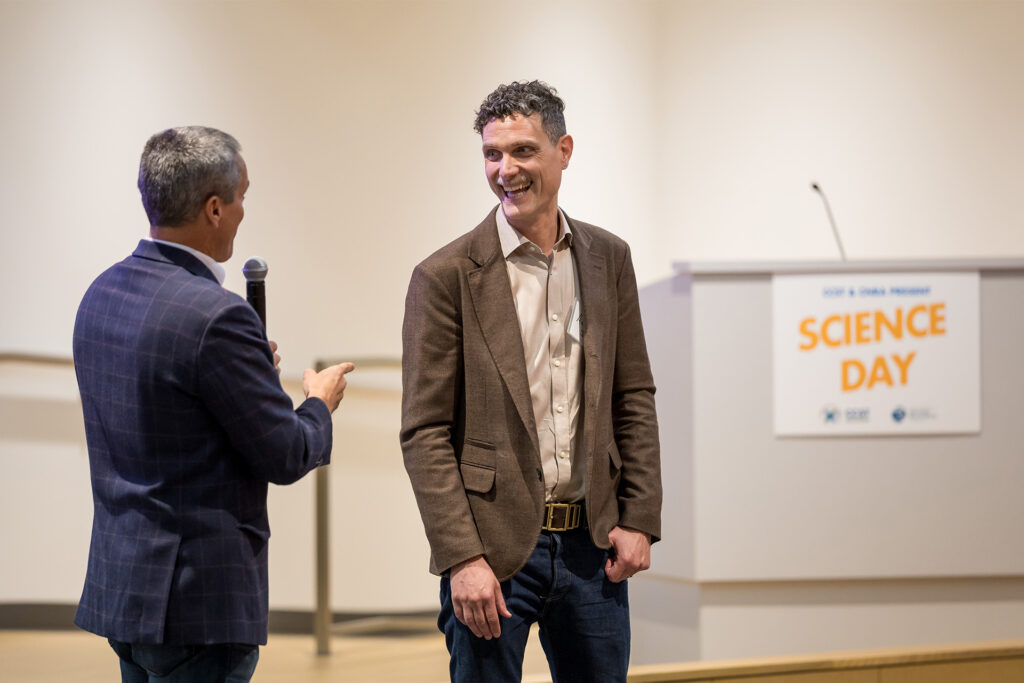
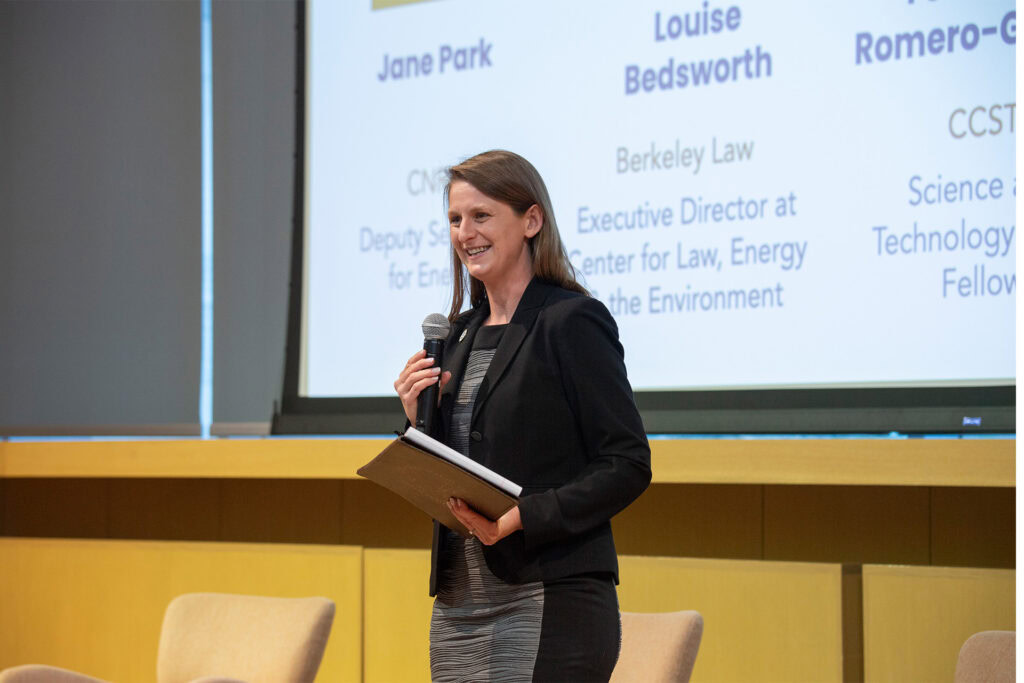
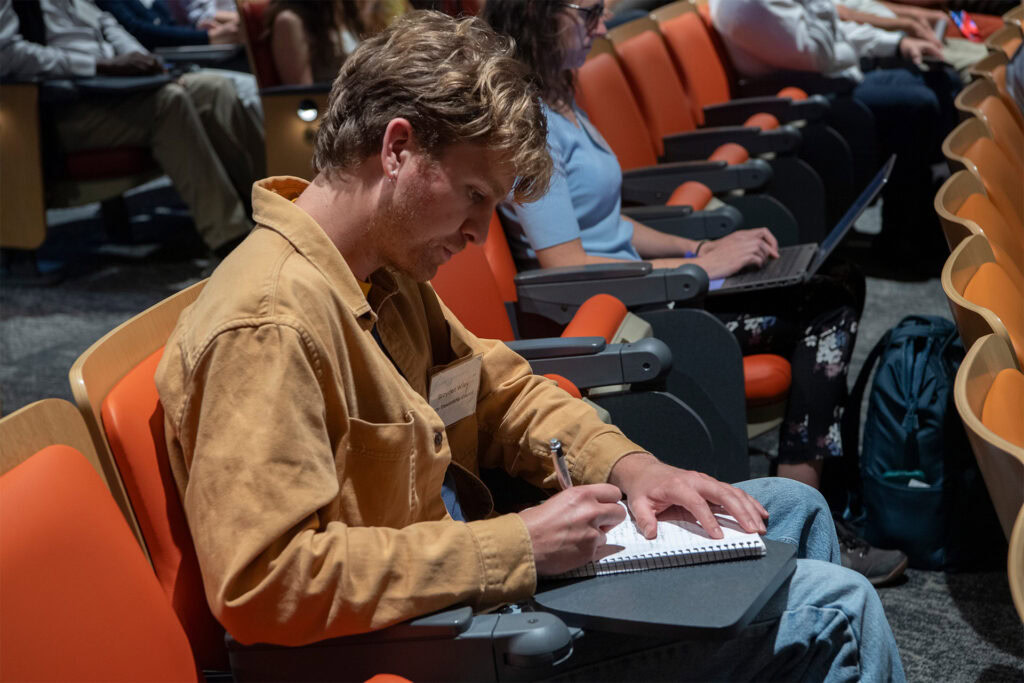
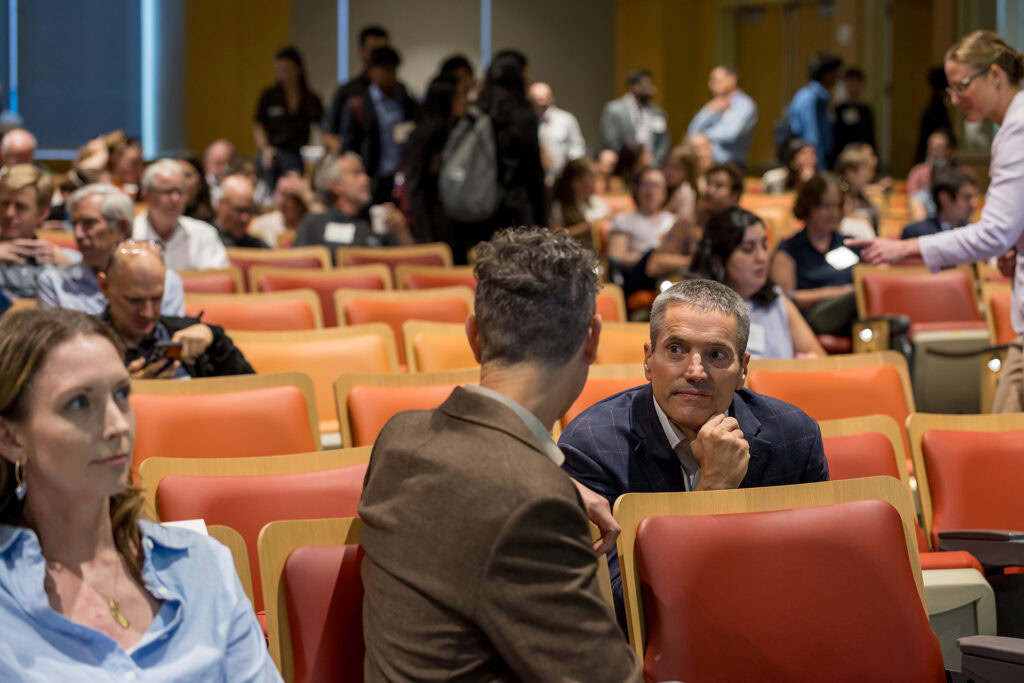
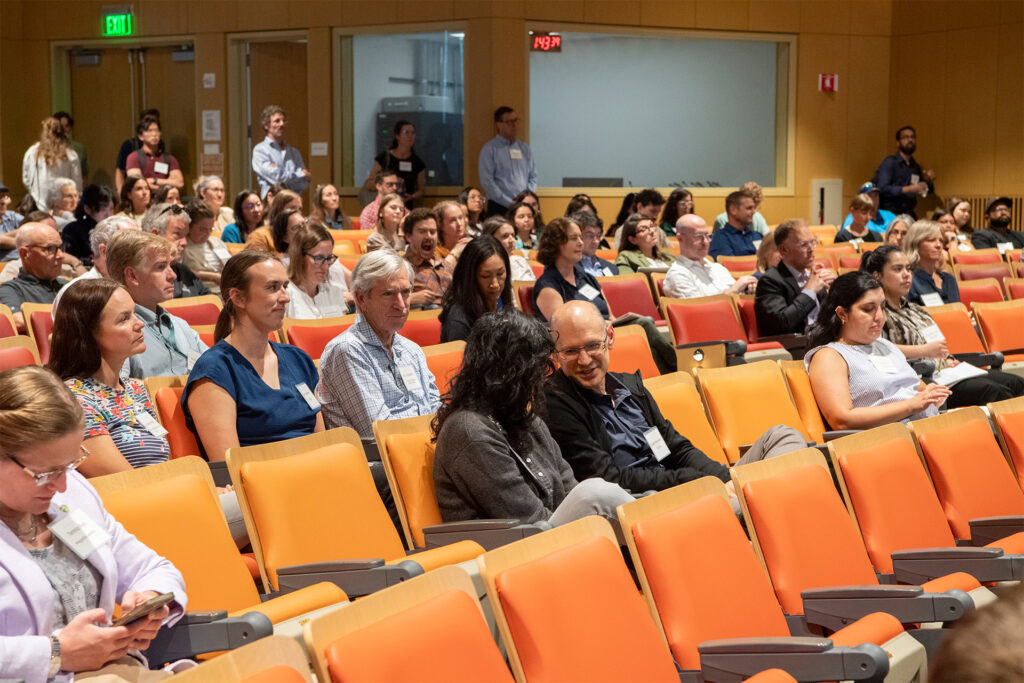
On October 5–6, we hosted our 4th annual Science Day with the California Natural Resources Agency (CNRA), expanded this year to two days. Sincere thanks to the 300+ participants who joined us at CNRA Headquarters for rich discussions, collaborative learning, and fruitful connection. As keynote panelist Liz Whiteman emphasized, at a time when inboxes are full, workloads are heavy, and technology continues to shift the way we work and relate, showing up at in-person events like this one is more essential than ever.
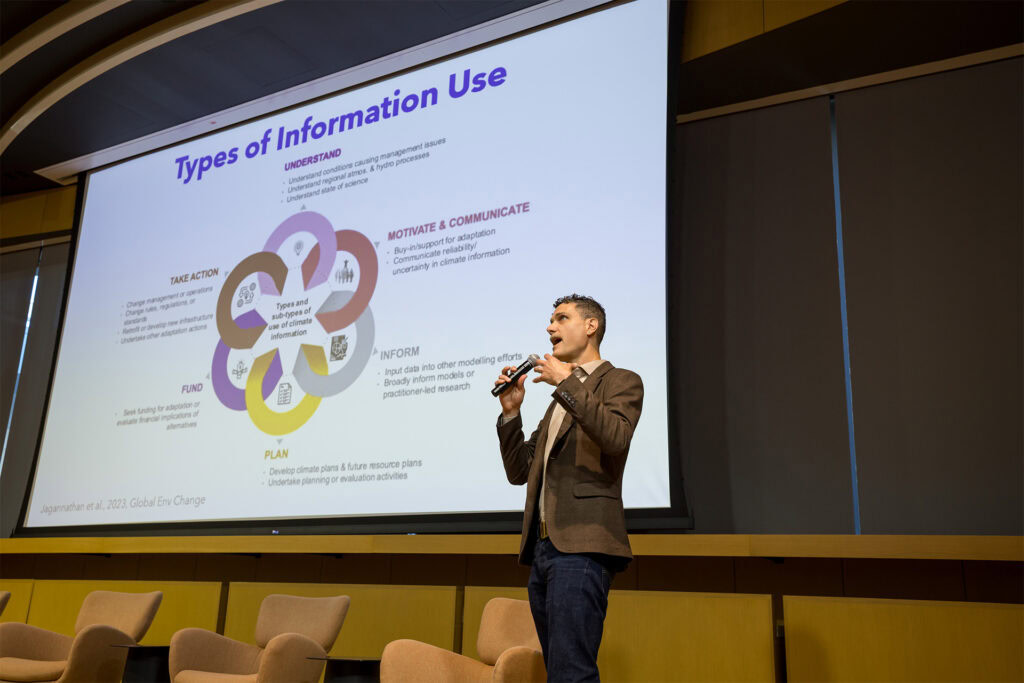
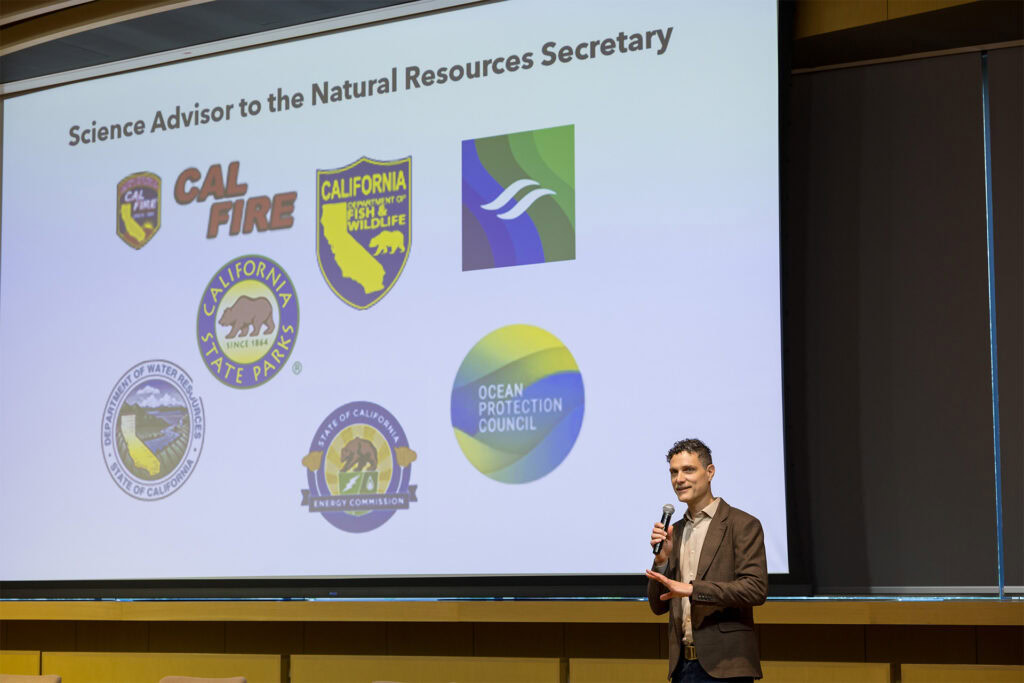
The energy and leadership that drive the translation of research into policy was apparent throughout the event: in the keynote discussion on what makes science-policy partnerships effective and replicable; in breakout sessions on best available science, data-driven decision support, and landscapes managed for multiple benefits; in the career panel on pathways into public service science; and in the plenary on partnerships between Tribal knowledge and Western science, grounded in respect for Tribal sovereignty. More than 60 poster presenters and our Science Translators Showcase reminded us how much exceptional research is happening across California’s institutions, and how ready early-career scientists are to bring it to bear on the state’s challenges.
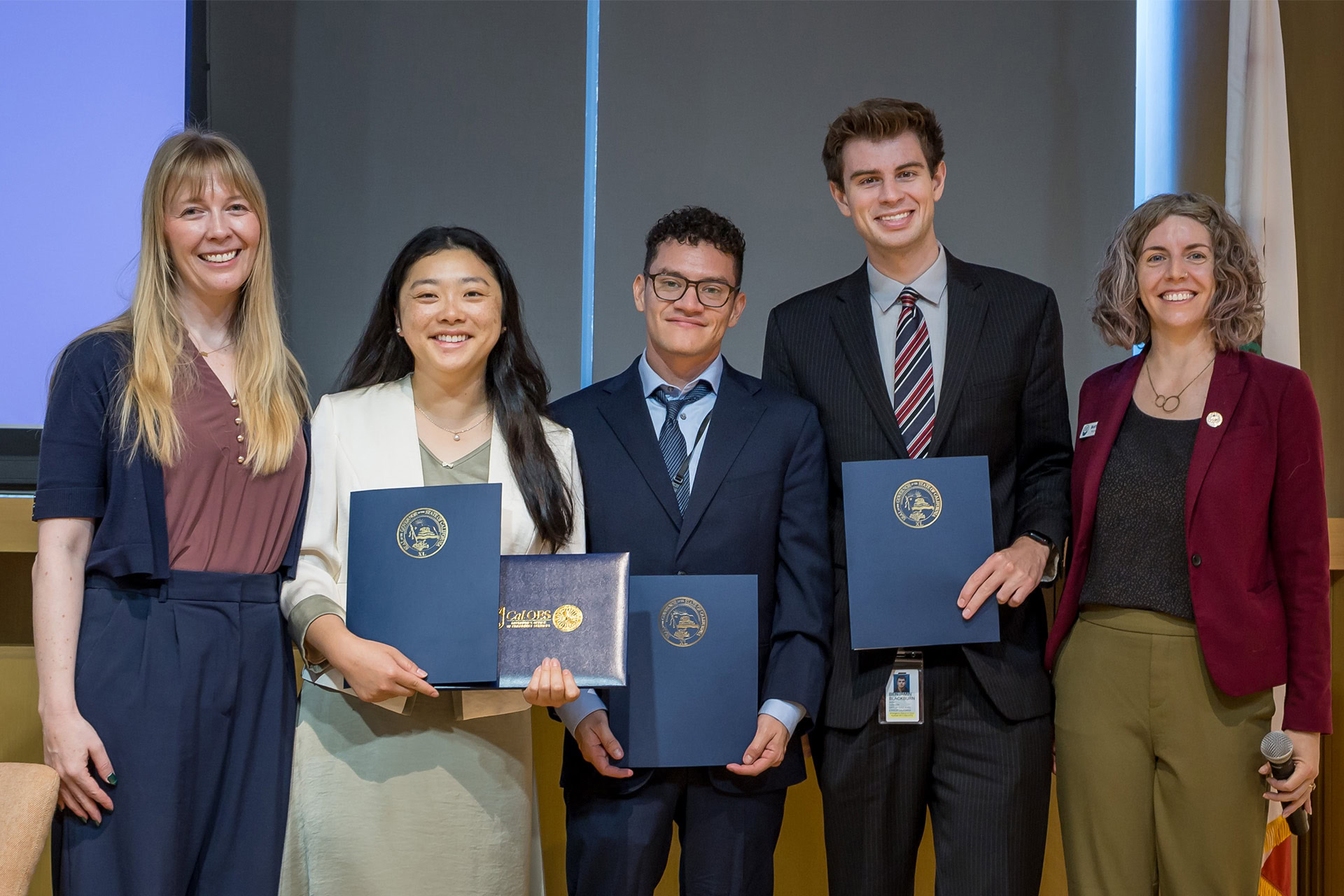
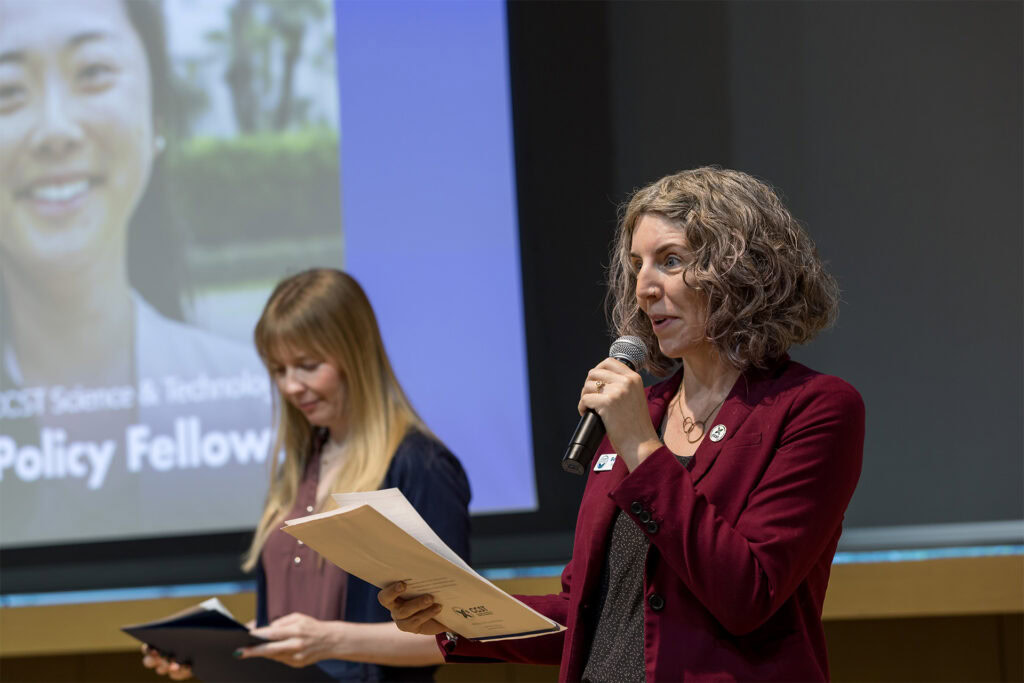
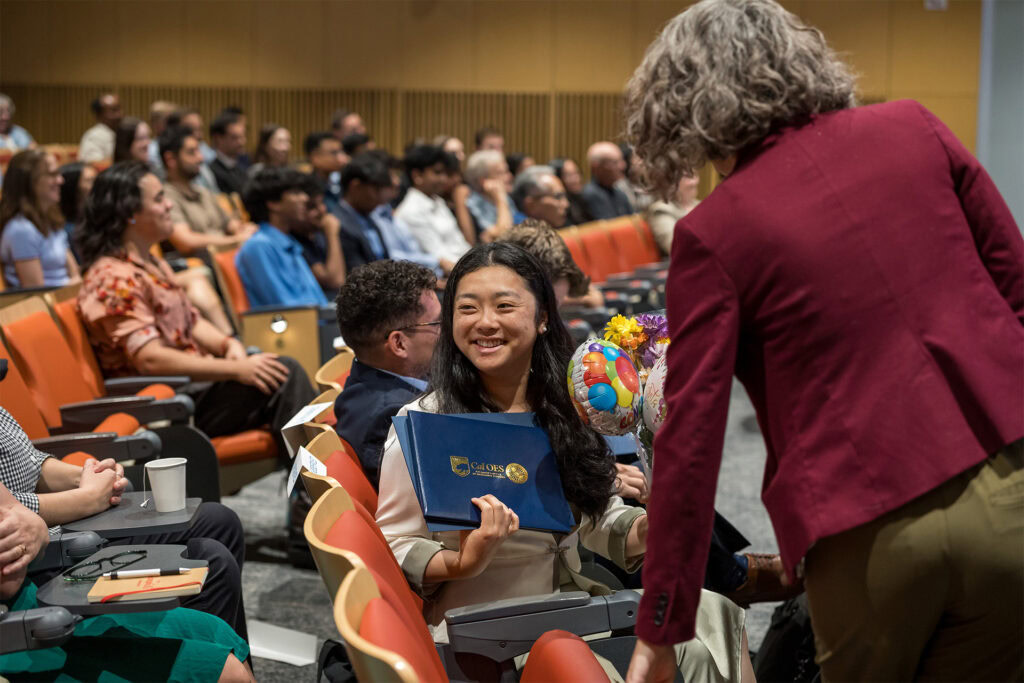
We also celebrated our 2026 CCST Science & Technology Policy Fellows in the Executive Branch, whose year of service is a living example of science in action.
California’s scientific enterprise is one of its greatest assets. Its impact depends on the partnerships we build and the people we bring into this work. Thank you for being part of it. I hope you’ll stay connected with CCST and our partners as we continue turning science into action for a more resilient California.
Julianne McCall
CEO, California Council on Science and Technology
For full res photos, contact [email protected].
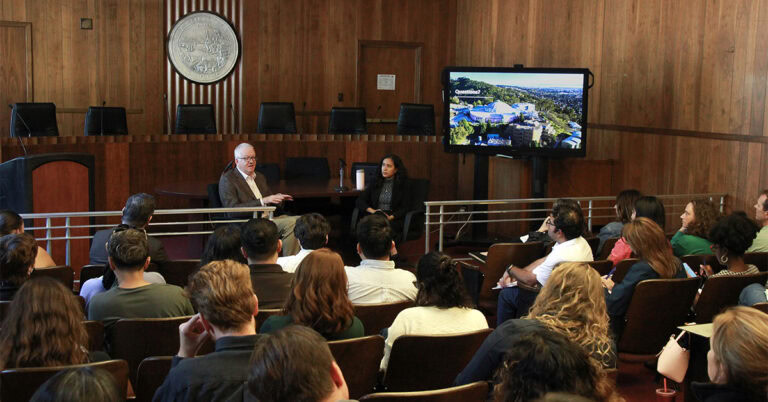
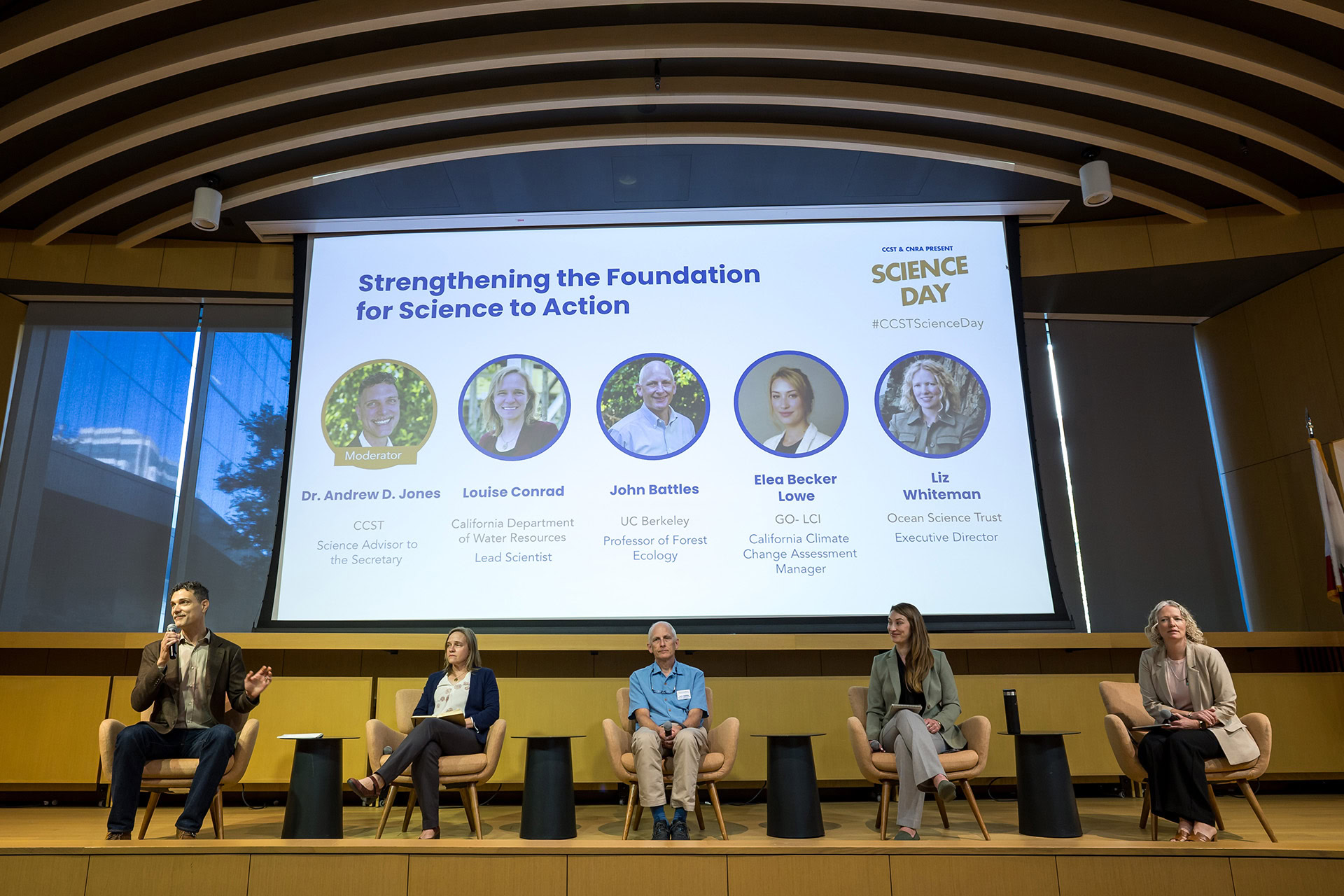
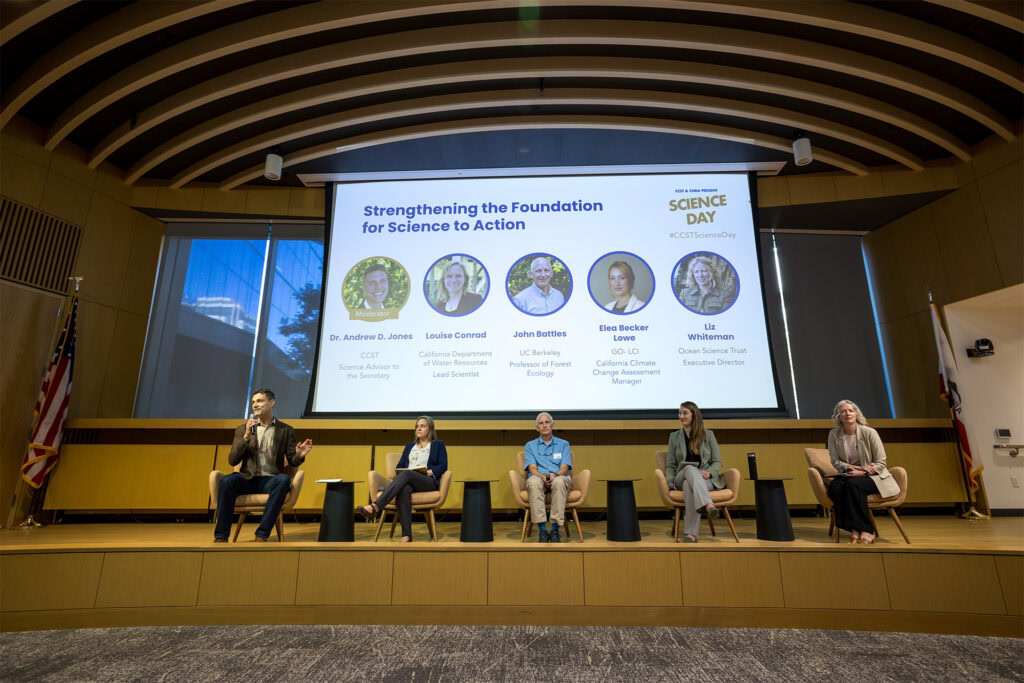
Keynote Panel: Strengthening the Foundation for Science to Action
Overview
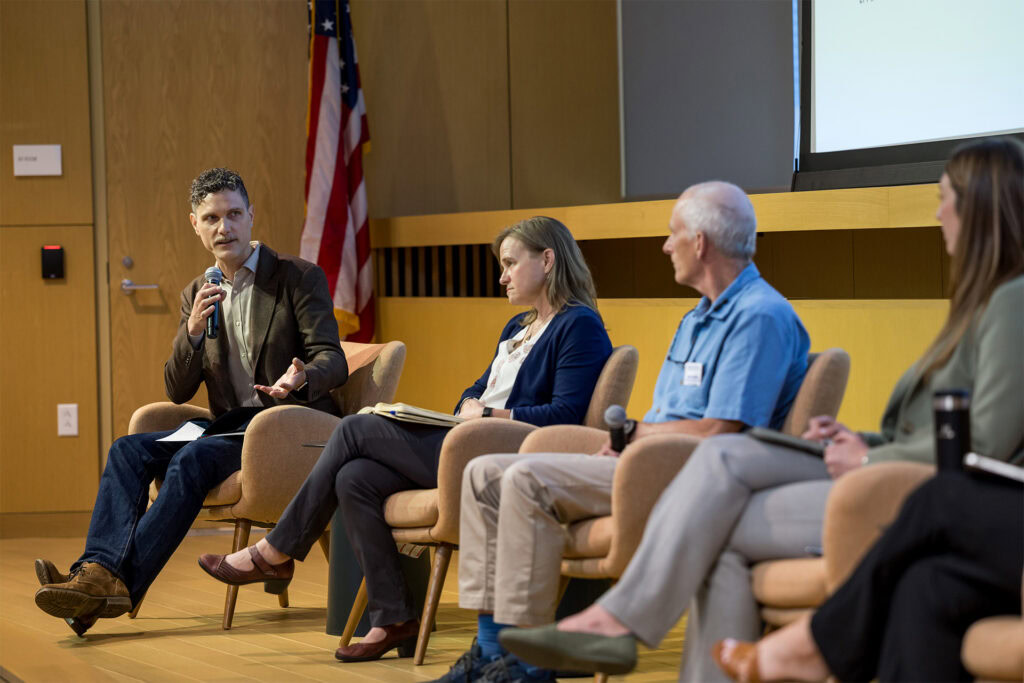
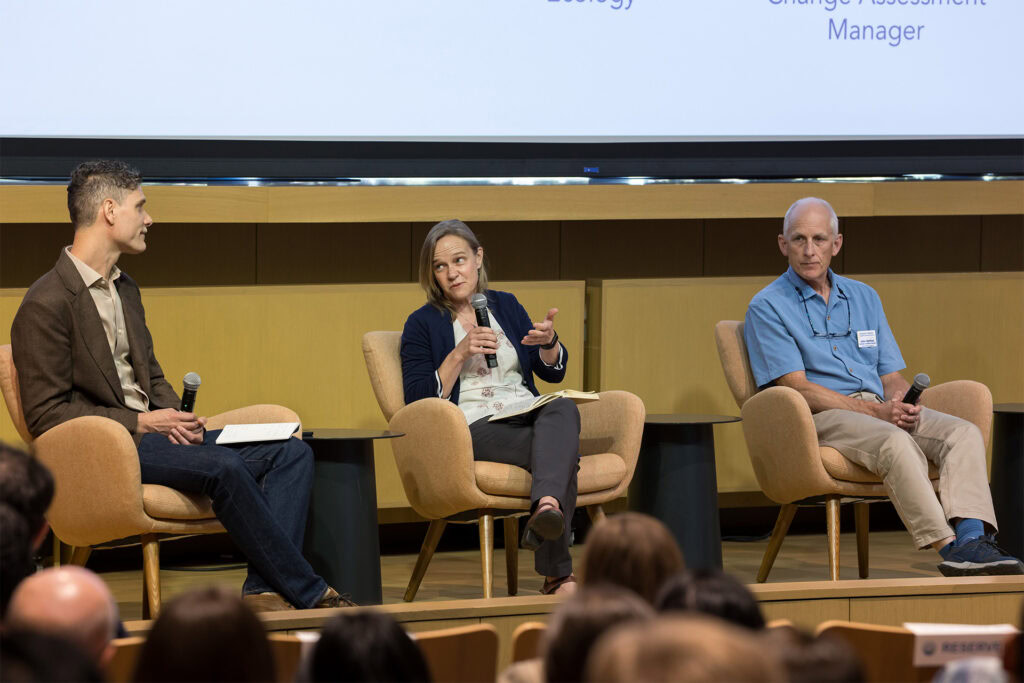
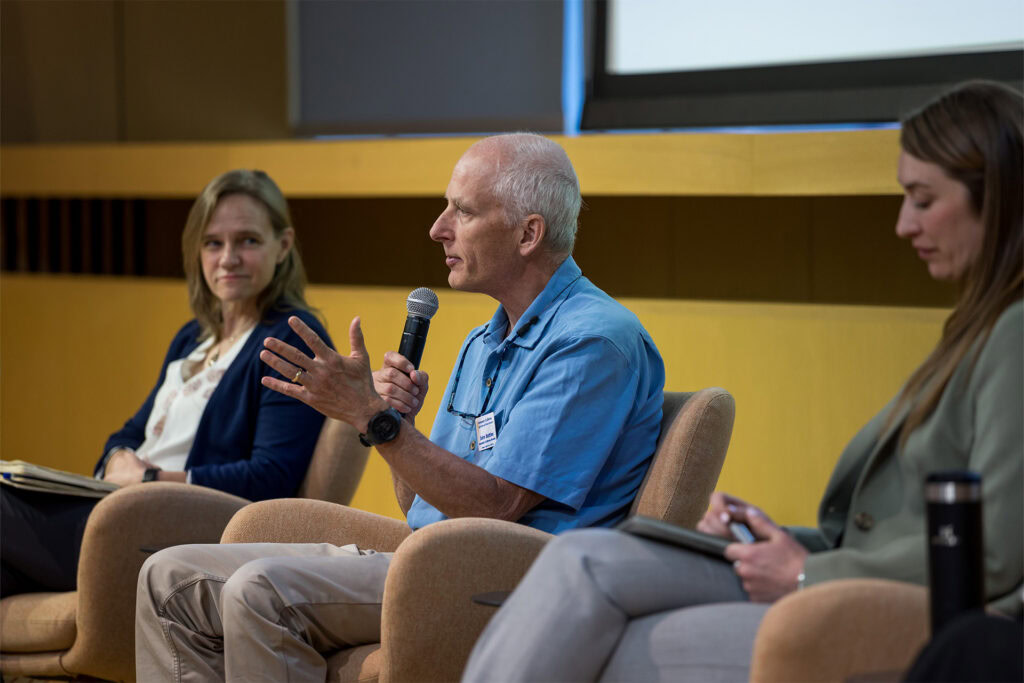
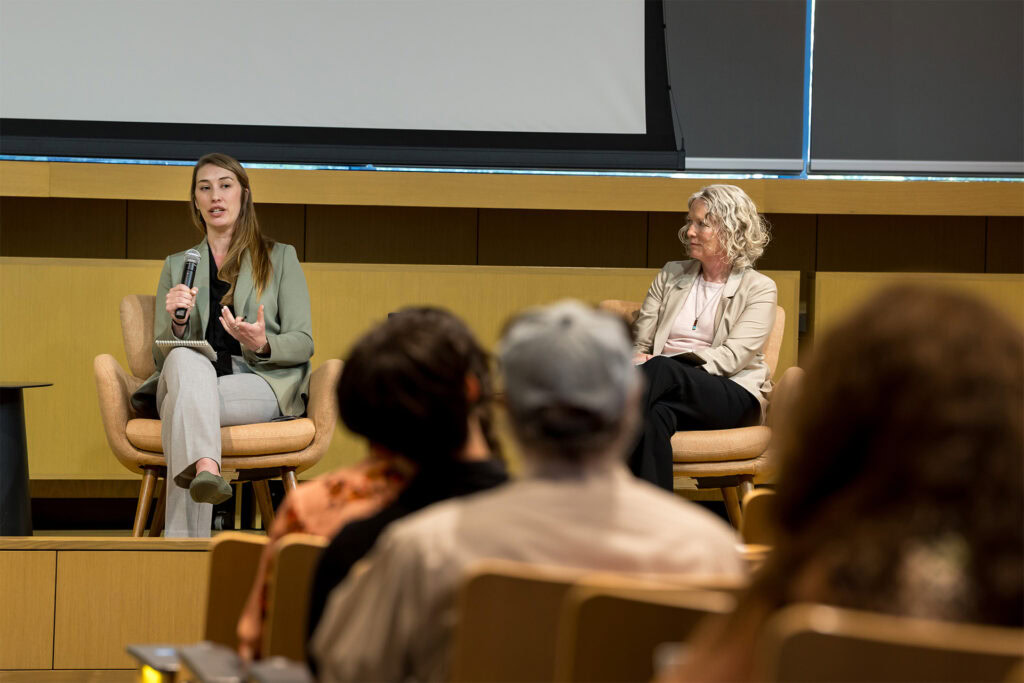
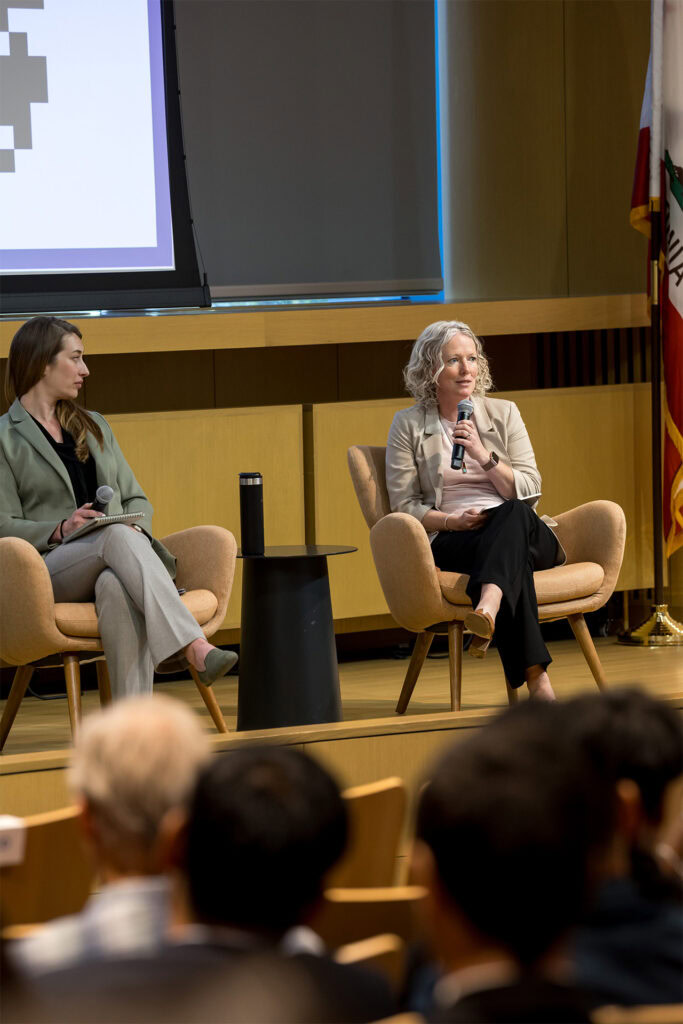
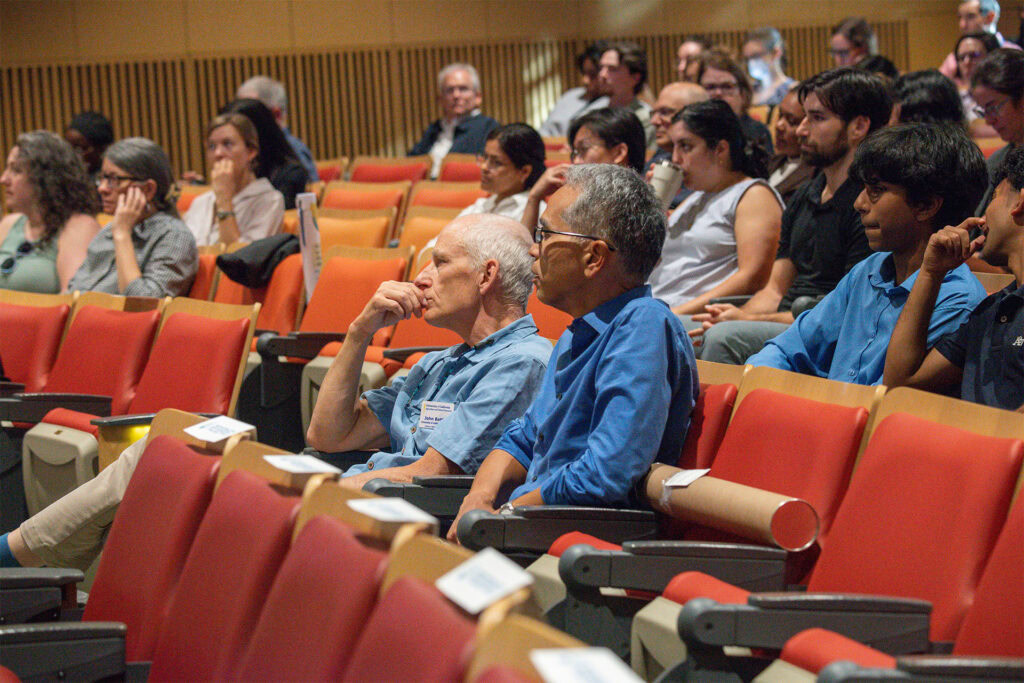
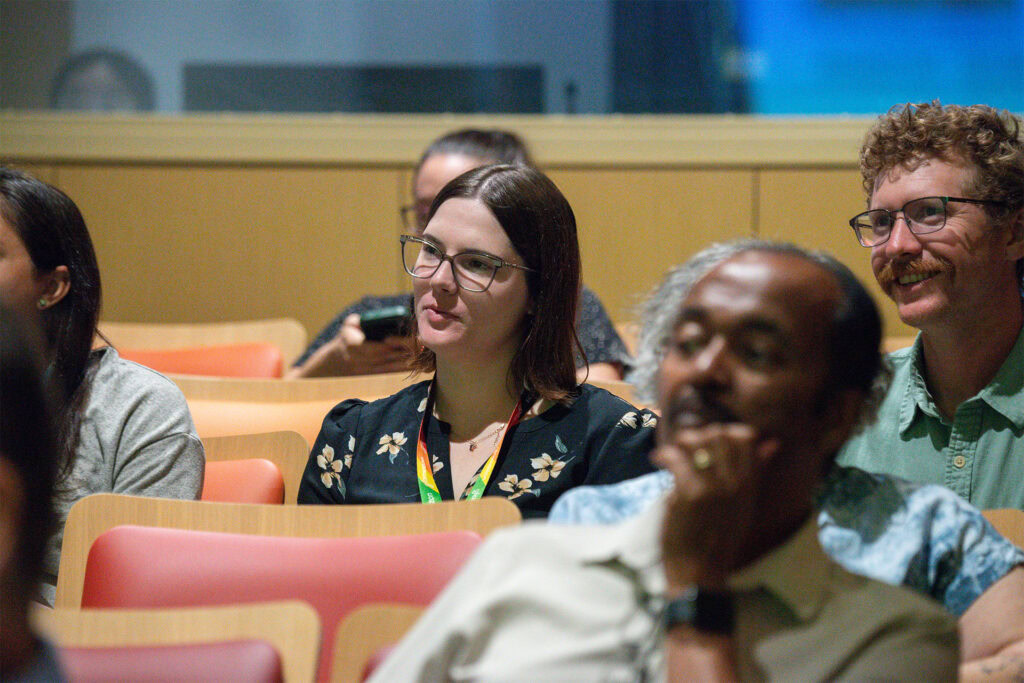
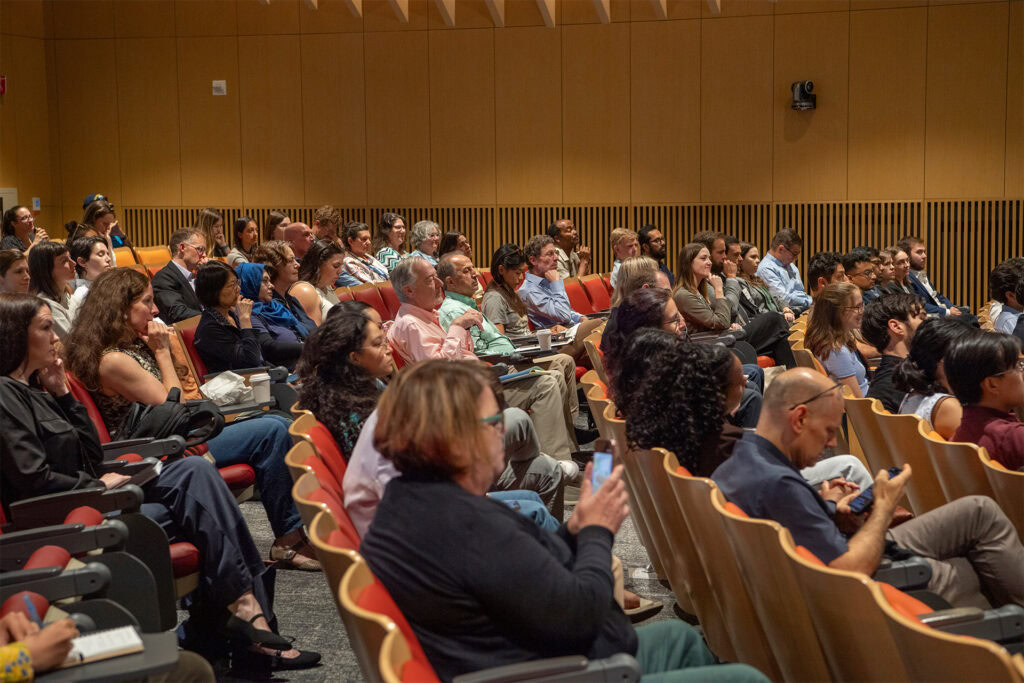
This panel showcased partnerships in which researchers and state decision-makers are already working together successfully, and explored what makes these collaborations effective, how they can be replicated, and how they can be expanded. As the federal science landscape undergoes major change, California remains committed to evidence-based decision-making and to collaboration between researchers and policymakers. This moment of disruption also creates an opening to deepen the relationship between the state and its research community. Panelists discussed practical strategies for strengthening California’s science-to-action pipeline. They also considered how the state’s innovative models might inform and inspire efforts to rebuild science-policy connections at the federal level.
Panelists
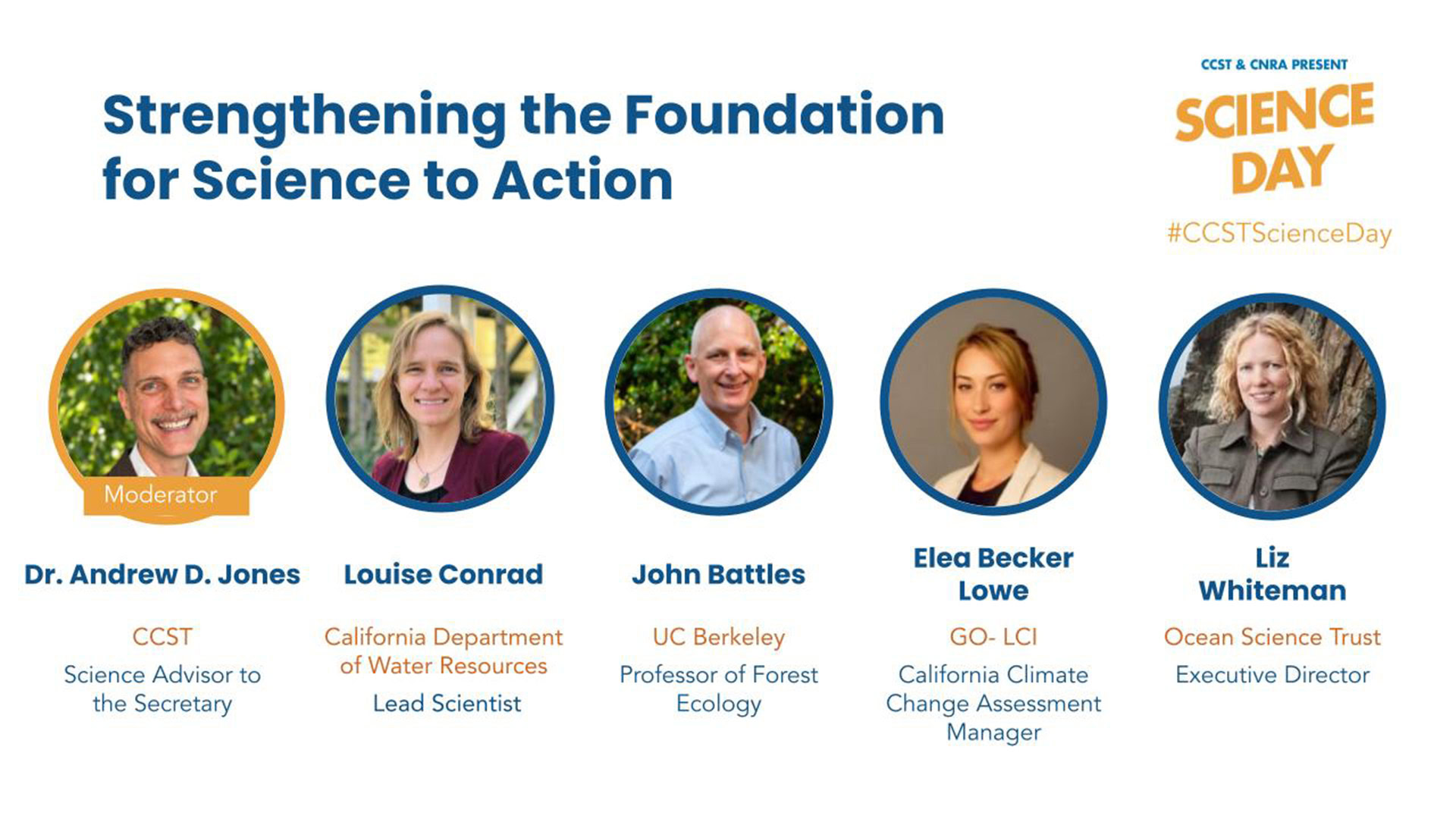
Photo Gallery
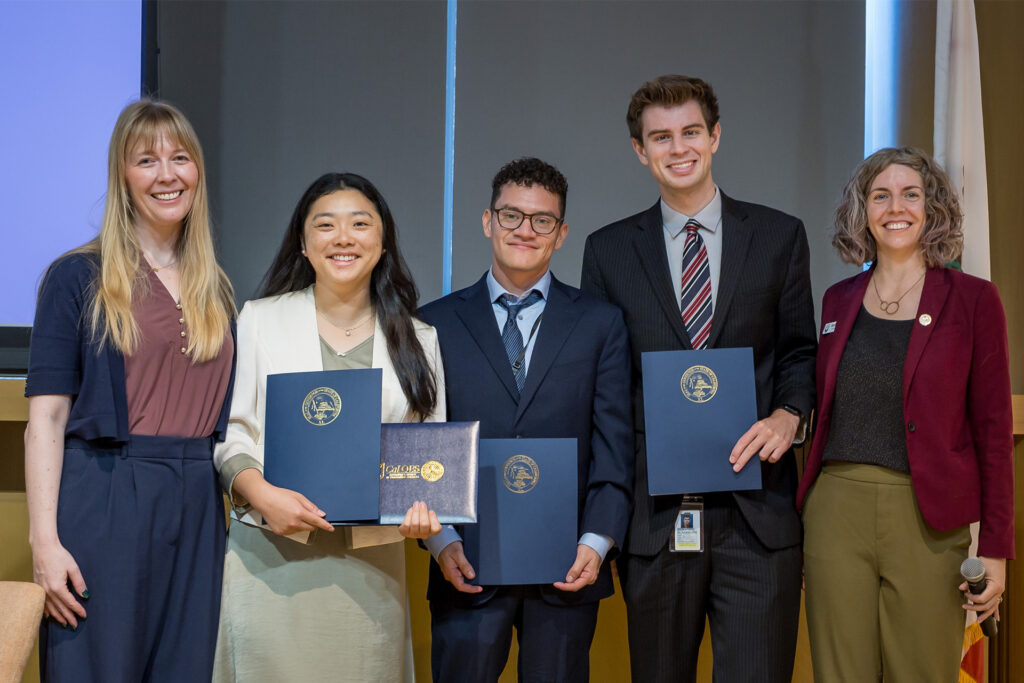
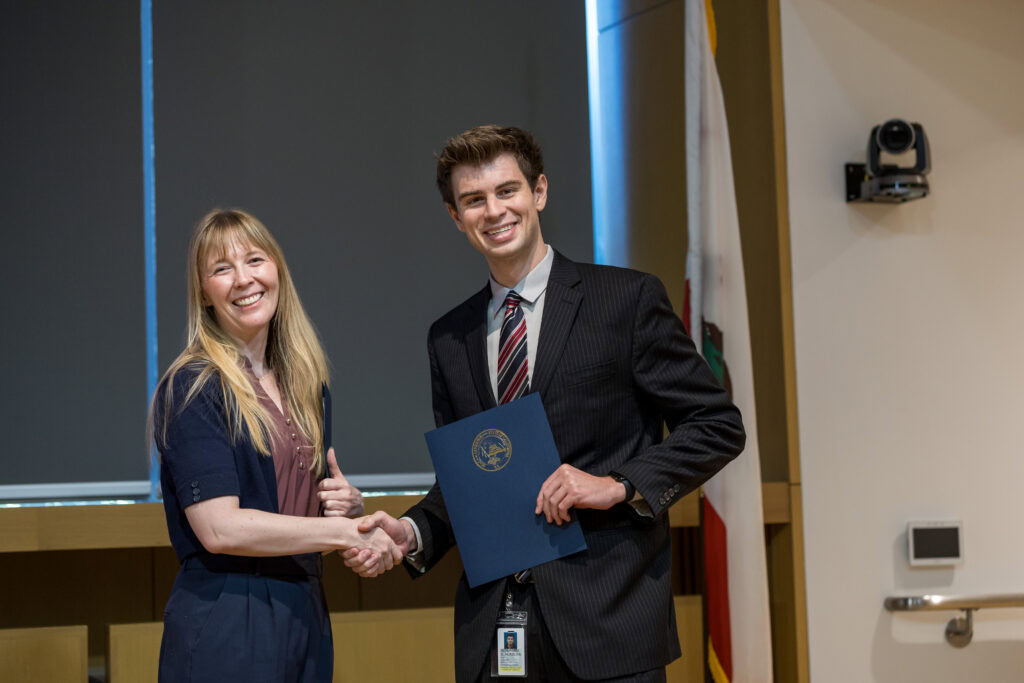
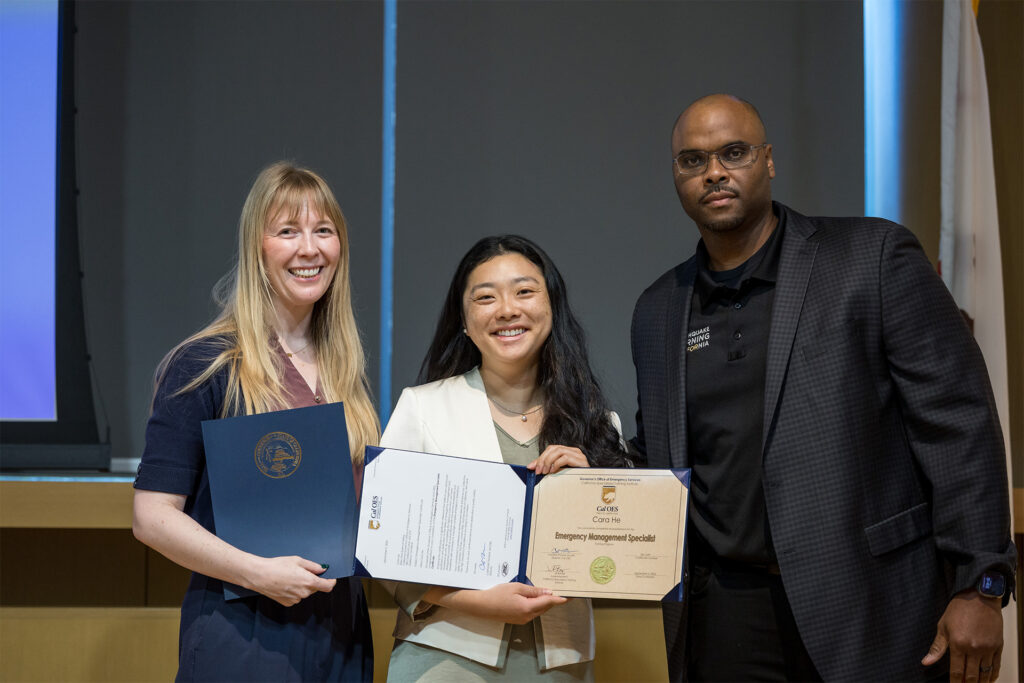
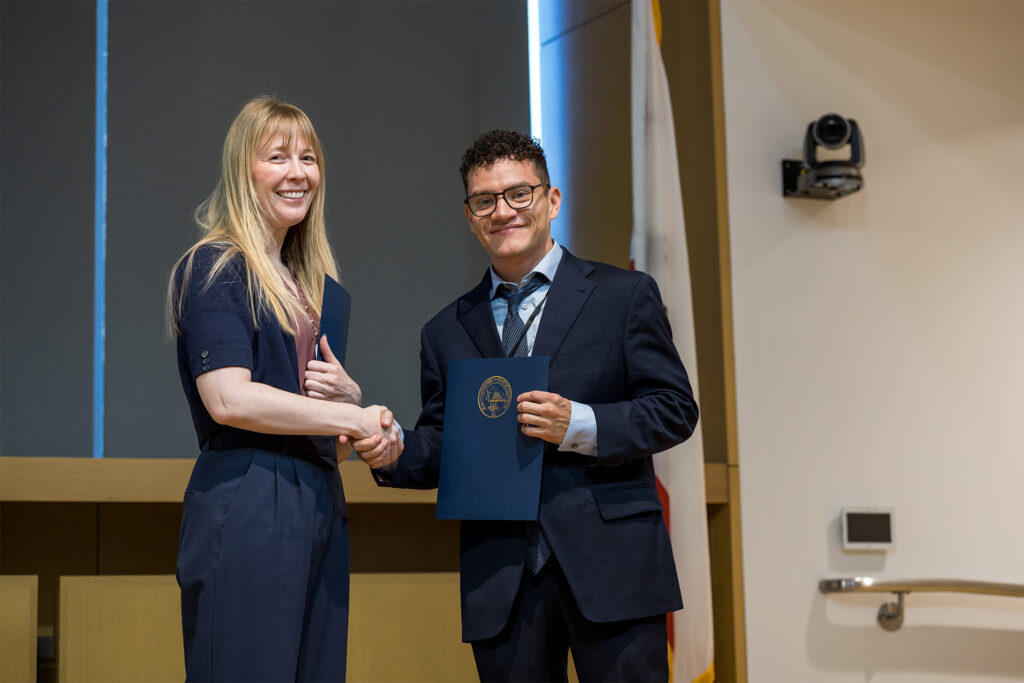
Fellows Recognition
Overview
The CCST Science & Technology Policy Fellows placed in the Executive Branch, including State Agencies and Offices of the Governor, were recognized for their year of public service in policy:

Benjamin Blackburn, PhD
Department of Toxic Substances Control, Office of Legislation and Regulatory Review
Benjamin moved from Virginia, where he researched bacteria able to produce electricity. He enjoys swimming and cheering on the Virginia Tech Hokies!
PhD: Chemistry, Virginia Tech<
BS: Chemistry, Allegheny College
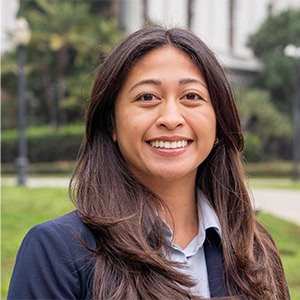 Erin de Leon Sanchez, PhD
California State Lands Commission
Growing up in the San Joaquin Valley and researching salmon in the American River inspired Erin to investigate how ocean warming impacts the red sea urchin, a key fishery species.
PhD: Ecology, Evolution, and Marine Biology, UC Santa Barbara
BS: Biological Sciences, UC Davis
 Cara He, PhD
Governor’s Office of Emergency Services Earthquake Early Warning
Born and raised in Oakland, Cara studied how pesticides and pharmaceuticals mimic reproductive hormones to affect development.
PhD: Integrative Biology, UC Berkeley
BA: Integrative Biology, UC Berkeley
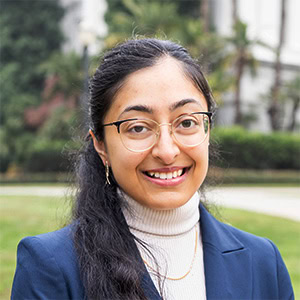 Manisha Kapasiawala, PhD
Department of Finance
A New Jersey native, Manisha moved to California to build cellular life from scratch to study the origin of life and for biotechnology uses.
PhD: Bioengineering, Caltech
BSE: Chemical Engineering, Princeton University
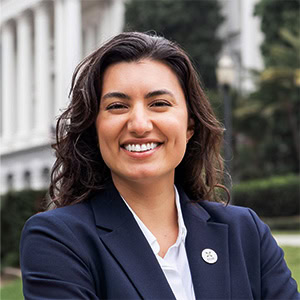 Nikka Malakooti, PhD
Governor’s Office of Land Use and Climate Innovation
After growing up in Virginia and Italy, Nikka studied how climate, predation, and infectious disease impact important marine organisms in California.
PhD: Ecology and Evolutionary Biology, UC Santa Cruz
ScB: Ecology and Evolutionary Biology, Brown University
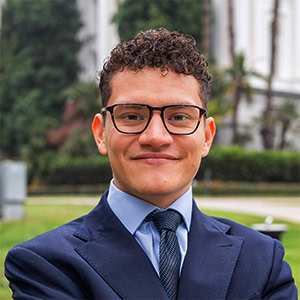 Fernando Romero Galvan, PHD
Department of Water Resources
Born in Mexico and raised in Los Angeles, Fernando is a former NASA fellow who used satellite and airborne data to study vineyard diseases.
PhD: Plant Pathology and Plant Microbe Biology, Cornell University
BA: Geography, California State University, Northridge
Photo Gallery
Breakout Sessions
Overview
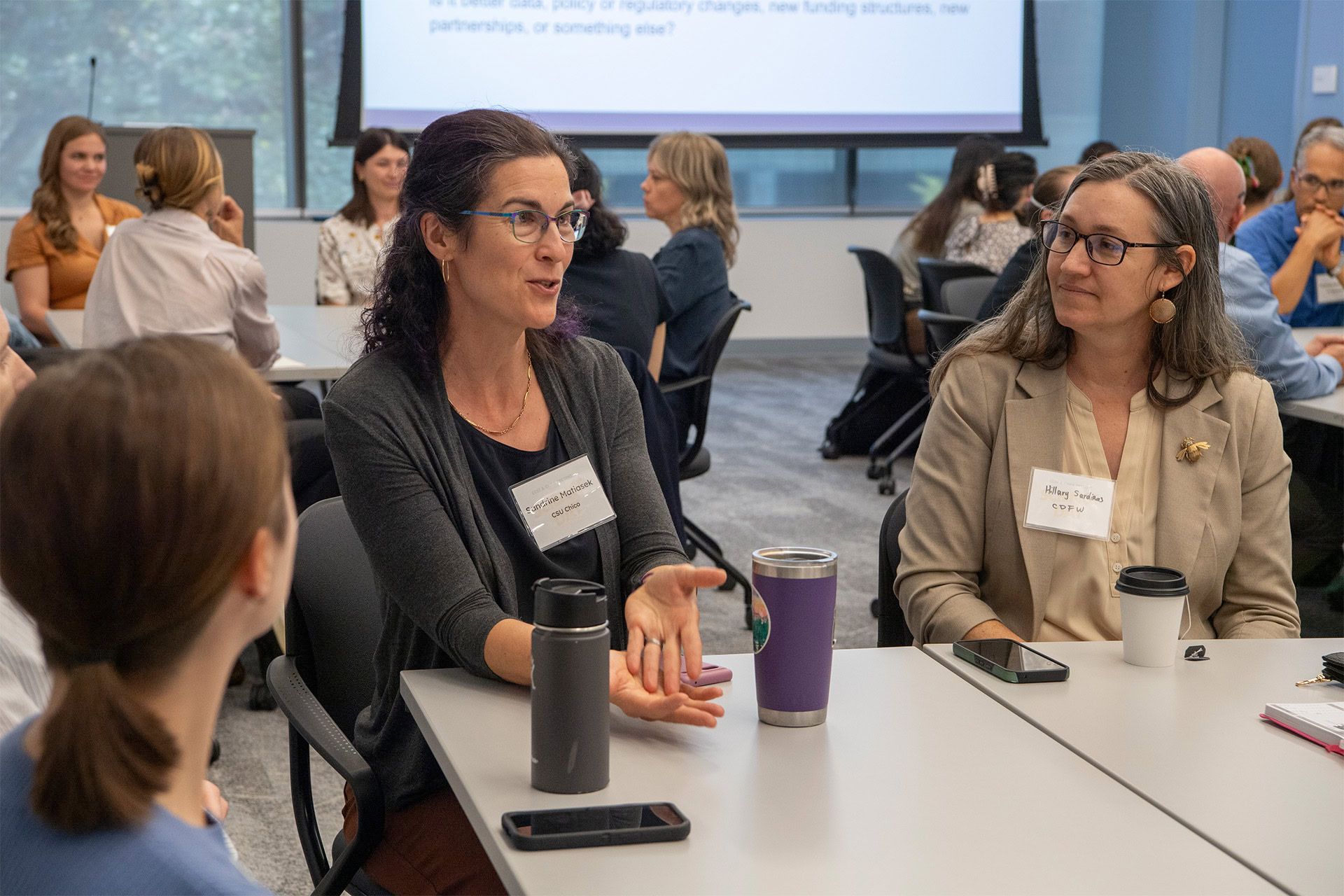
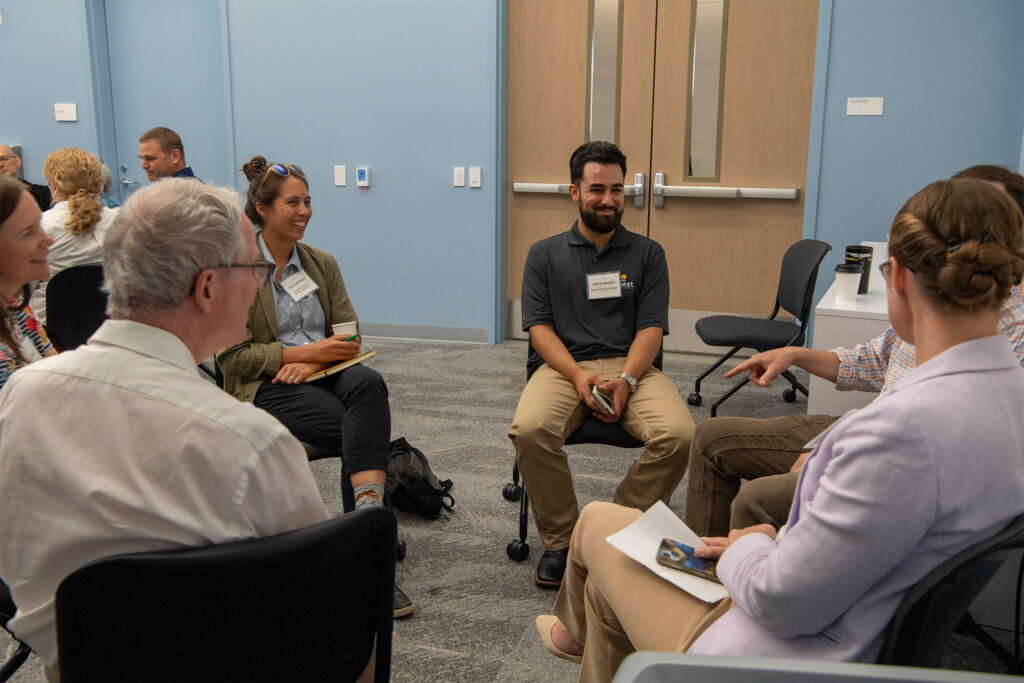
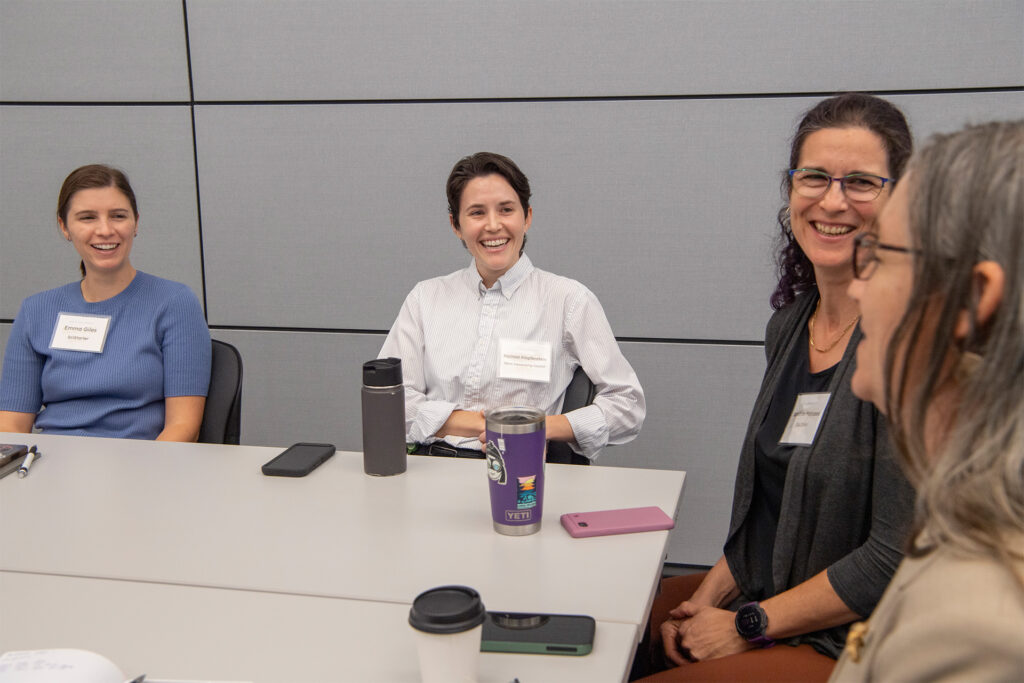
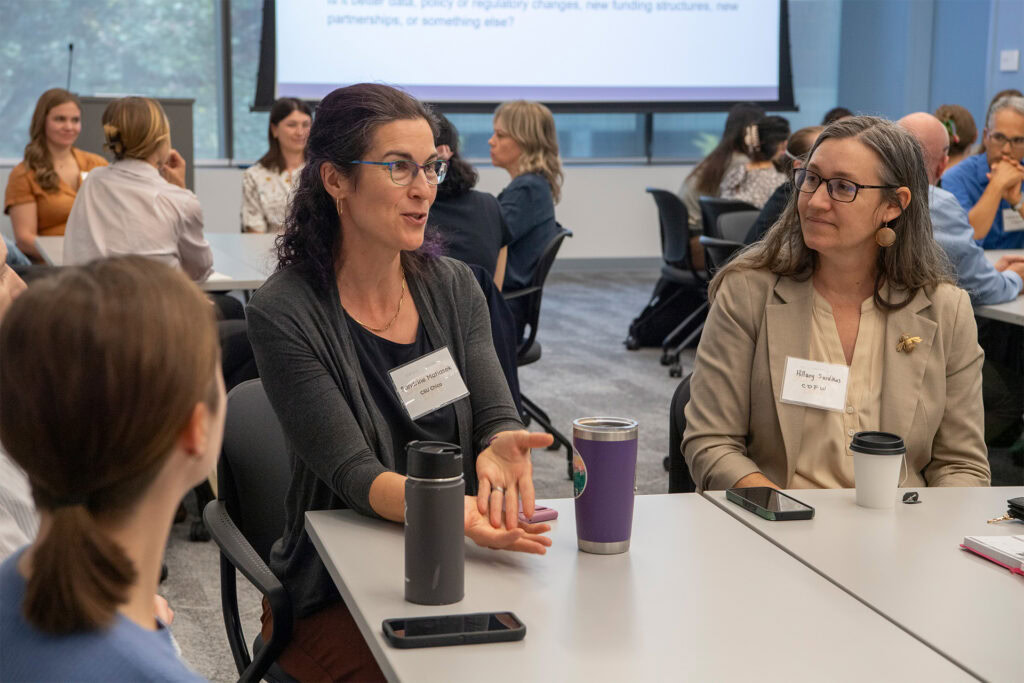
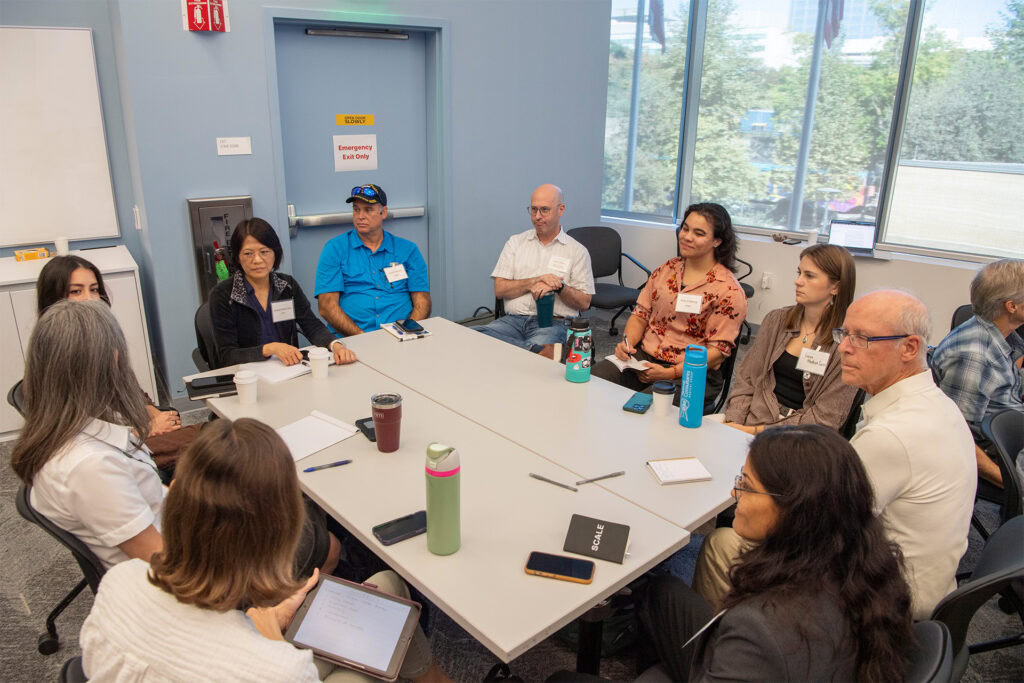
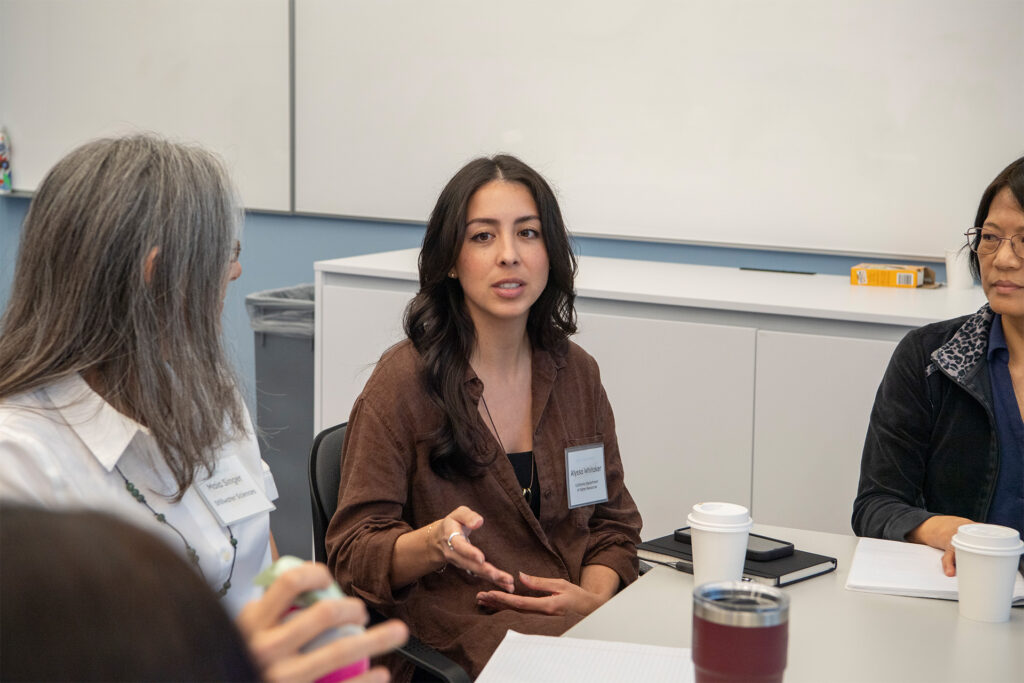
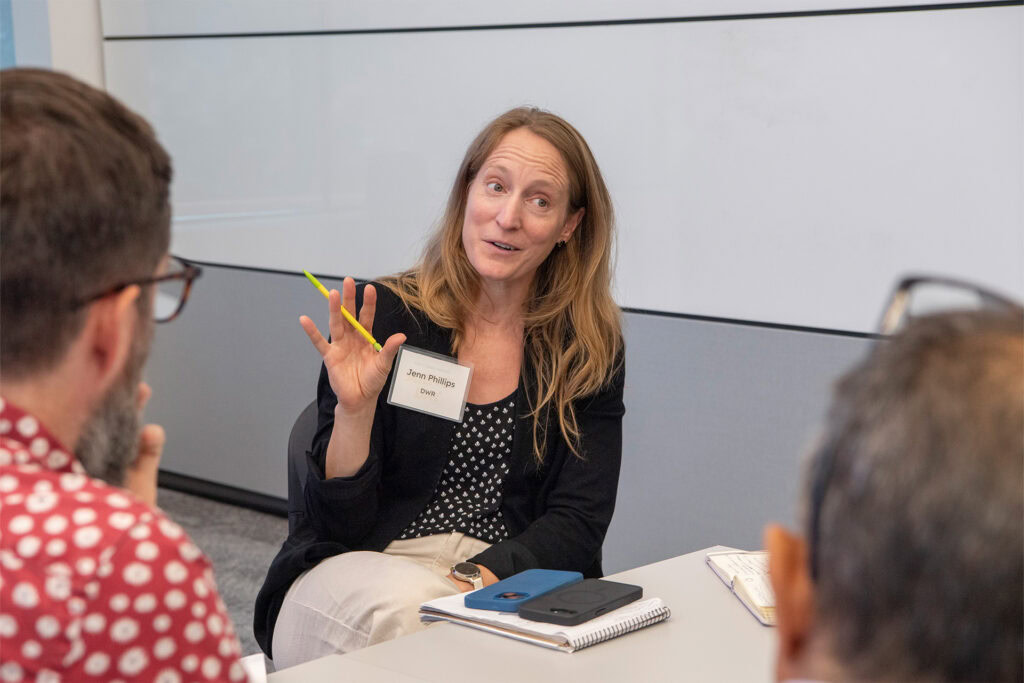
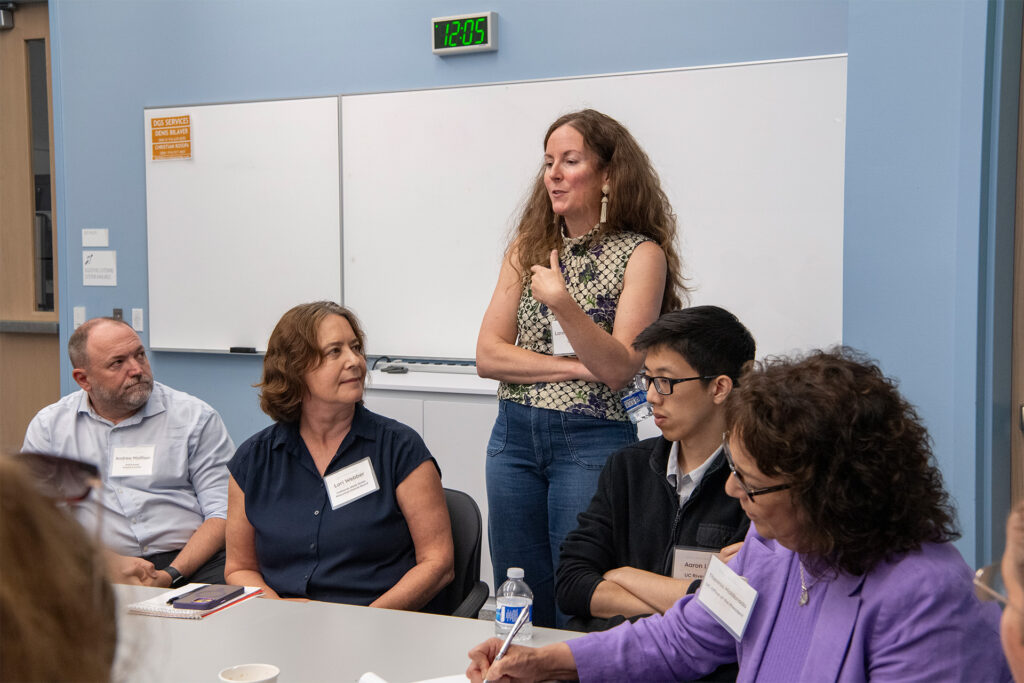
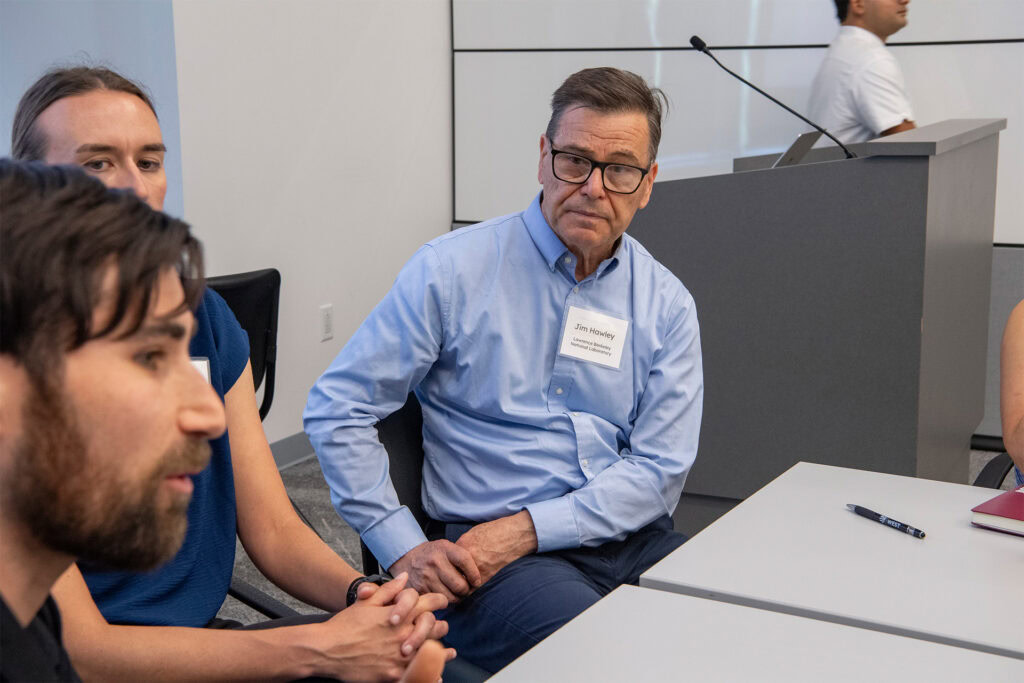
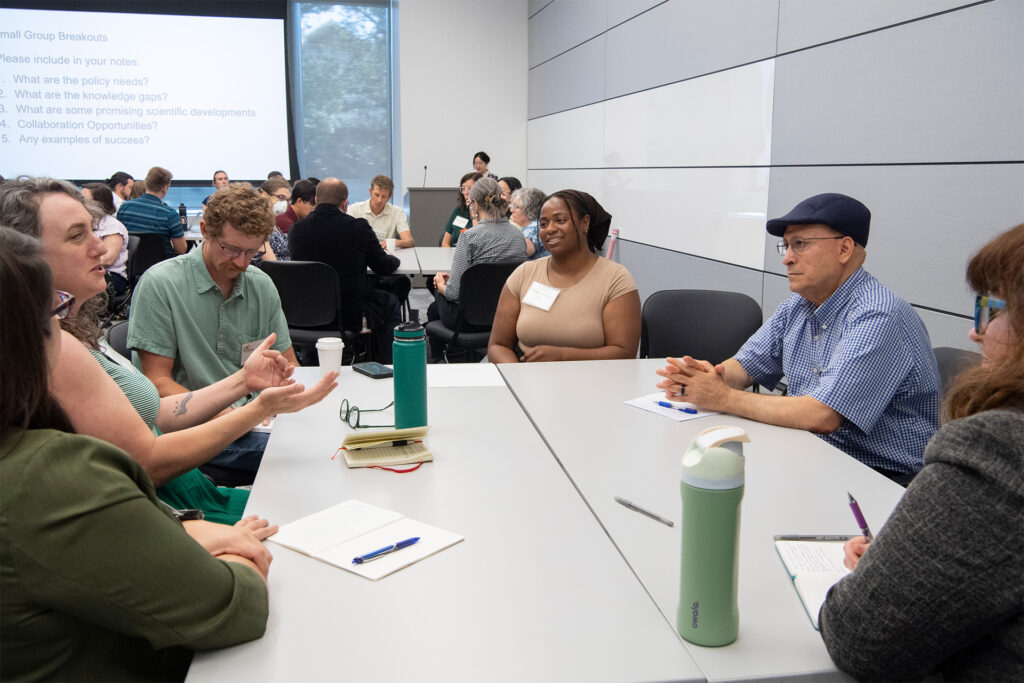
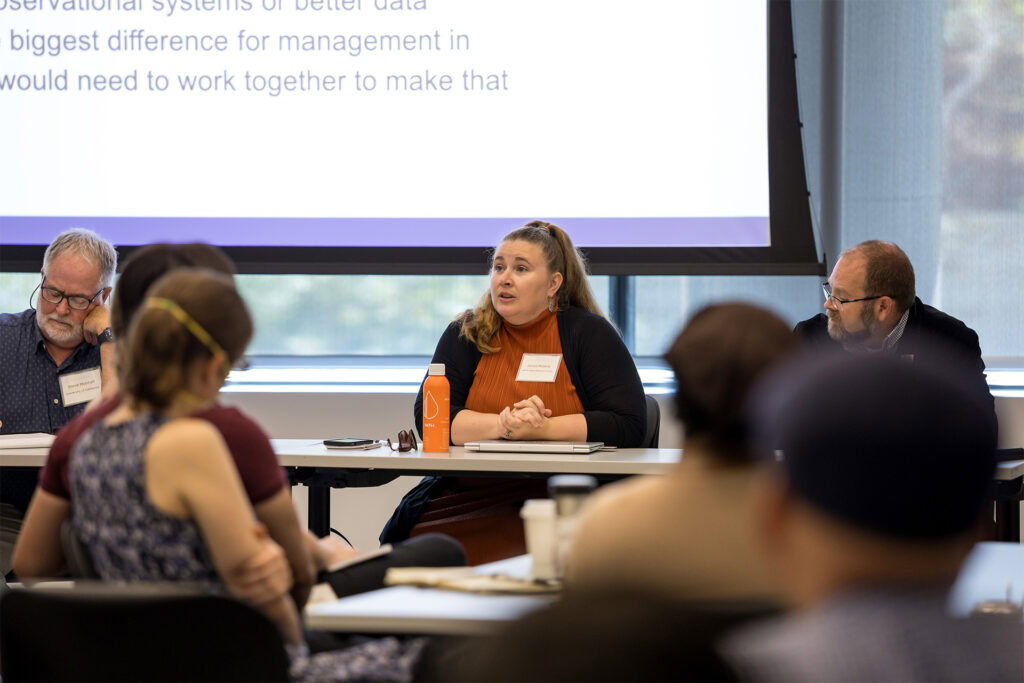
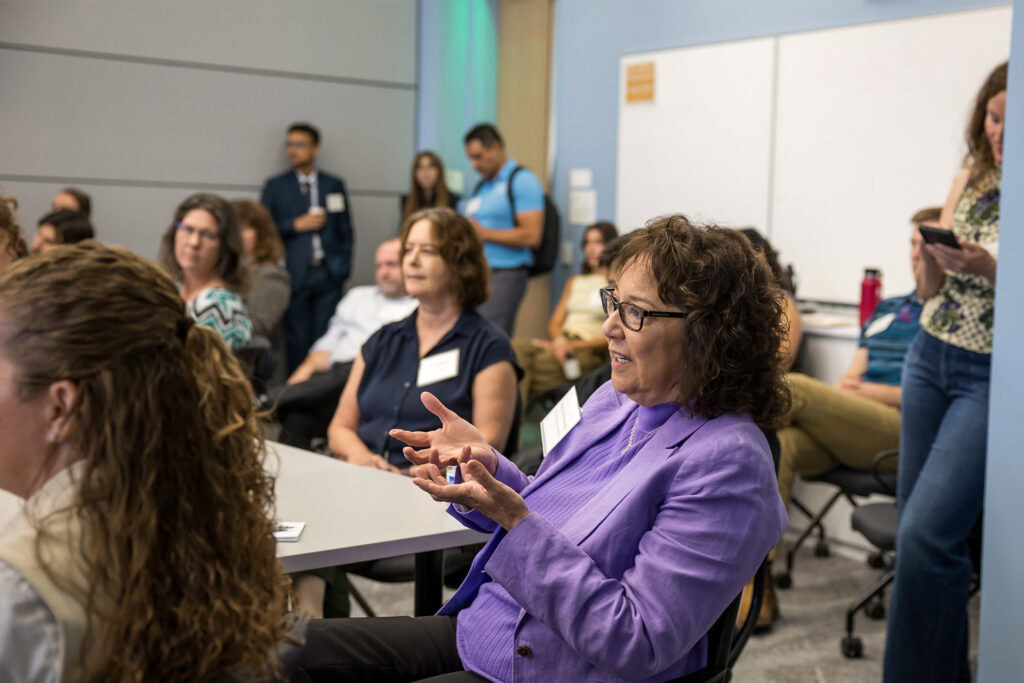
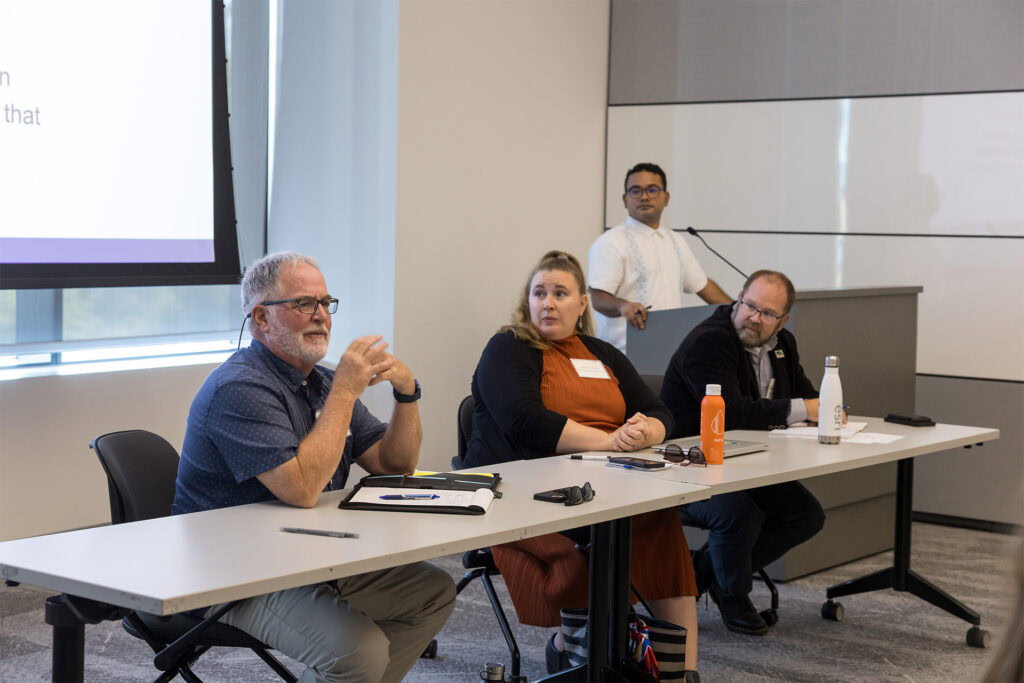
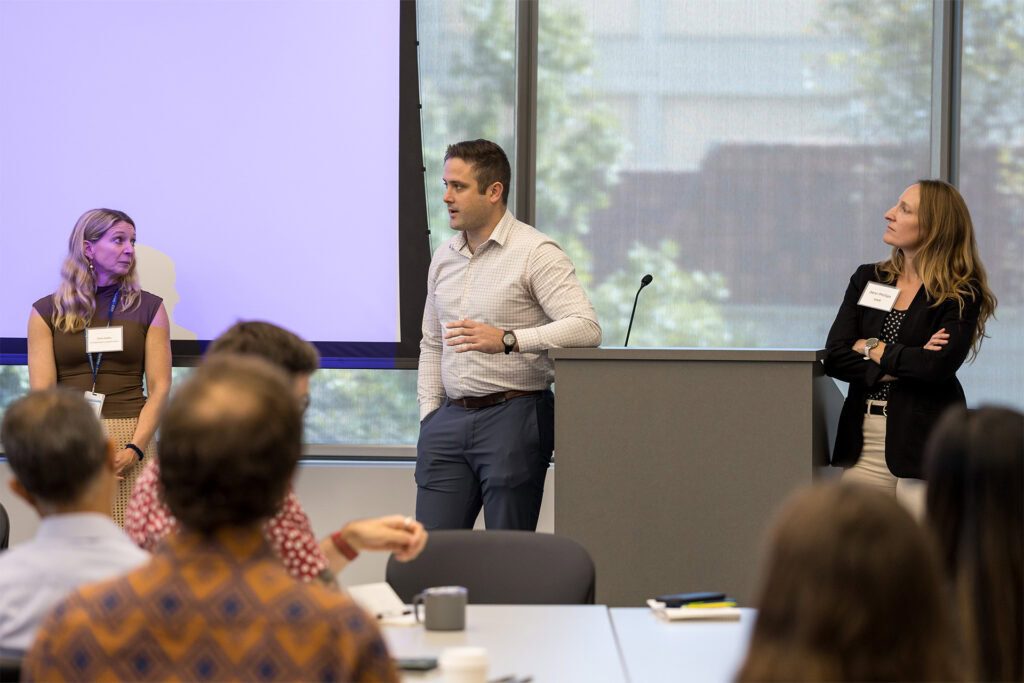
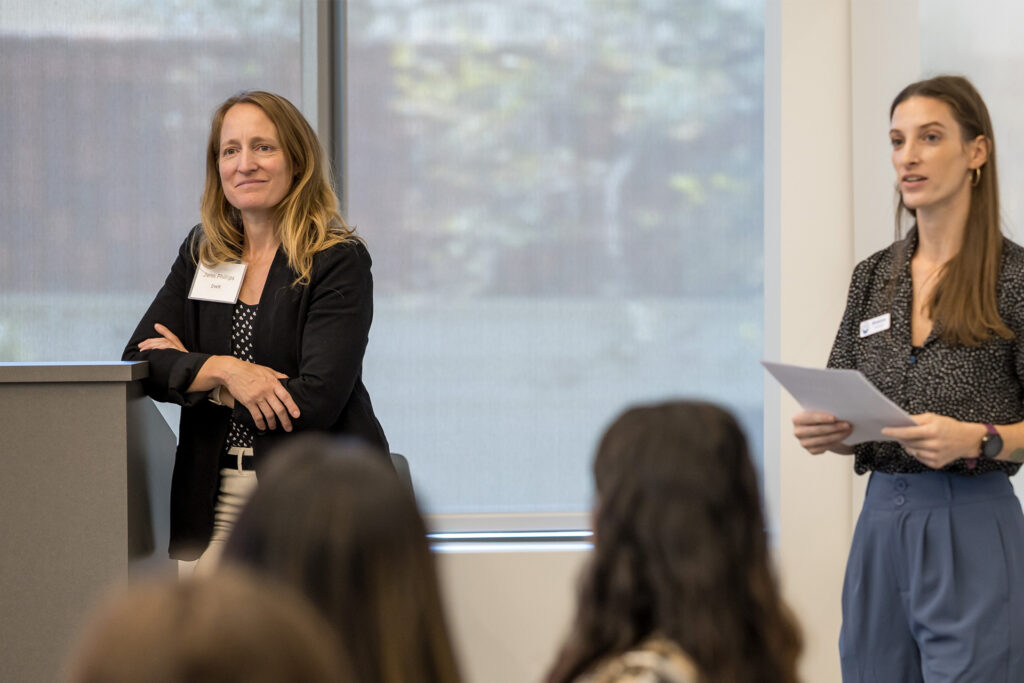
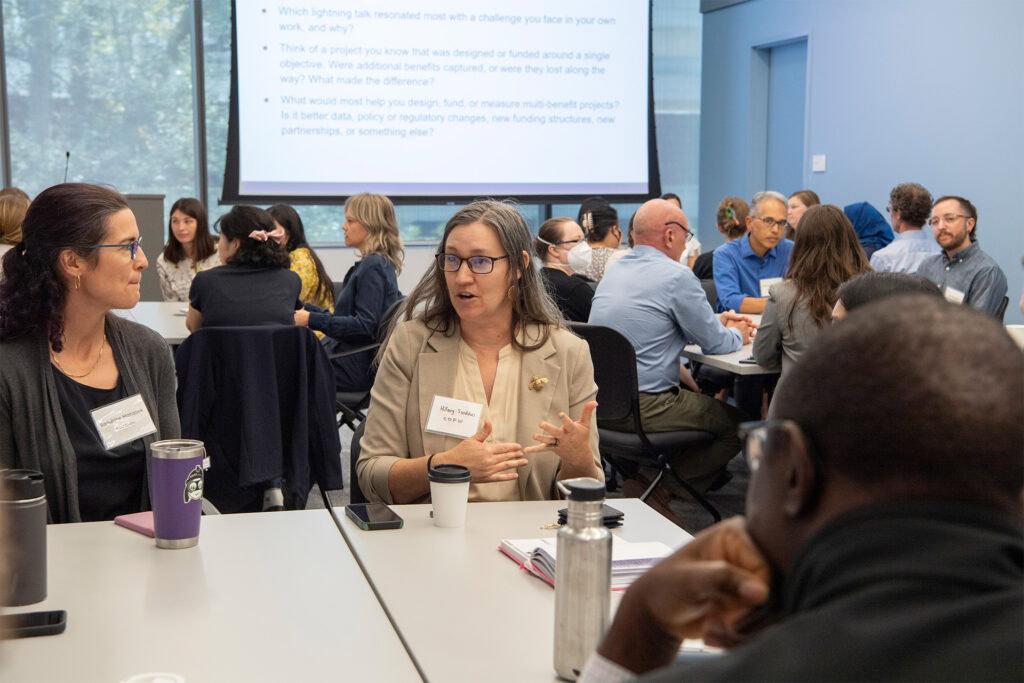
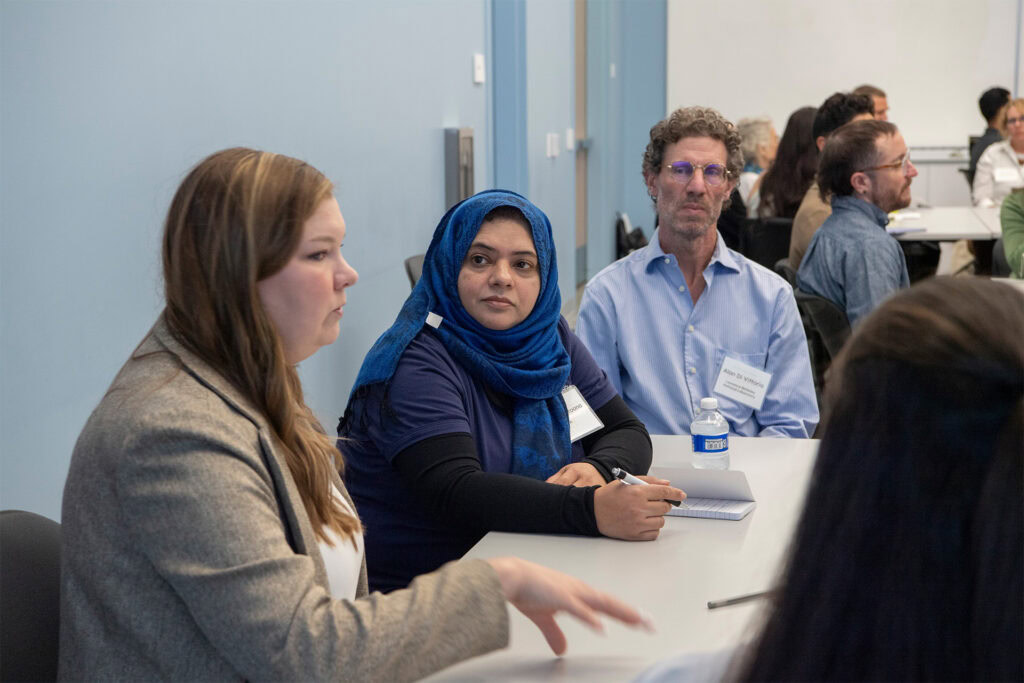
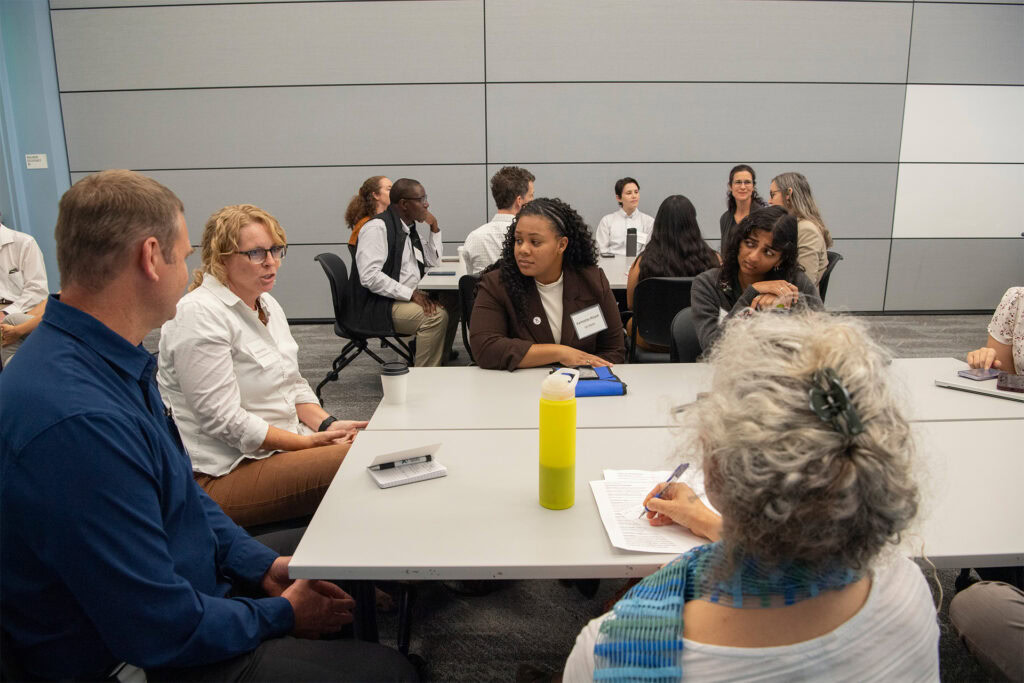
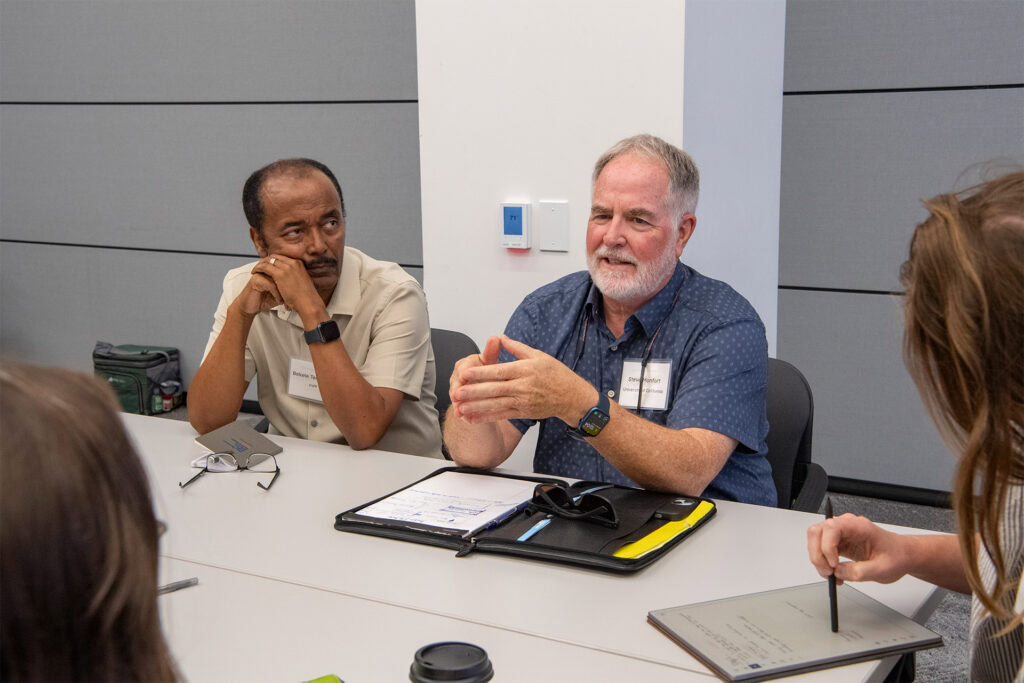
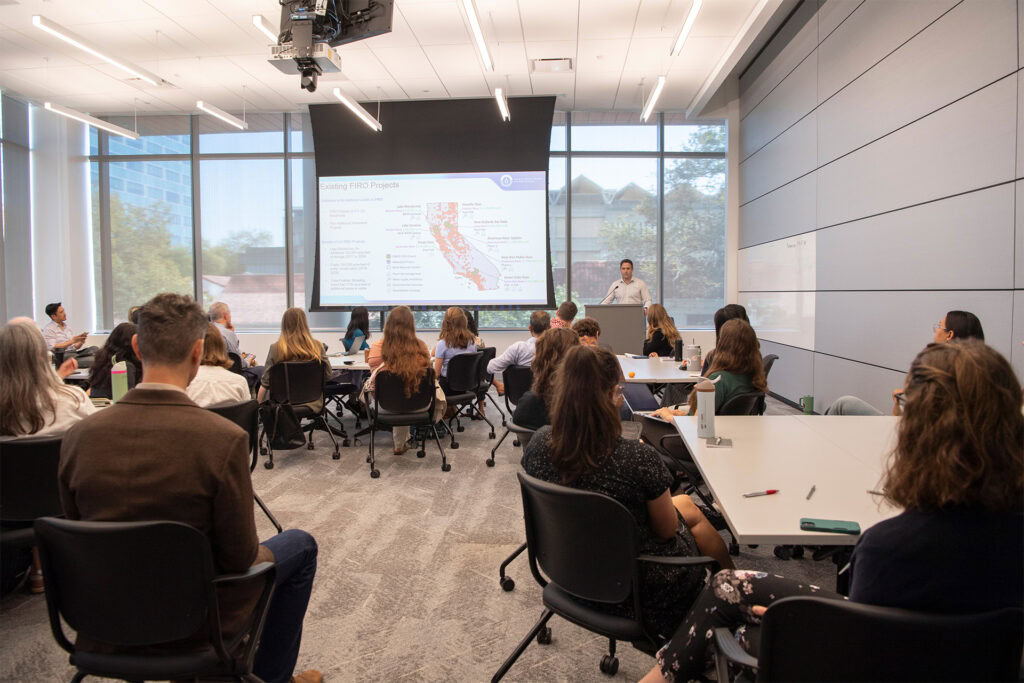
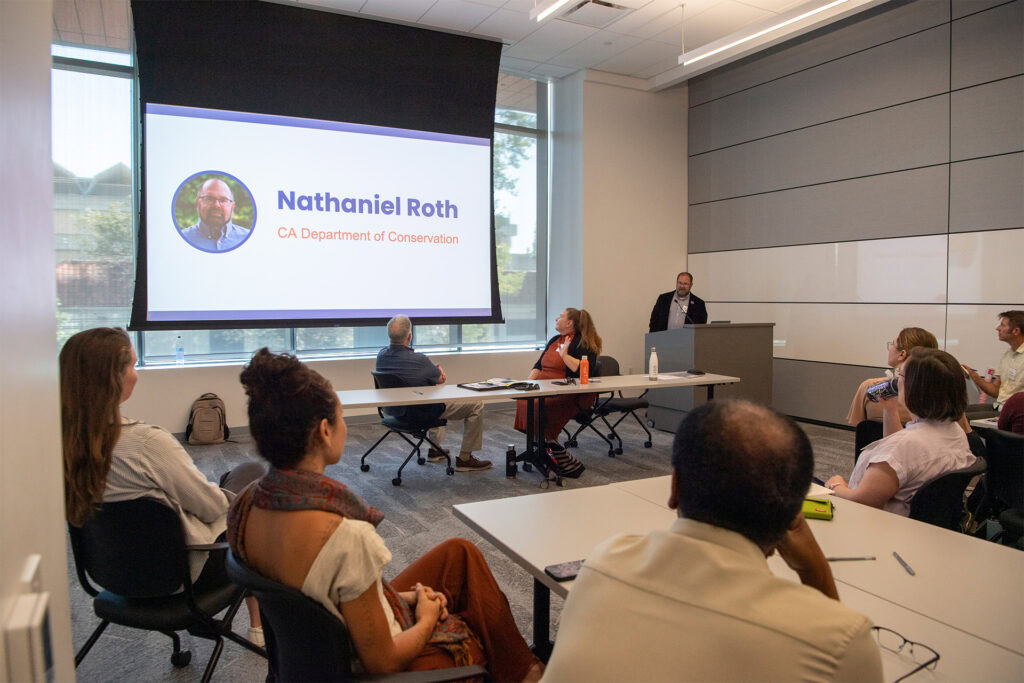
In the morning of both Day One and Day Two, three concurrent, 1.5-hour Breakout Sessions focused on cross-cutting topic areas with 2-3 Lightning Talks in each session. Presenters were state agency, tribal, academic, and/or non-profit partners working together on a project. Each presenter delivered a five-minute presentation on the project – the origins, successes, and challenges, which will form the basis for further small group discussions.
Day 1
Climate-Water-Energy Resilience – How to Make ‘Best Available Science’ Even Better
Facilitation Lead: Rhianna Hohbein, CCST
This session asked what “best available science” really means in practice, and what new tools, partnerships, and services are needed to keep California’s climate adaptation science ahead of an increasingly complex risk landscape.
Climate-Water-Energy Resilience – Lightning Talk Presenters
- Jenn Philips (CA Department of Water Resources)
- Nina Oakley (CA Geological Survey)
- Chad Hecht, (Scripps Institute of Oceanography and CA Dept. of Water Resources)
From Information to Insights: Novel Observations and Data Integration for Decision Support
Facilitation Lead: Héctor Corzo, CCST
This breakout explored how California better connects environmental data collection with the decisions that depend on it.
From Information to Insights – Lightning Talk Presenters
- Nathan Roth (Department of Conservation)
- Steven Monfort (UC Office of the President)
- Jessica McCarty-Kern (NASA Ames)
Capturing Co-Benefits to Advance Multiple Policy Objectives
Facilitation Leads: John Thompson, CCST
California’s landscapes are being asked to do more than ever, often on the same plots of land or in the same coastal zone. Speakers shared how co-benefits thinking is being applied for managing landscapes toward multiple policy goals at once.
Capturing Co-Benefits – Lightning Talk Presenters:
- Madeline Drake (CNRA)
- Megan Kelso (UC Santa Cruz)
- Sabrina Chui (Blue Forest)
Day 2
Climate-Water-Energy Resilience – How to Make ‘Best Available Science’ Even Better
Facilitation Lead: Rhianna Hohbein, CCST
Climate-Water-Energy Resilience – Lightning Talk Presenters:
- Clare Cannon (UC Davis)
- Julia Szinai (Lawrence Berkeley National Laboratory)
- Ted Grantham (UC Berkeley)
From Information to Insights: Novel Observations and Data Integration for Decision Support
Facilitation Lead: Hector Corzo, CCST
From Information to Insights – Lightning Talk Presenters:
- Erin Hestir (UC Merced)
- Melanie Gogul-Prokurat (CDFW)
- Gina Ford and Amanda Martin (CNRA)
Capturing Co-Benefits to Advance Multiple Policy Objectives
Facilitation Lead: John Thompson, CCST
Capturing Co-Benefits – Lightning Talk Presenters:
- Frank Bigelow (CalFIRE)
- Megan Jennings (San Diego State University)
- Marshall Burke (Stanford University)
Photo Gallery
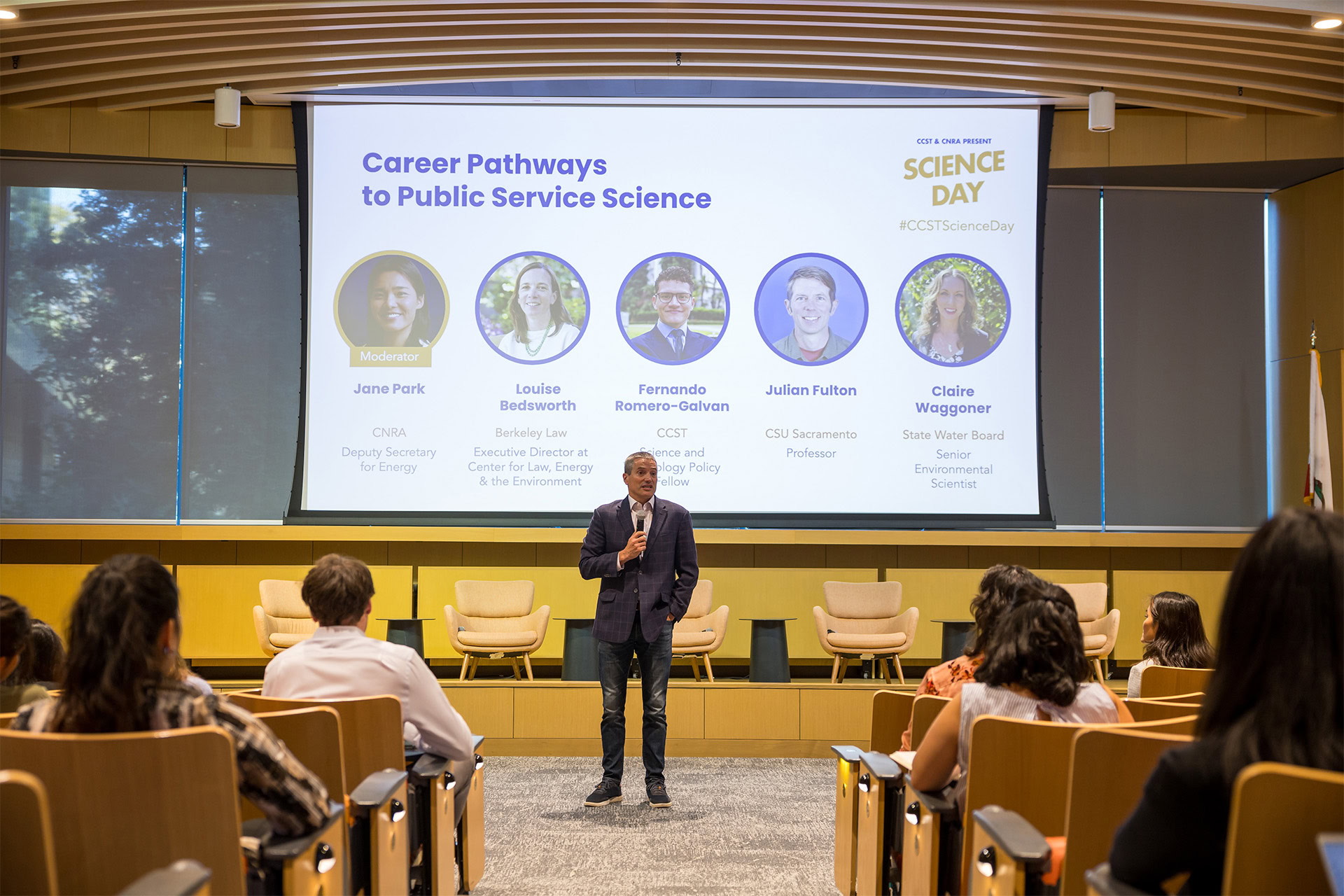
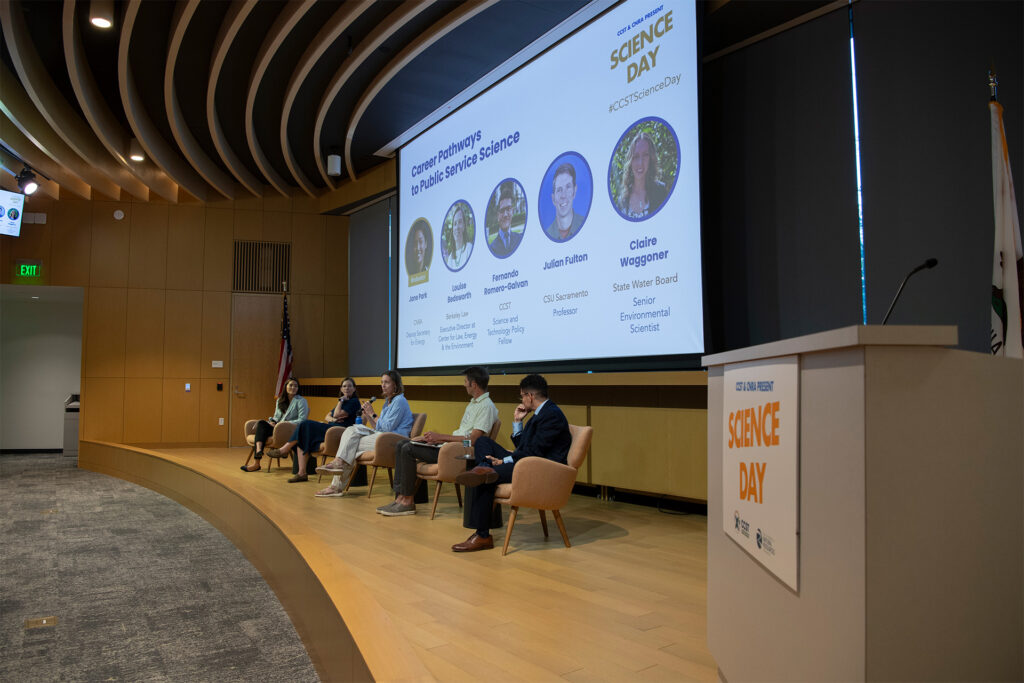
Panel: Career Pathways to Public Service Science
Overview
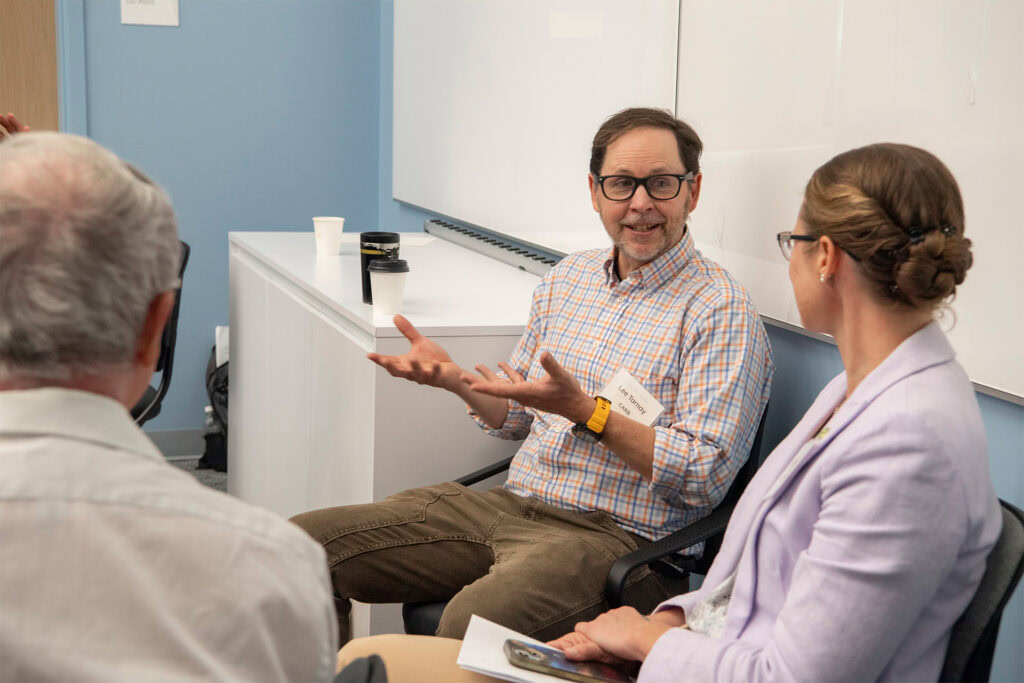
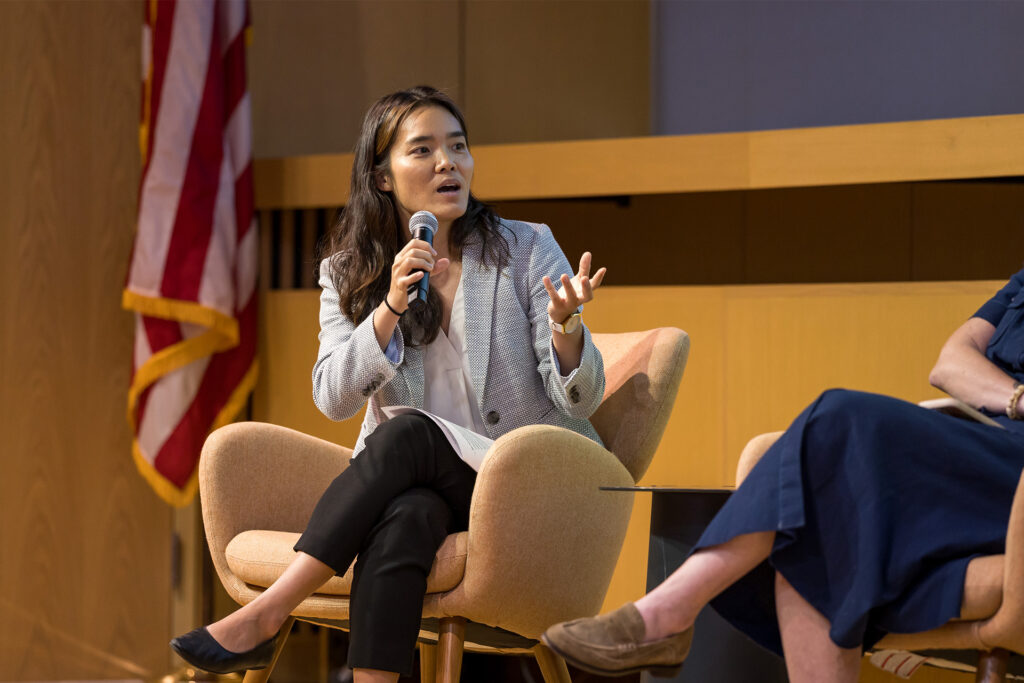
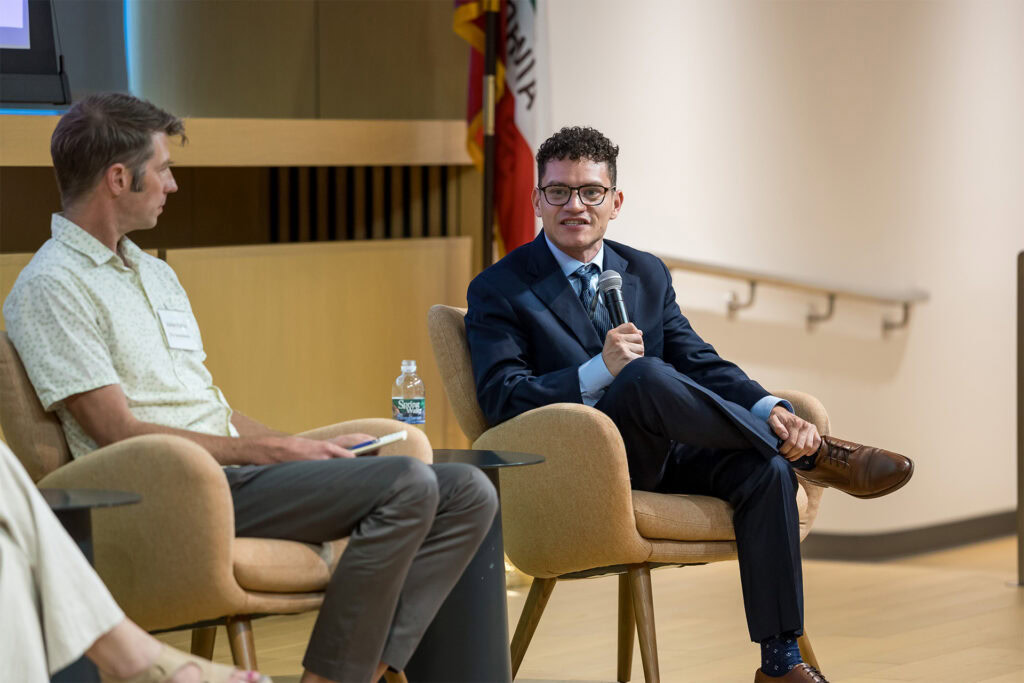
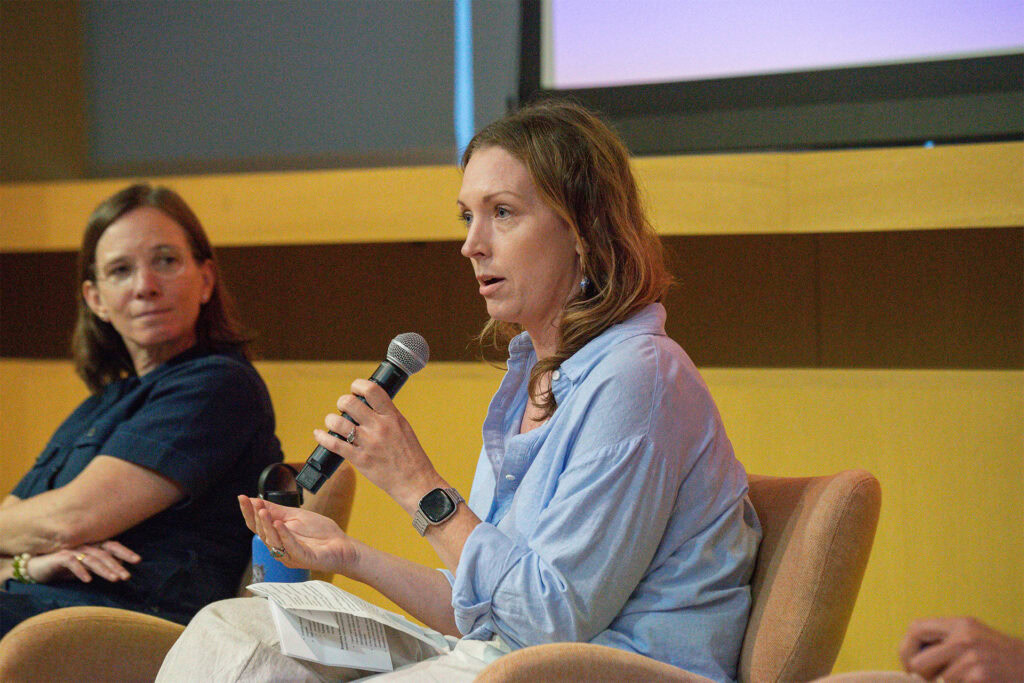
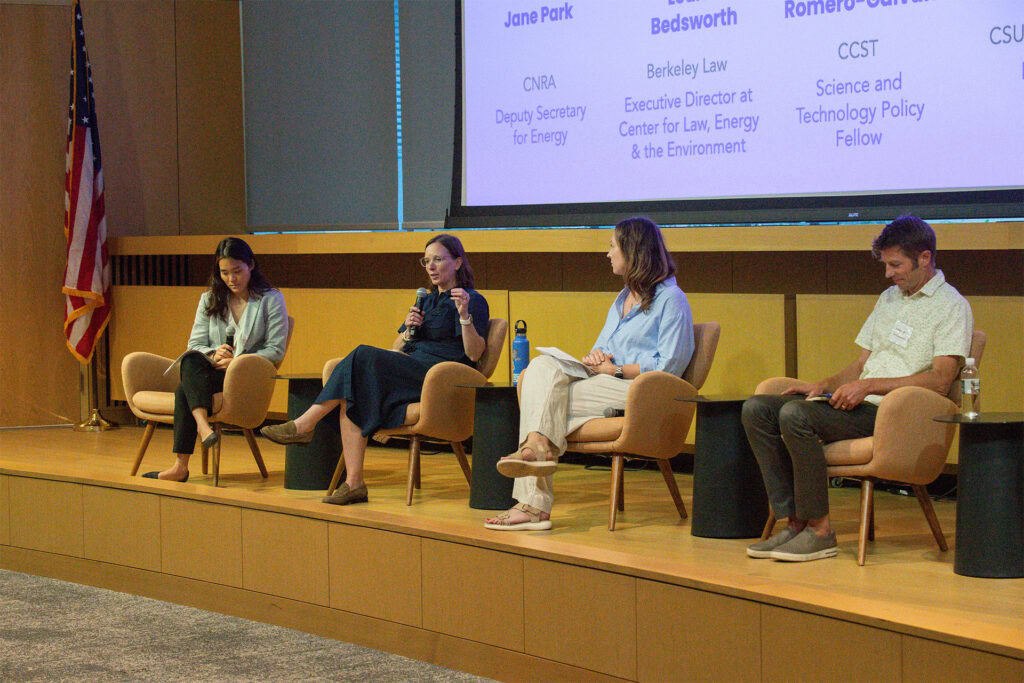
This panel brought together professionals who have built careers across state agencies, universities, and science-policy fellowships to share how they found their way into public service, what skills and experiences proved most valuable, and what they wished they had known earlier. California’s ability to make evidence-based decisions depends on scientists who choose to bring their expertise into public service, working across government agencies, academic partnerships, and the spaces between. Yet the paths into these careers are rarely linear or well-marked. Panelists offered practical advice for students and early-career researchers, reflected on the rewards and challenges of scientific work in government, and discussed how institutions can build stronger, more accessible pipelines into public service.
Panelists
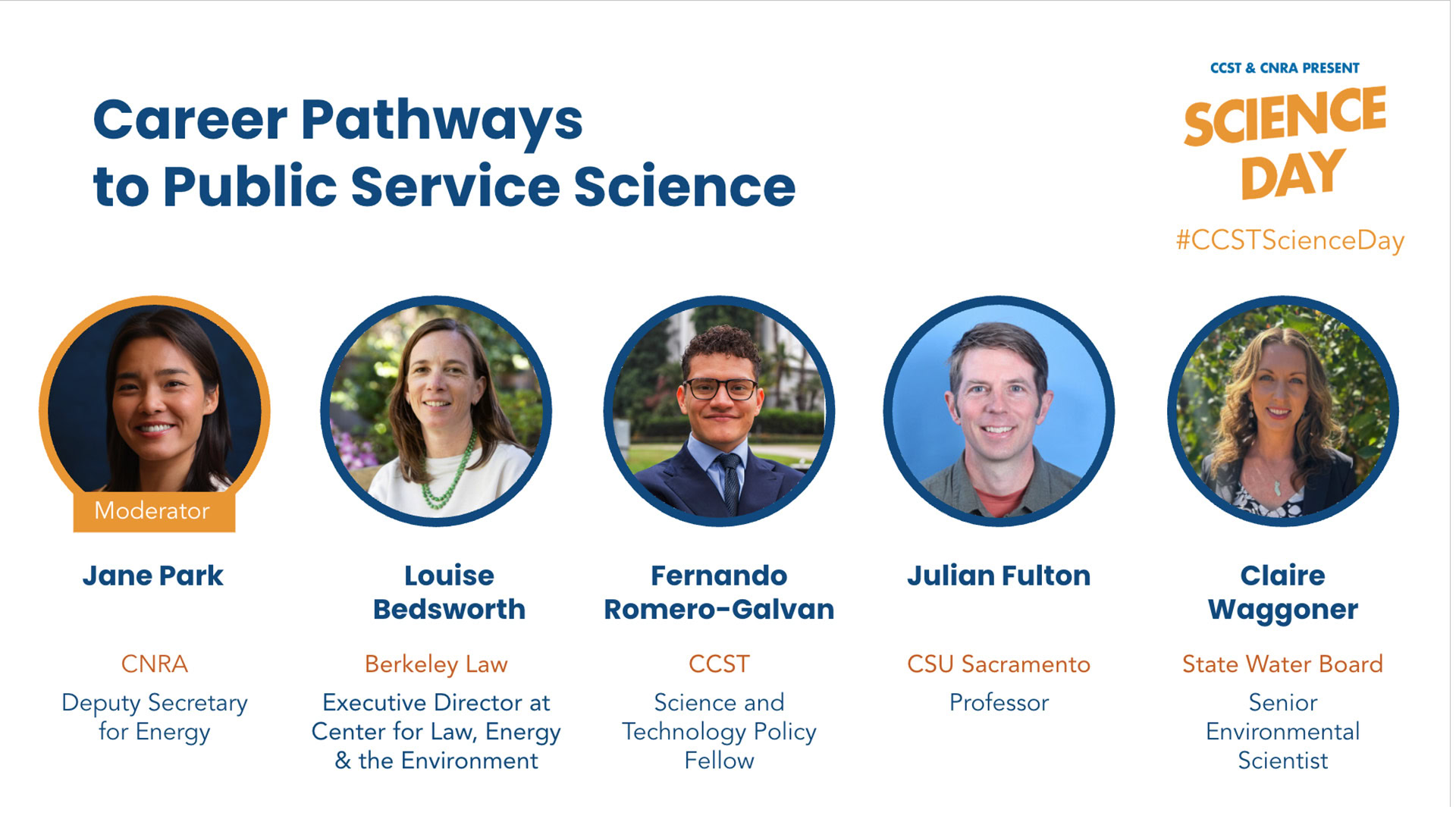
Photo Gallery
Research showcase
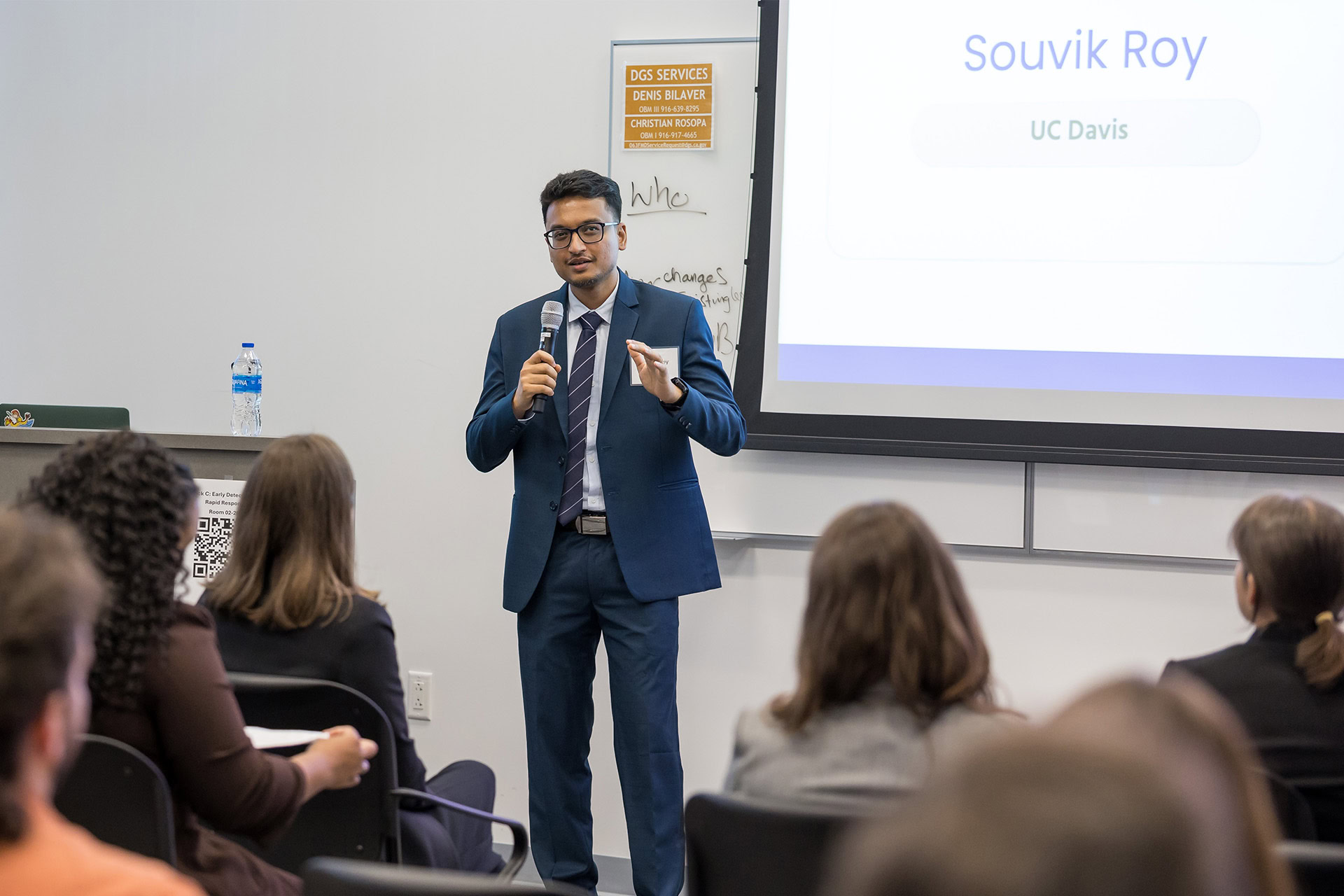
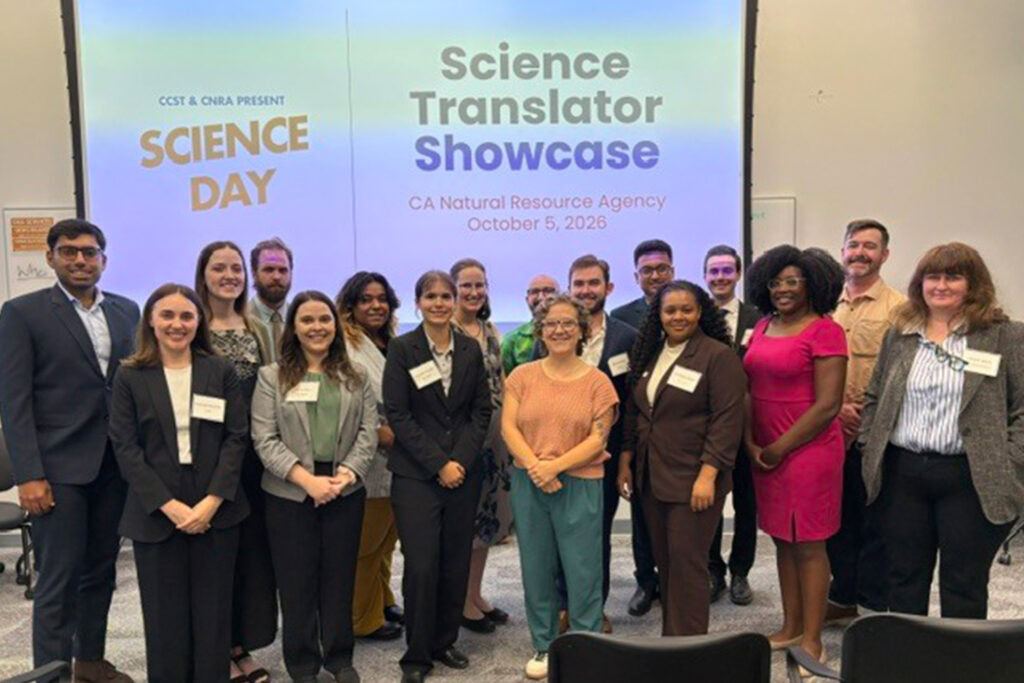
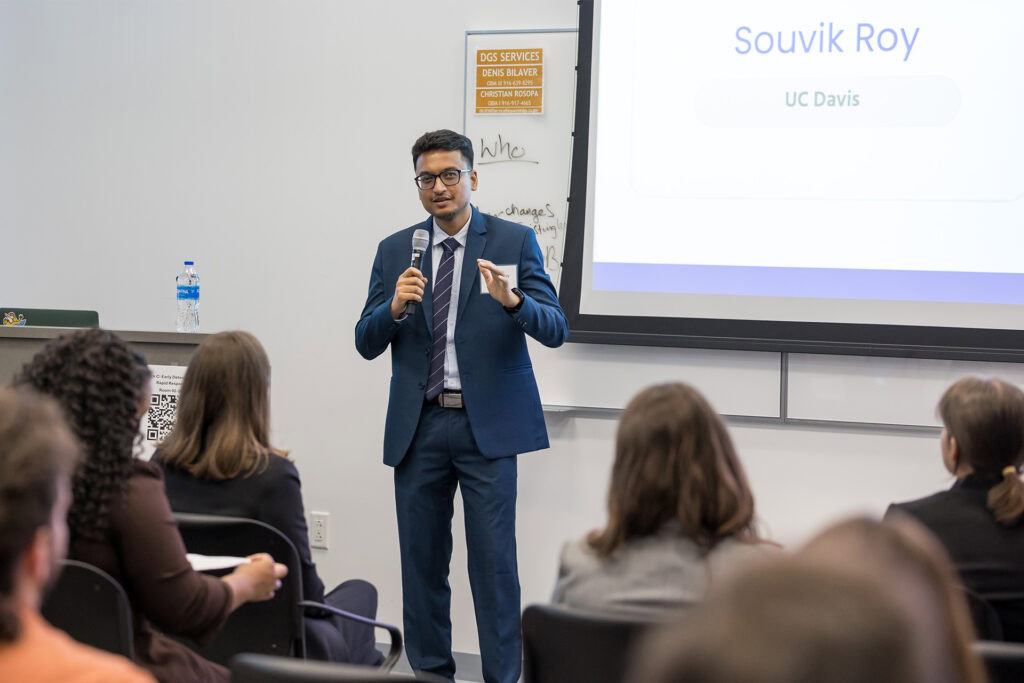
Science Translators Showcase
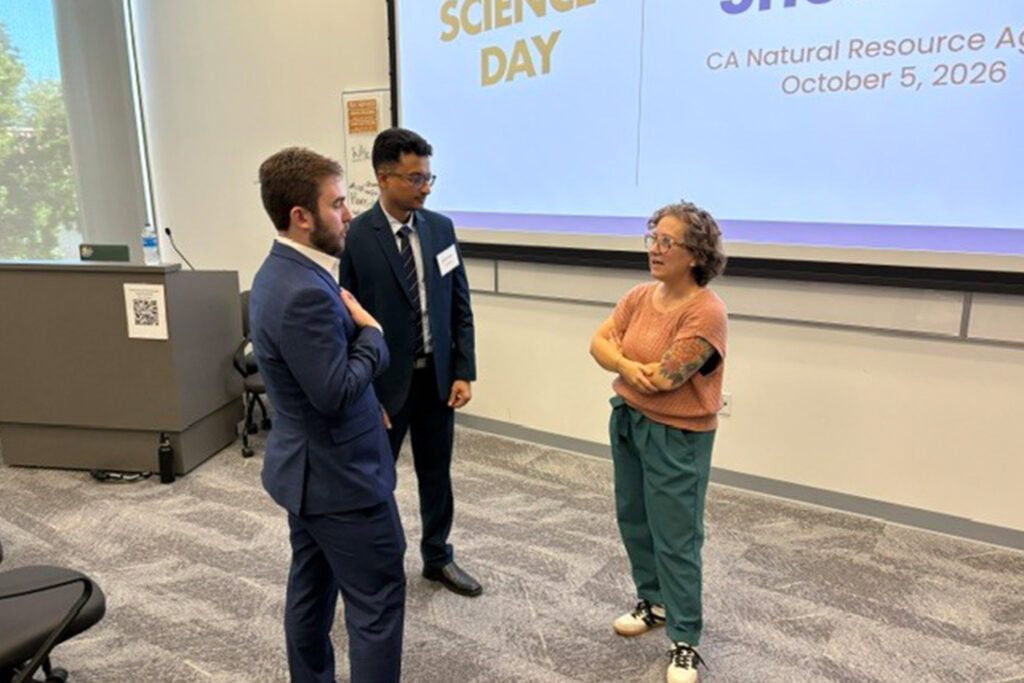
Running concurrently with the poster session CCST Hosted its annual Science Translators Showcase. Graduate students and postdoctoral scholars from CCST Partner Institutions gave a series of three-minute presentations on their research. Each presenter summarized their work, covering the research question, key findings, and relevance to issues facing California. The session was intended to highlight research underway at California institutions and to give early-career scientists experience communicating their work to policymakers. Attendees had the opportunity to speak with presenters following the session.
Photo Gallery
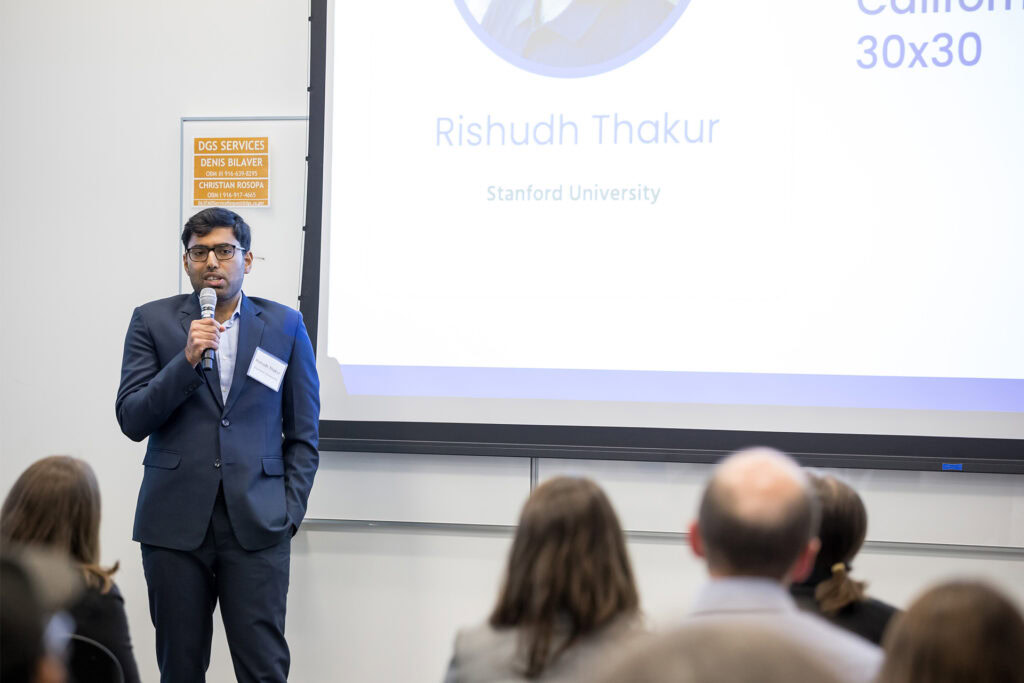
Poster Session
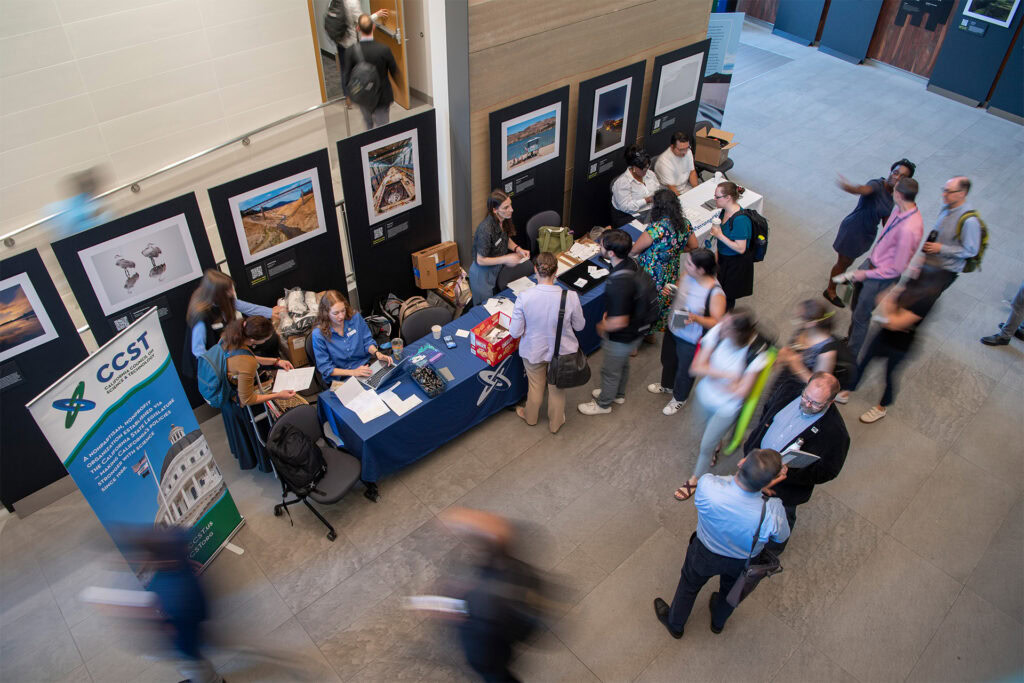
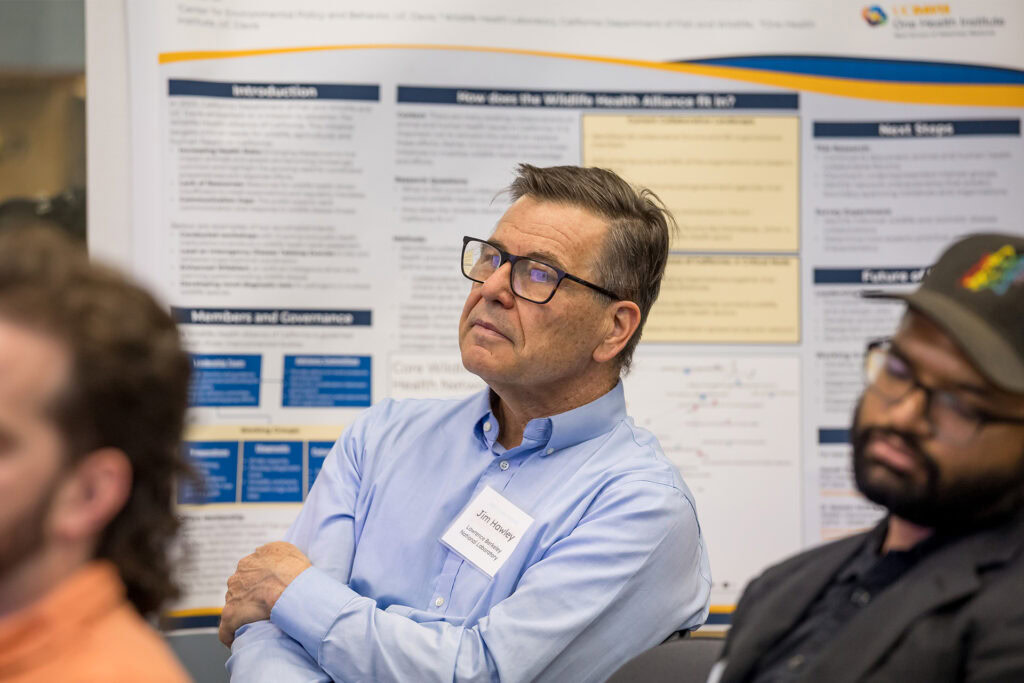
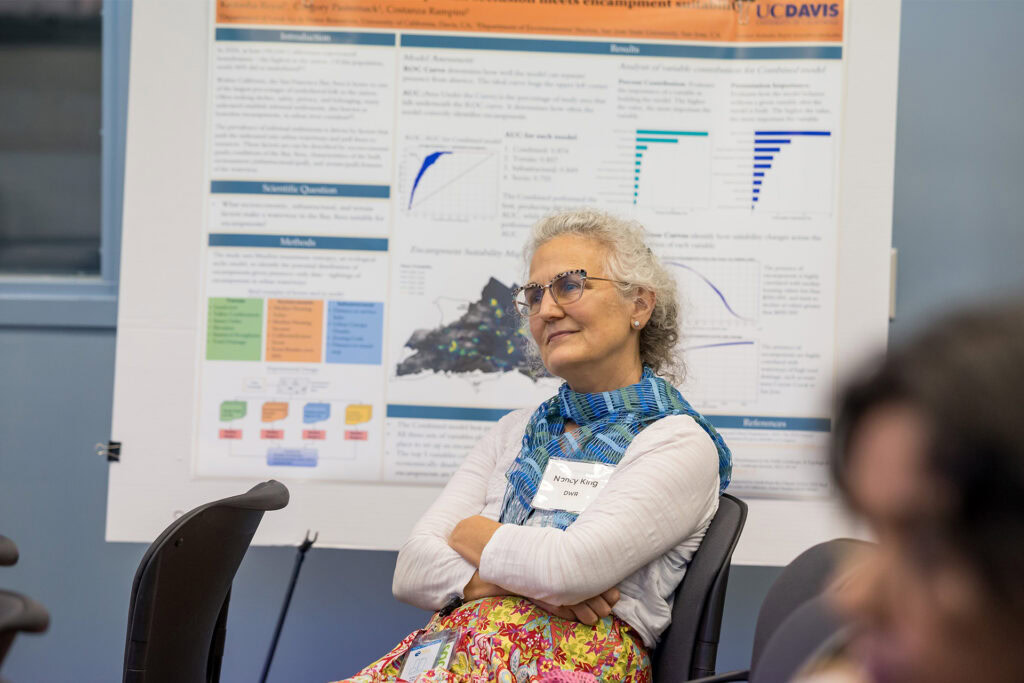
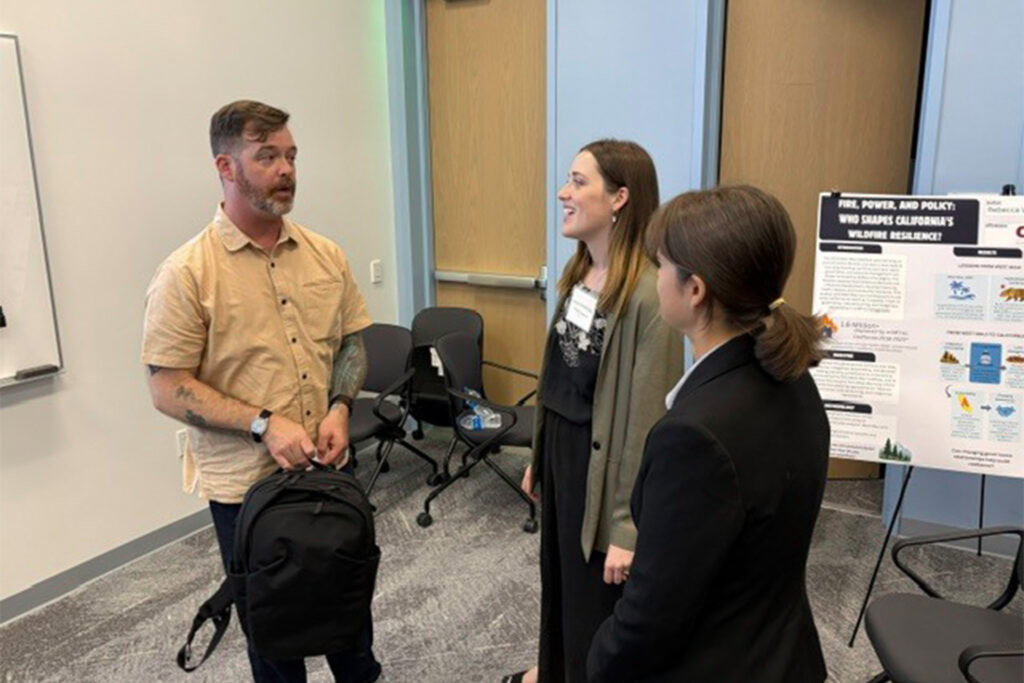
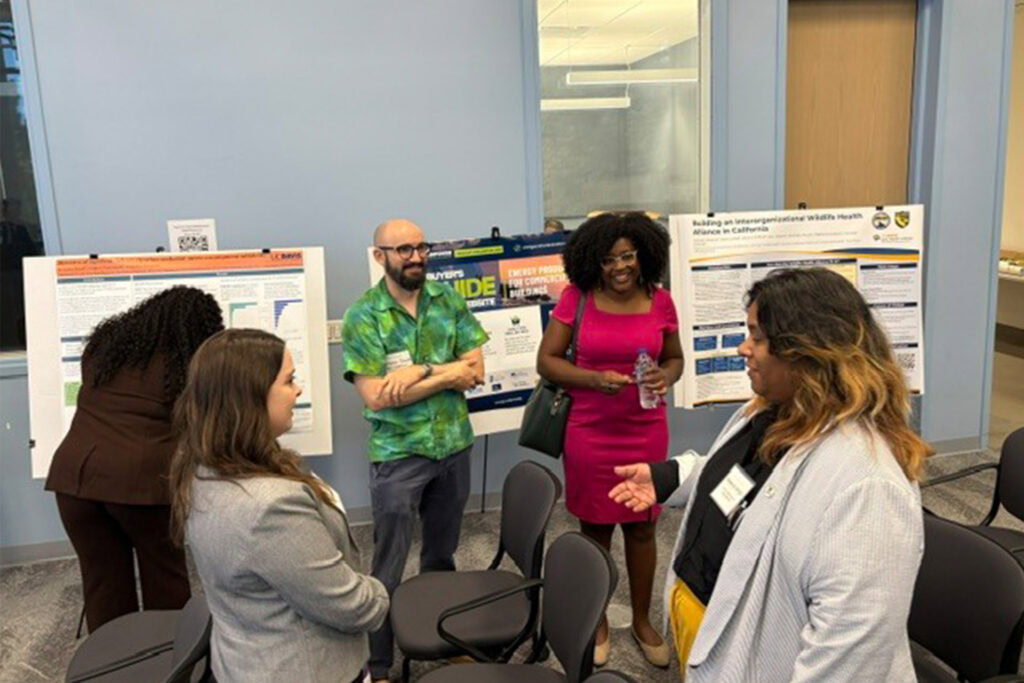
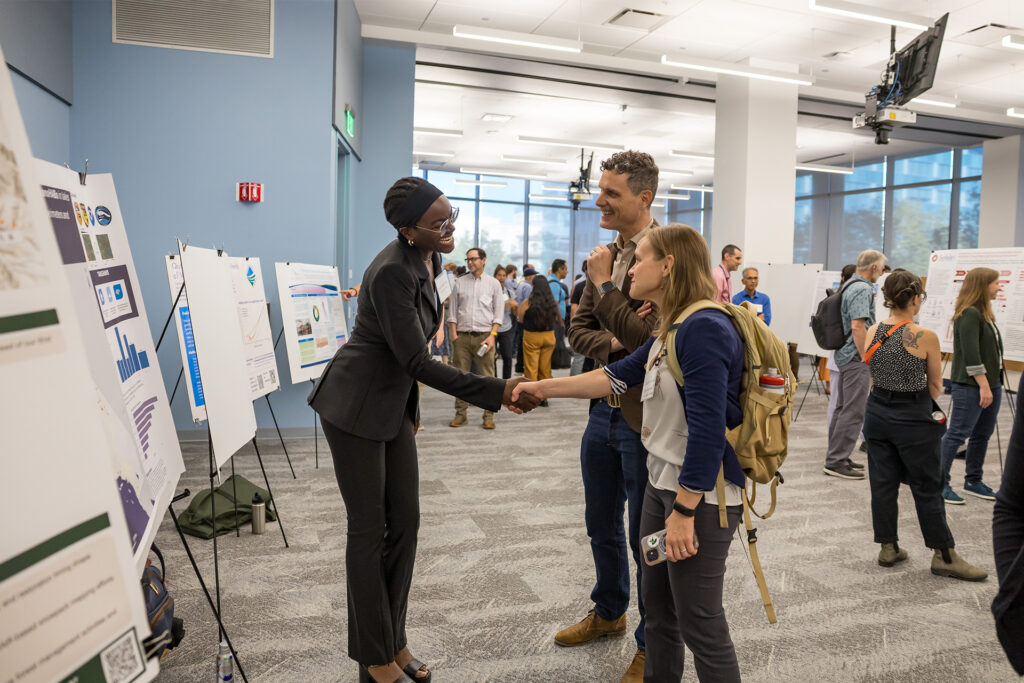
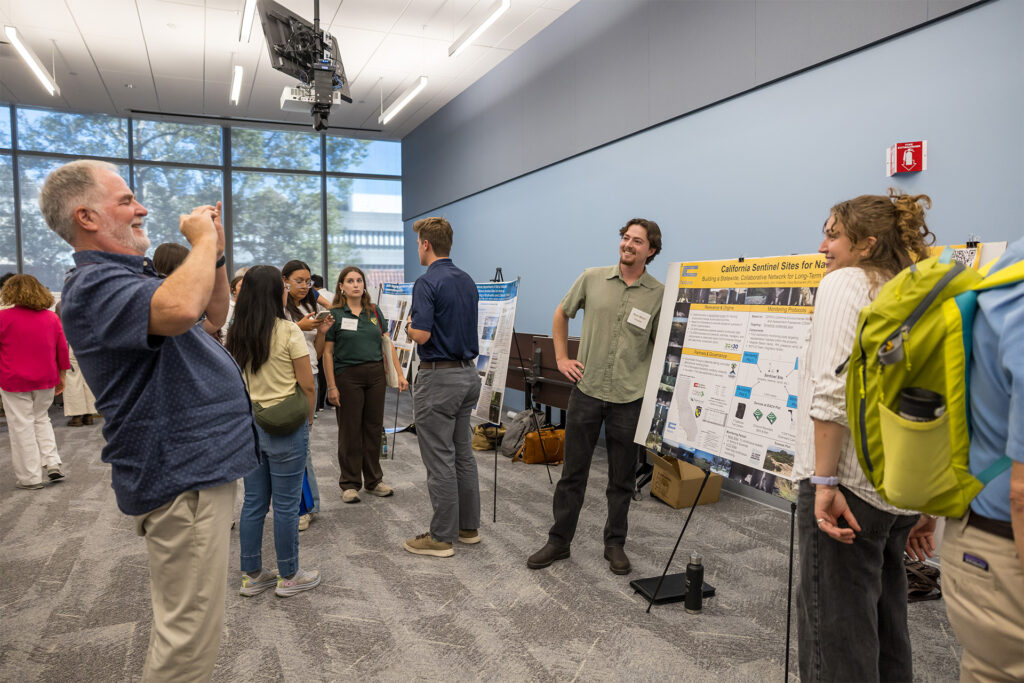
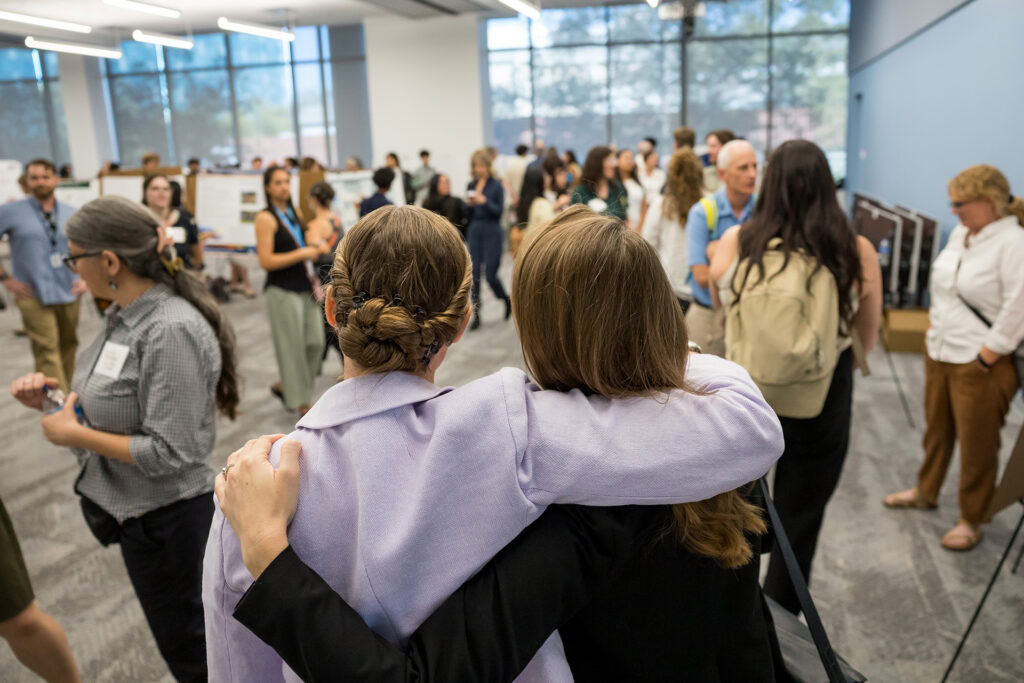
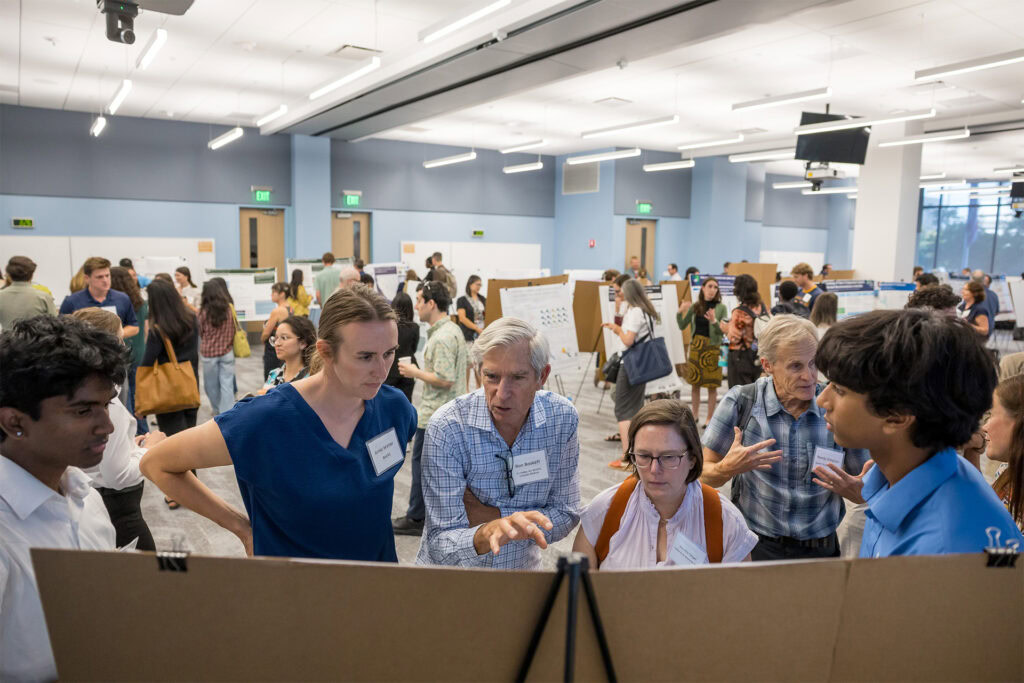
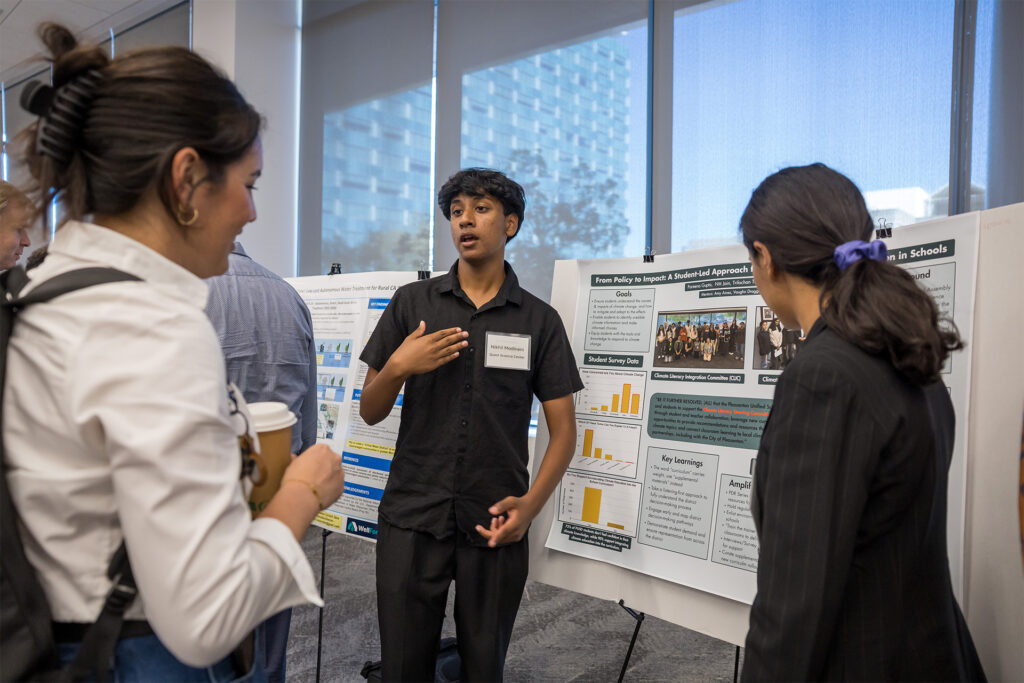
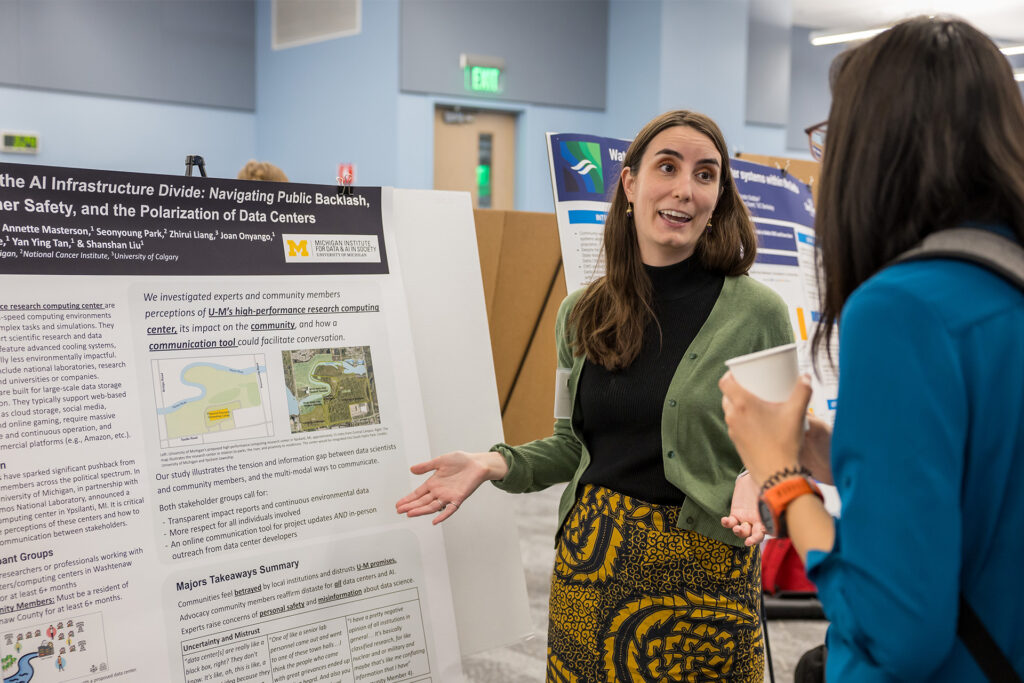
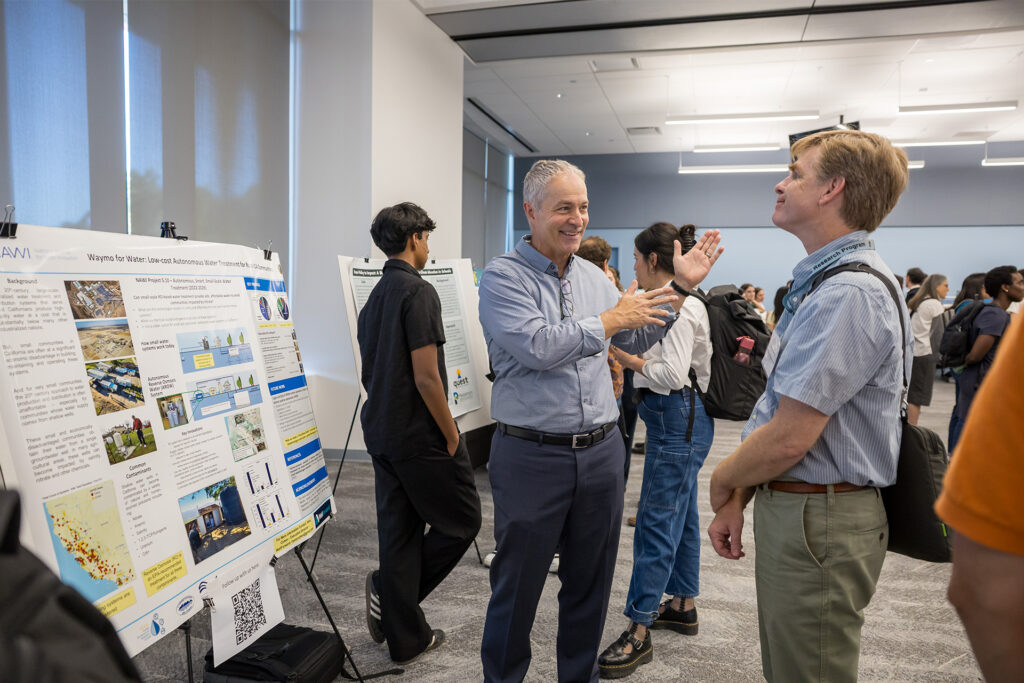
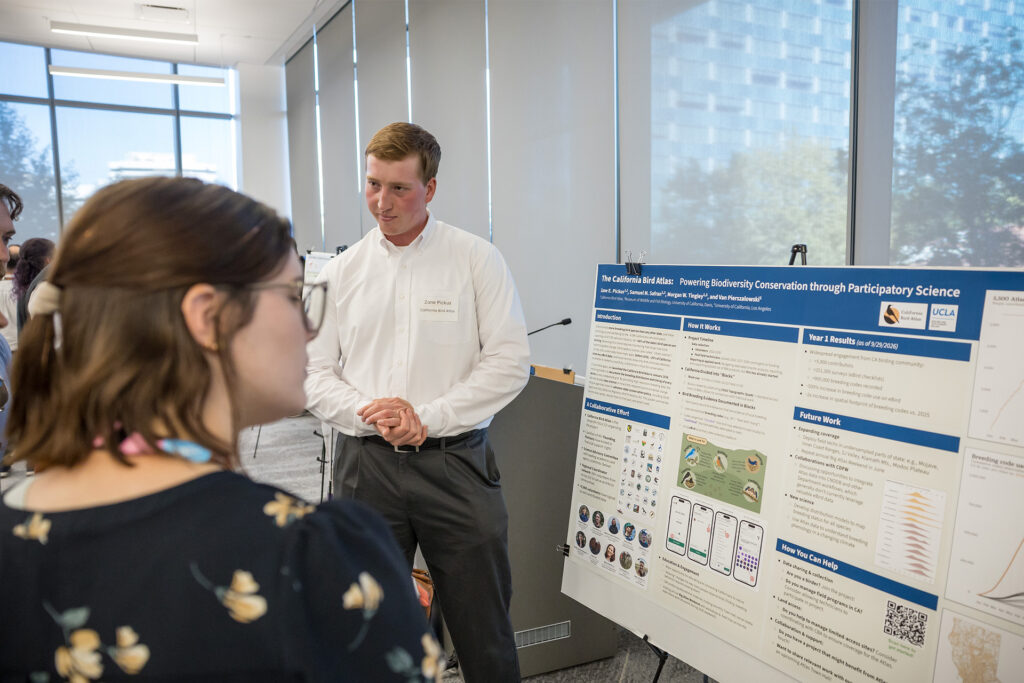
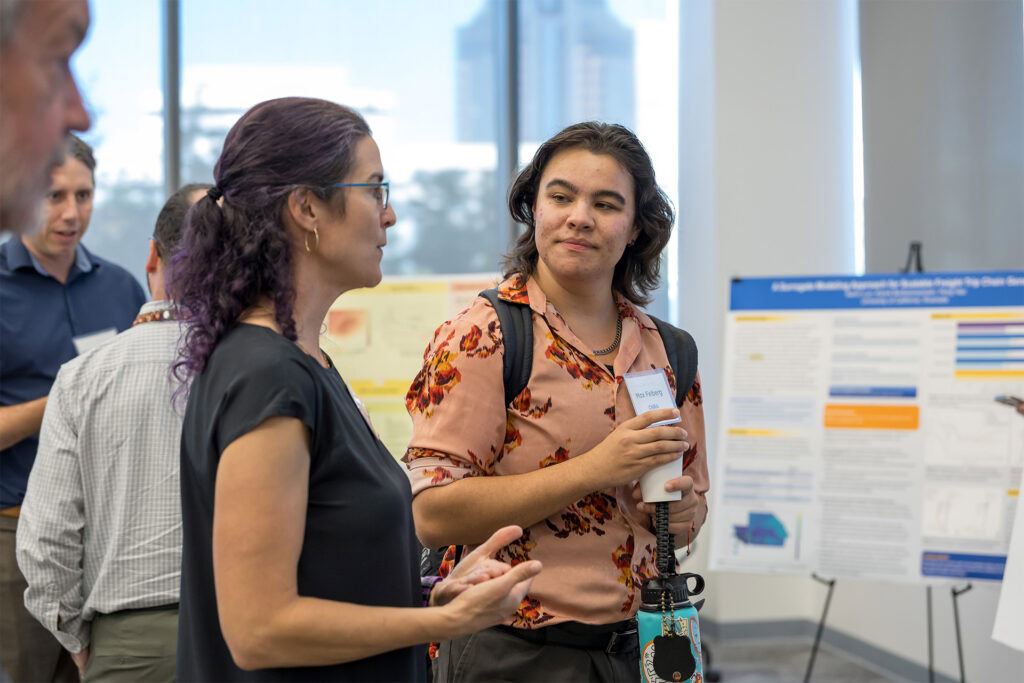
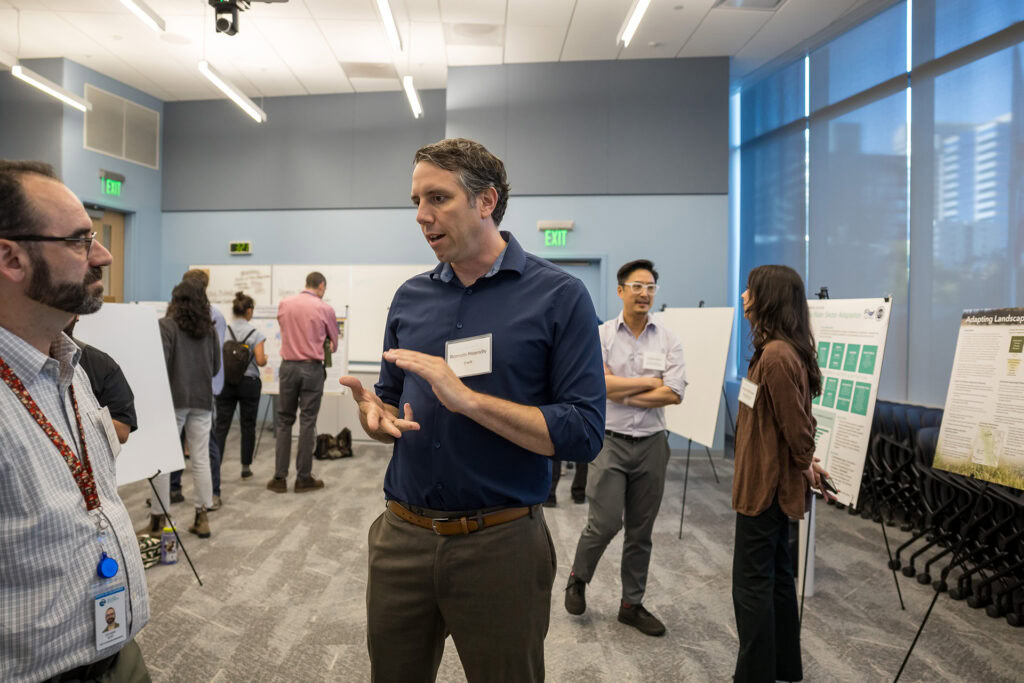
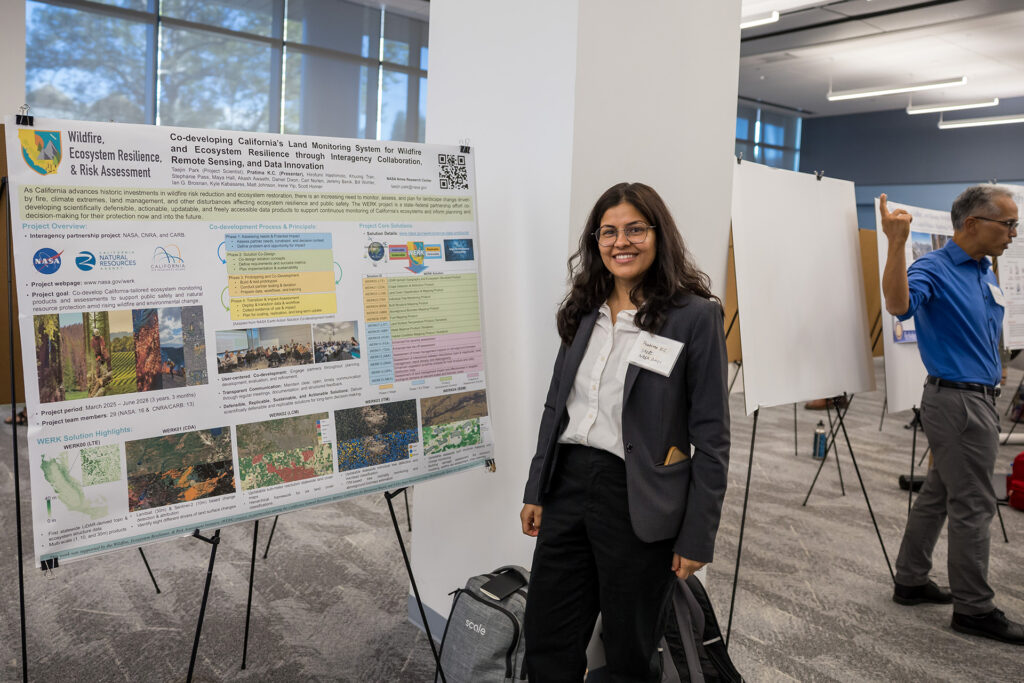
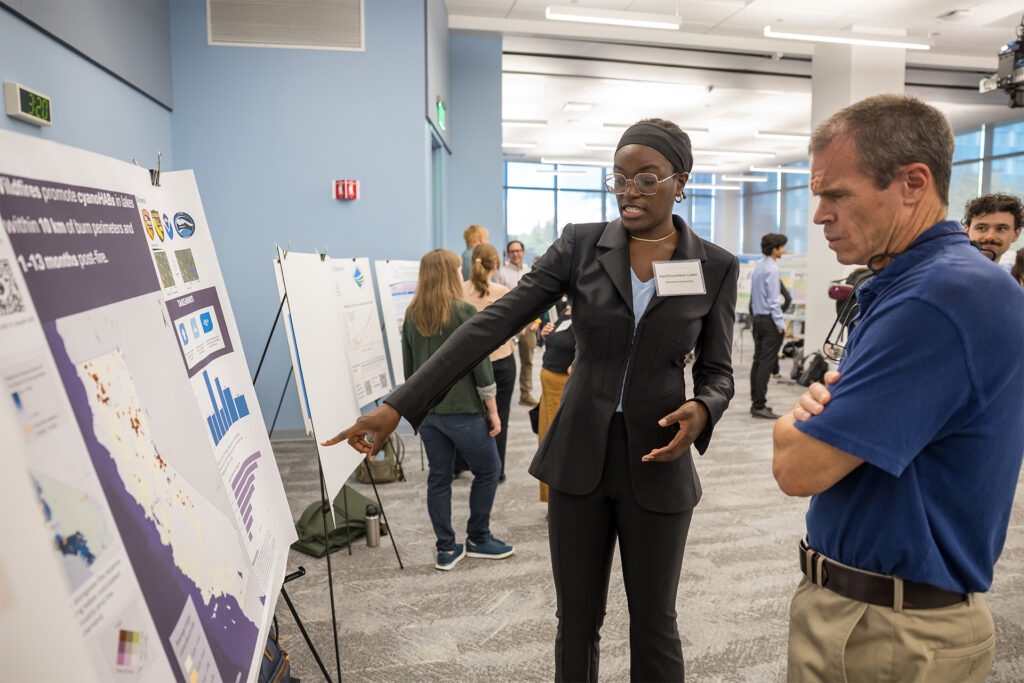
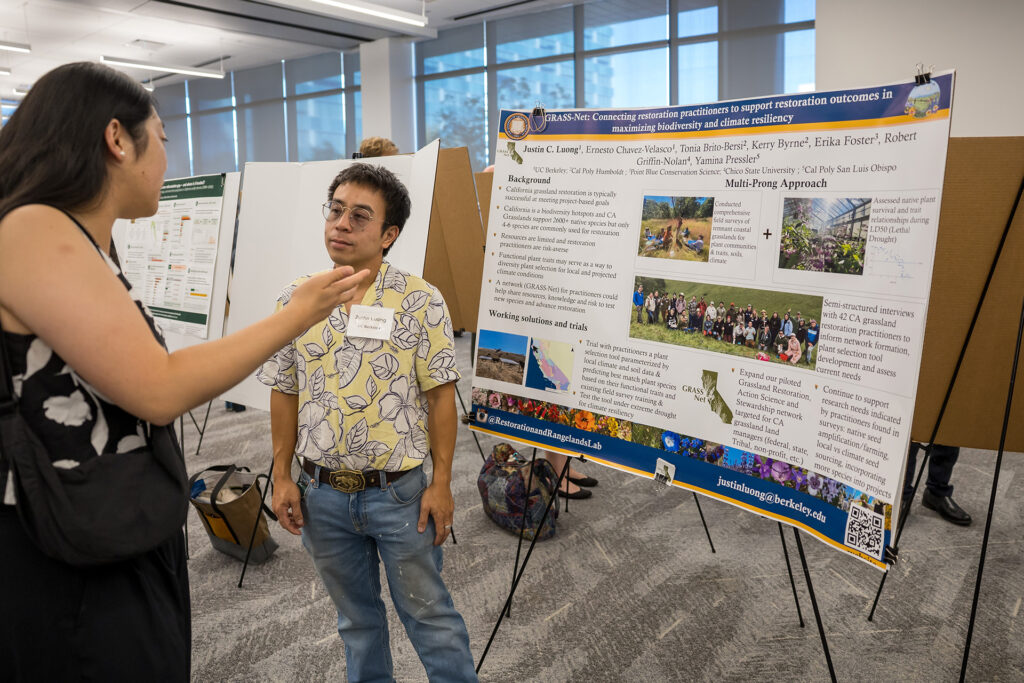
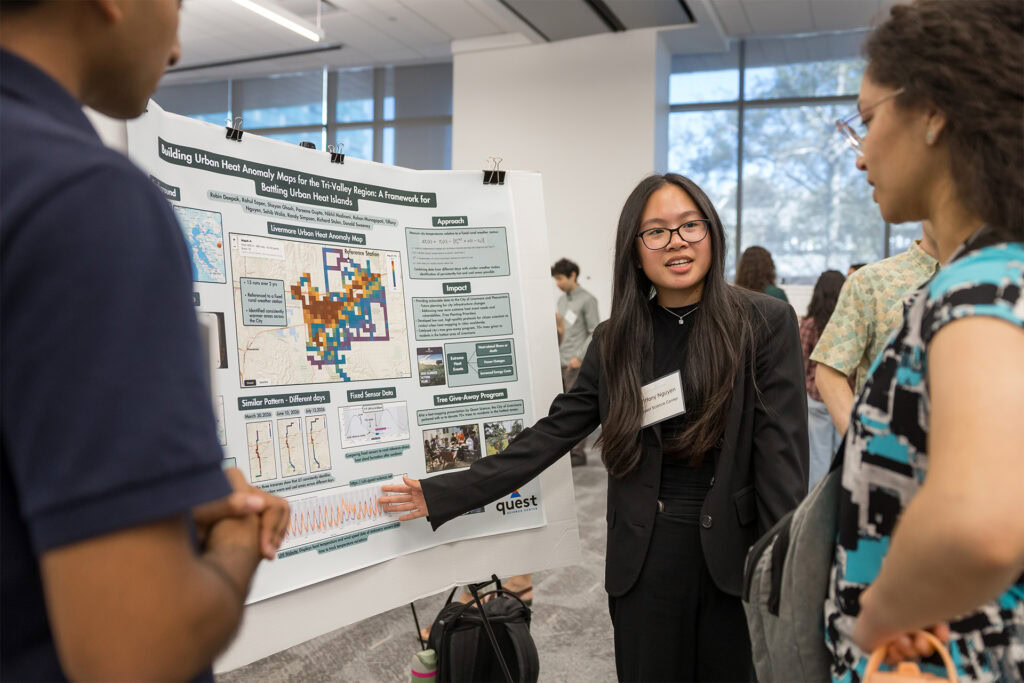
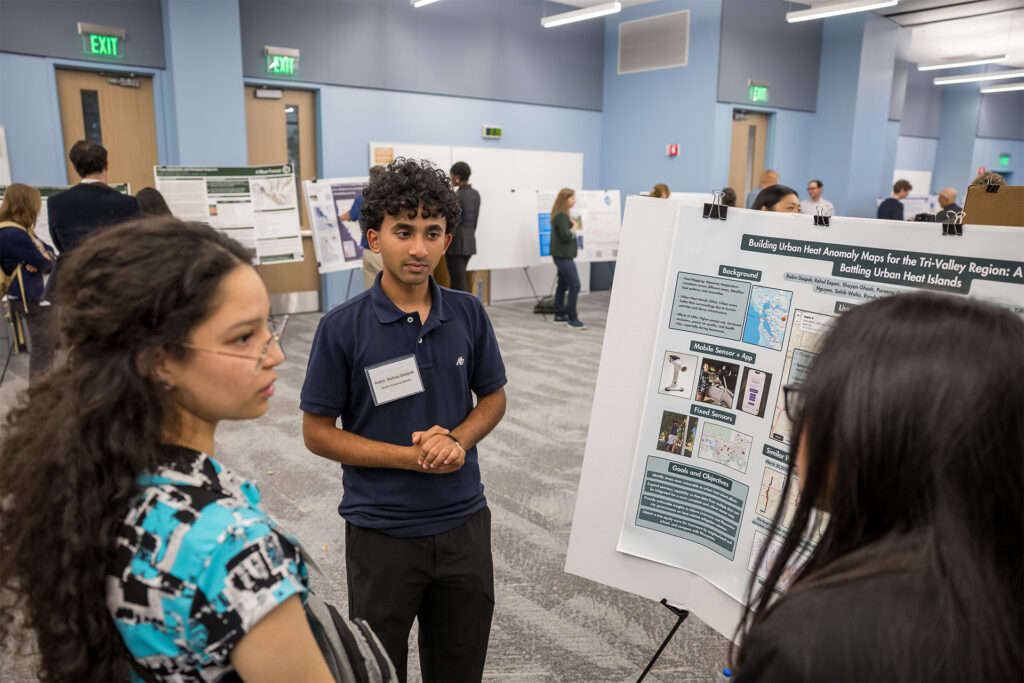
With over 60 presenters showcasing their work on the second floor of CNRA headquarters, the Poster Session served as an excellent opportunity for attendees to connect with researchers from across California’s science and policy landscape. Participants represented a range of organizations, including state and federal agencies, academic institutions, national labs, and non-profit organizations. Posters covered a broad spectrum of topics, including biodiversity, community engagement, wildfire, education, water, and energy. In true Science Day spirit, the session fostered meaningful cross-sector networking, fresh insights, and new collaborations — highlighting just a small sample of California’s vibrant research enterprise.
Photo Gallery
Plenary Session: Advancing Partnerships Between Tribal Knowledge and Western Science
Overview
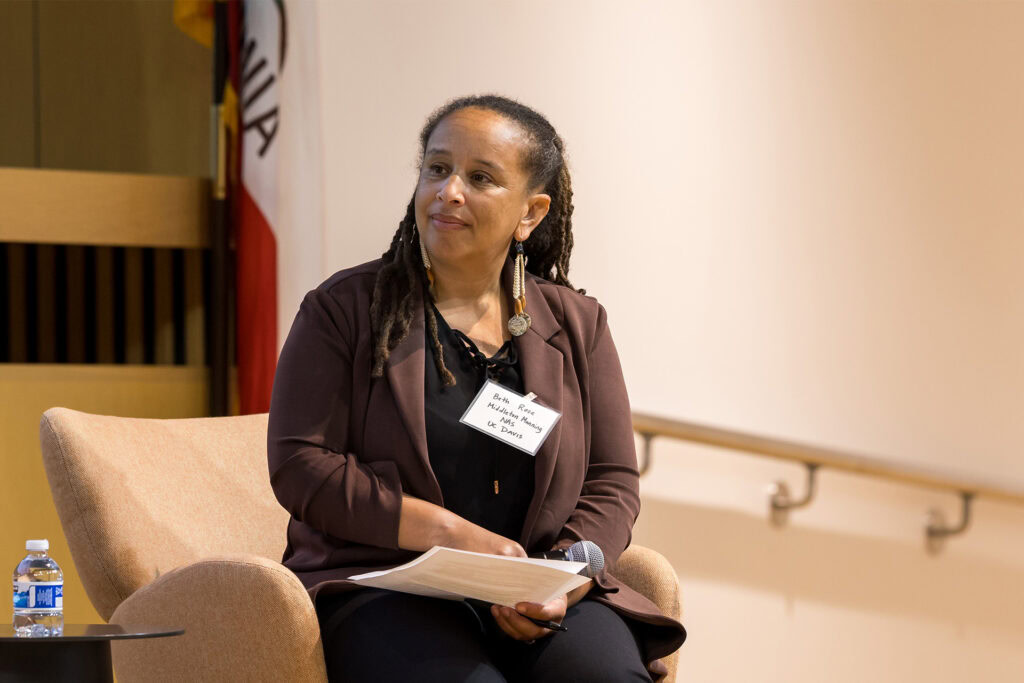
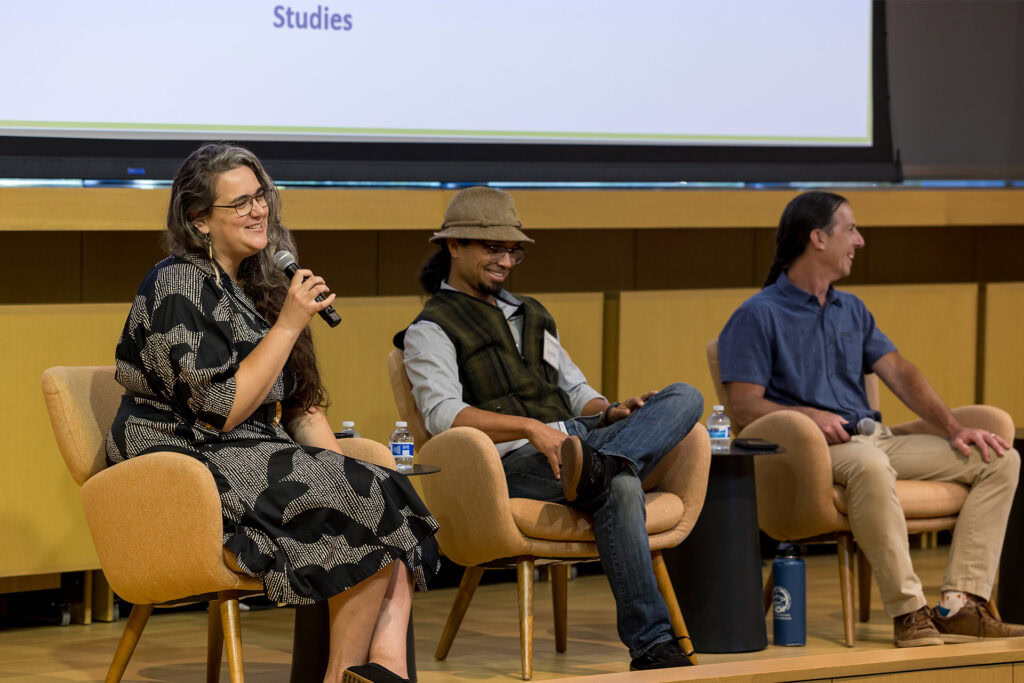
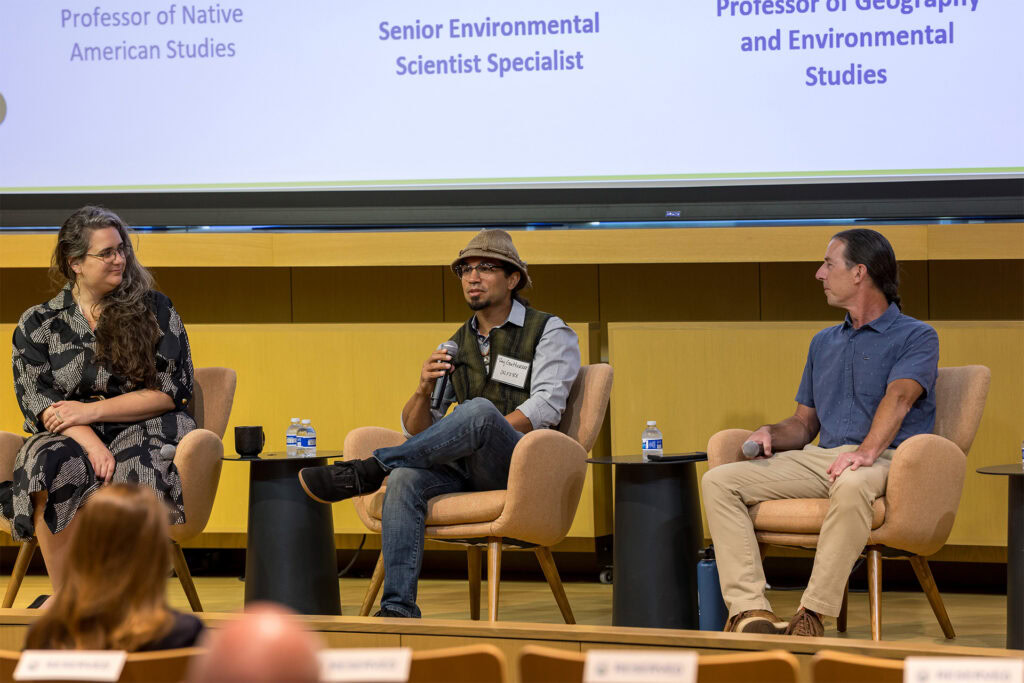
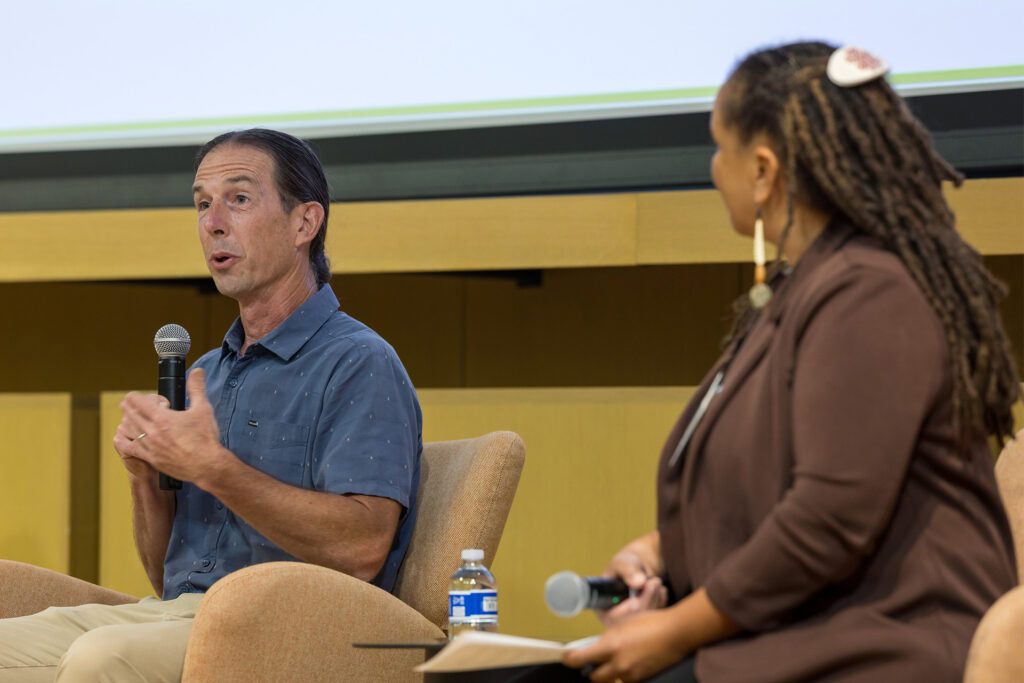
On day two of the event, this panel explored how Tribal knowledge and Western science can work in partnership, grounded in respect for Tribal sovereignty. California Native peoples have stewarded the lands and waters of this state since time immemorial, developing deep, place-based knowledge through generations of observation, practice, and relationship. Today, the State is increasingly recognizing the value of Tribal Ecological Knowledge in addressing urgent challenges, from wildfire and drought to biodiversity loss and climate adaptation.Panelists shared lessons from cultural burning, co-management, and state policy efforts, and discussed what it takes to build partnerships in which Indigenous knowledge holders are leaders and decision-makers, not only contributors.
Panelists
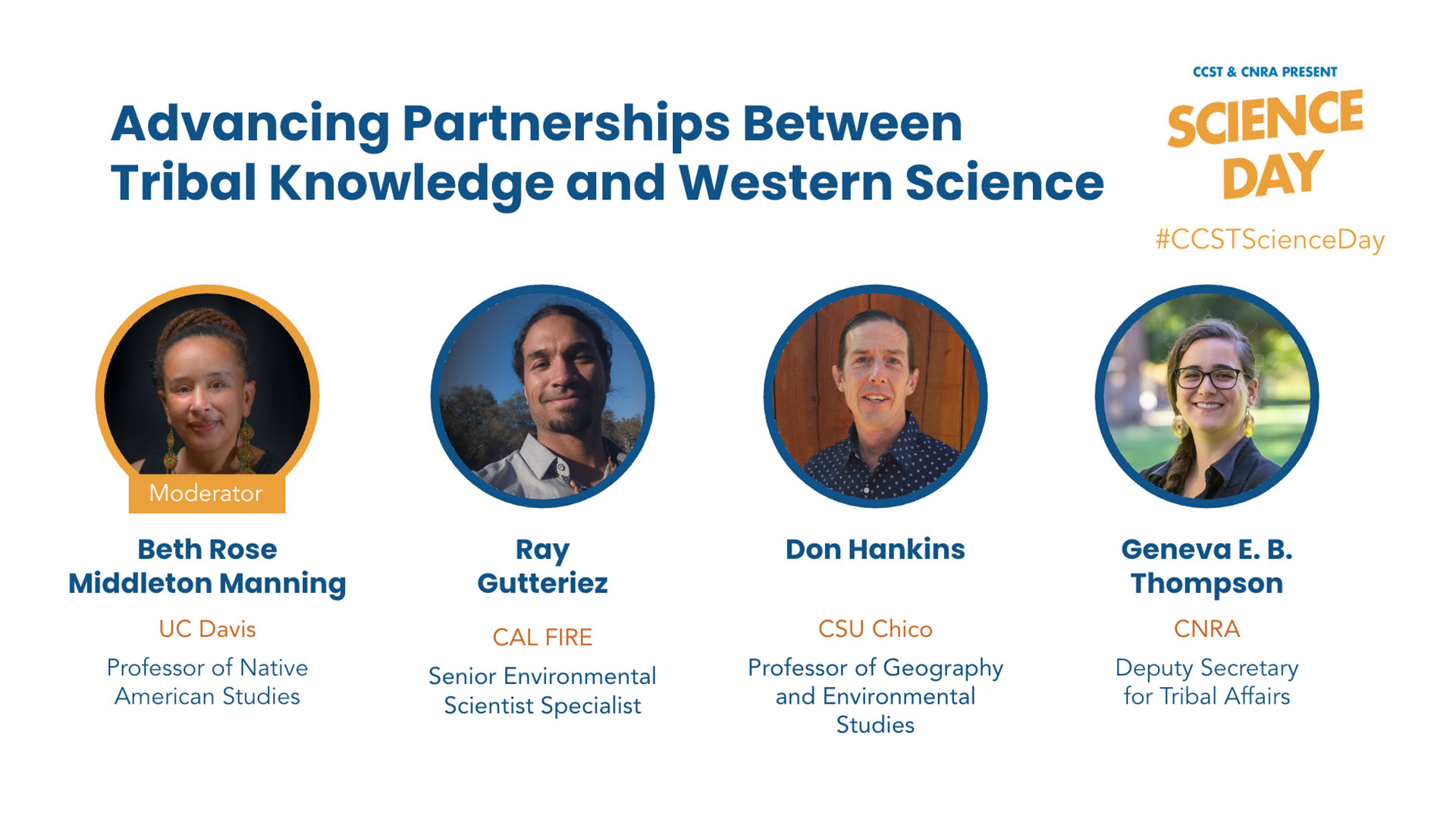
Photo Gallery
###
About Science Day
Science Day aims to connect state-level science and policy with the incredible research happening in universities, labs, and other research institutions across California. Through exploring the various initiatives being implemented by different state agencies, this effort seeks to develop new or expanded opportunities to support California in achieving its climate goals.
About CCST
The California Council on Science and Technology is a nonpartisan, nonprofit organization that engages leading experts in science and technology to advise State policymakers — ensuring that California policy is strengthened and informed by scientific knowledge, research, and innovation. Established via a unanimous vote of the California State Legislature, CCST has been making California’s policies stronger with science and technology since 1988.