CCST Annual Report 2024-25

Convening Proceedings
Proceedings
Published: January 12, 2026 (Last Updated: January 12, 2026)
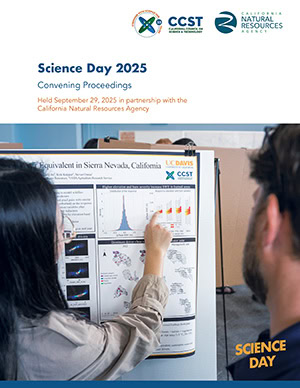
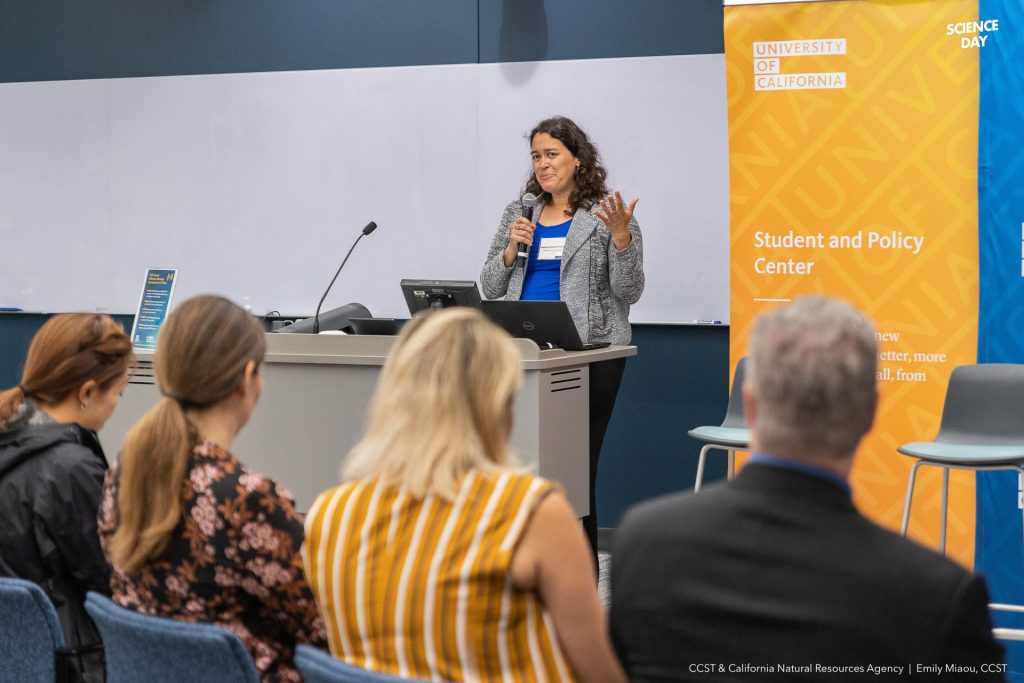
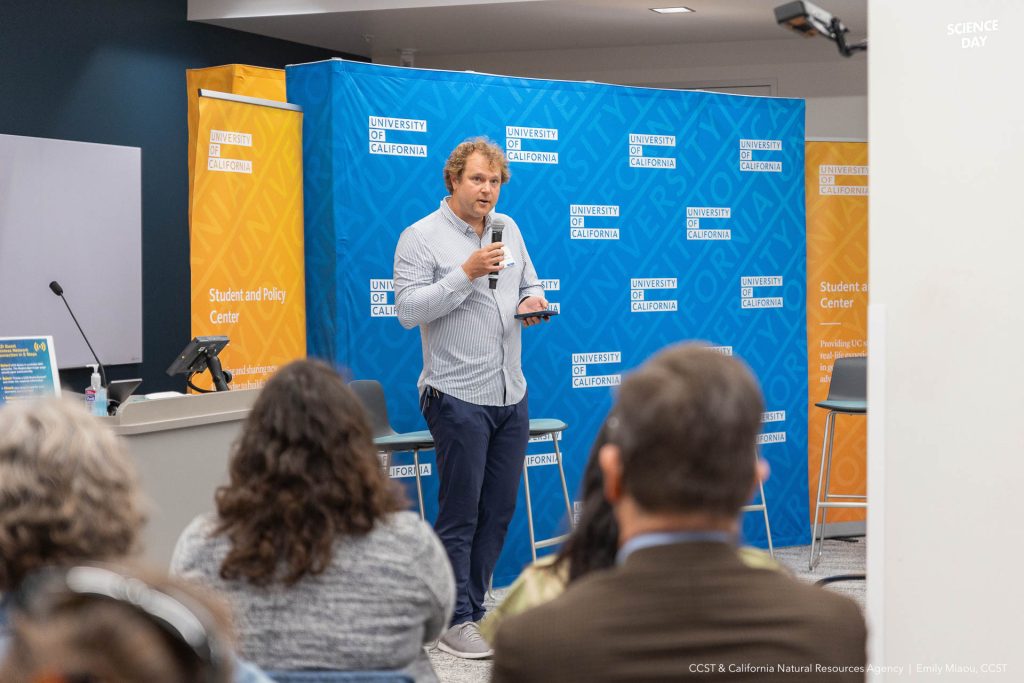
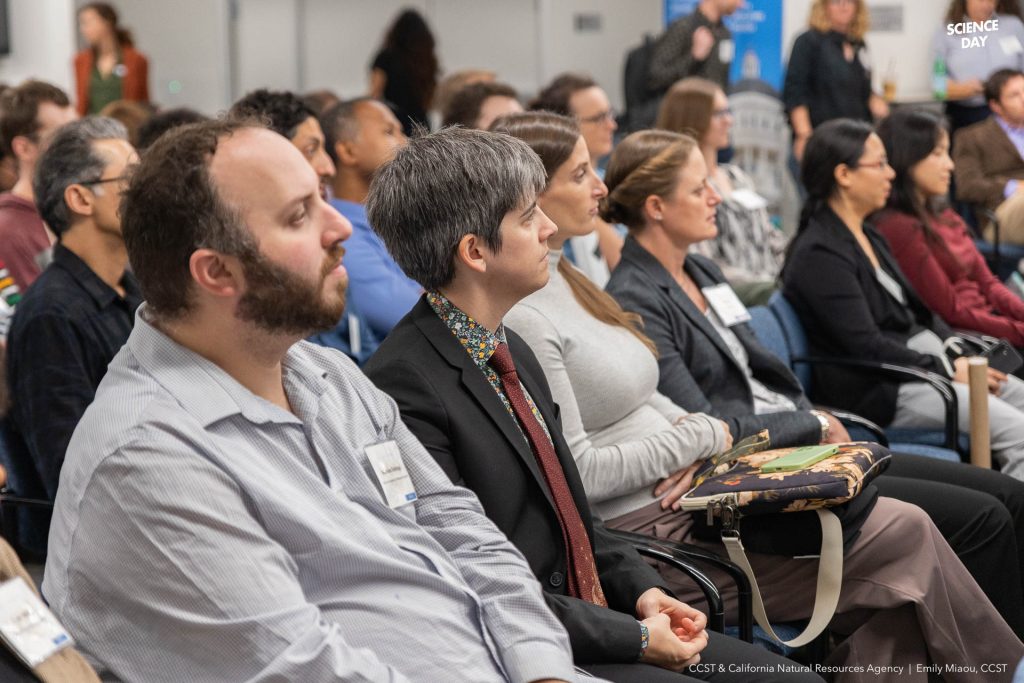
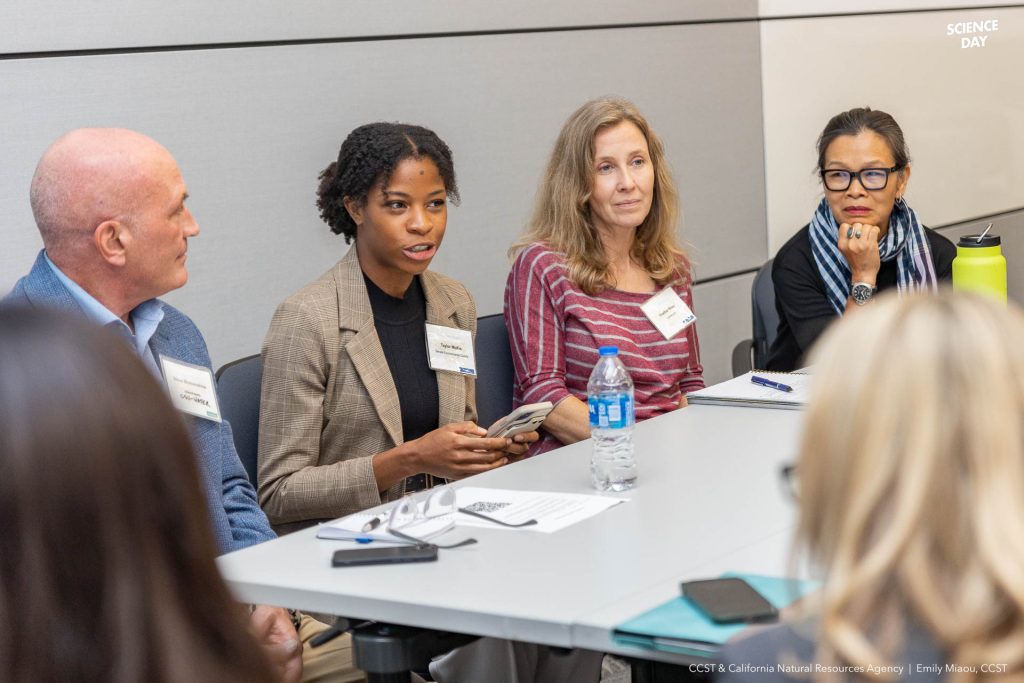
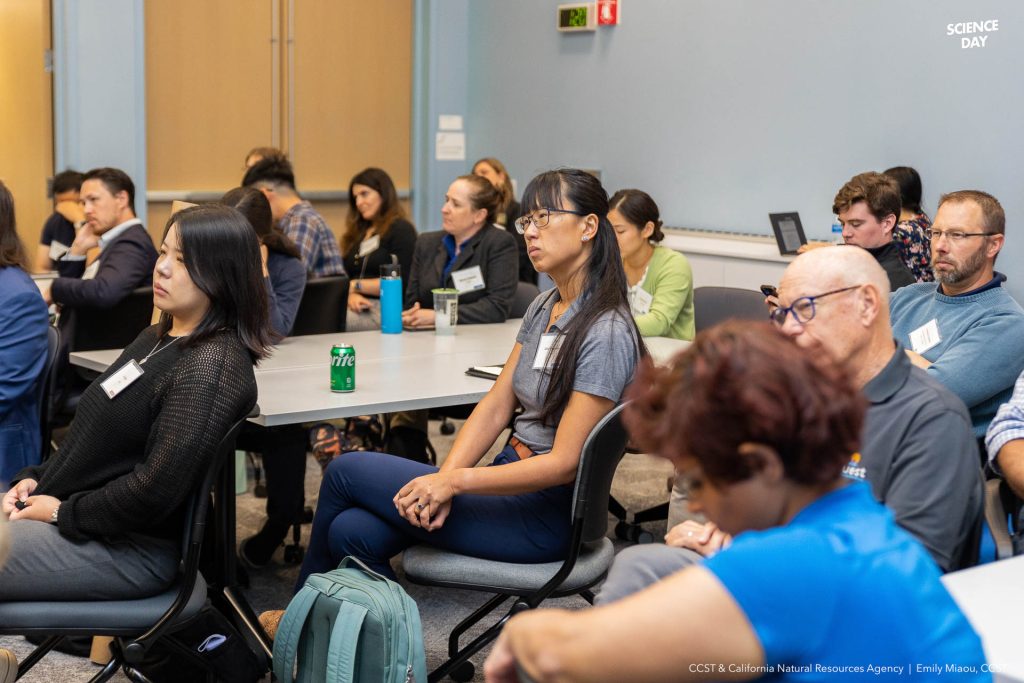
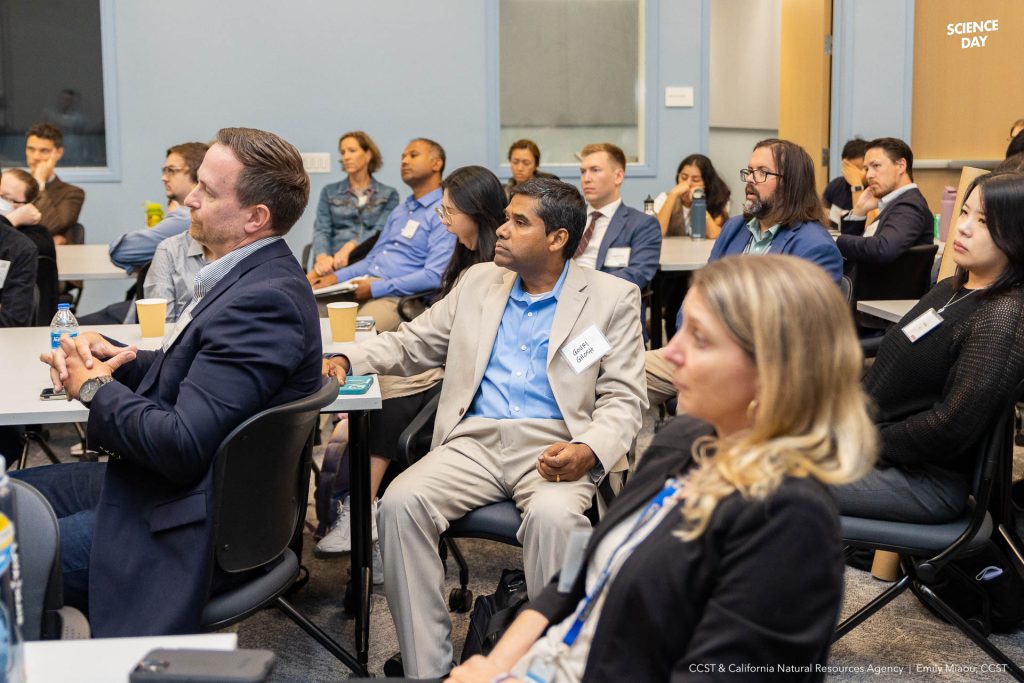
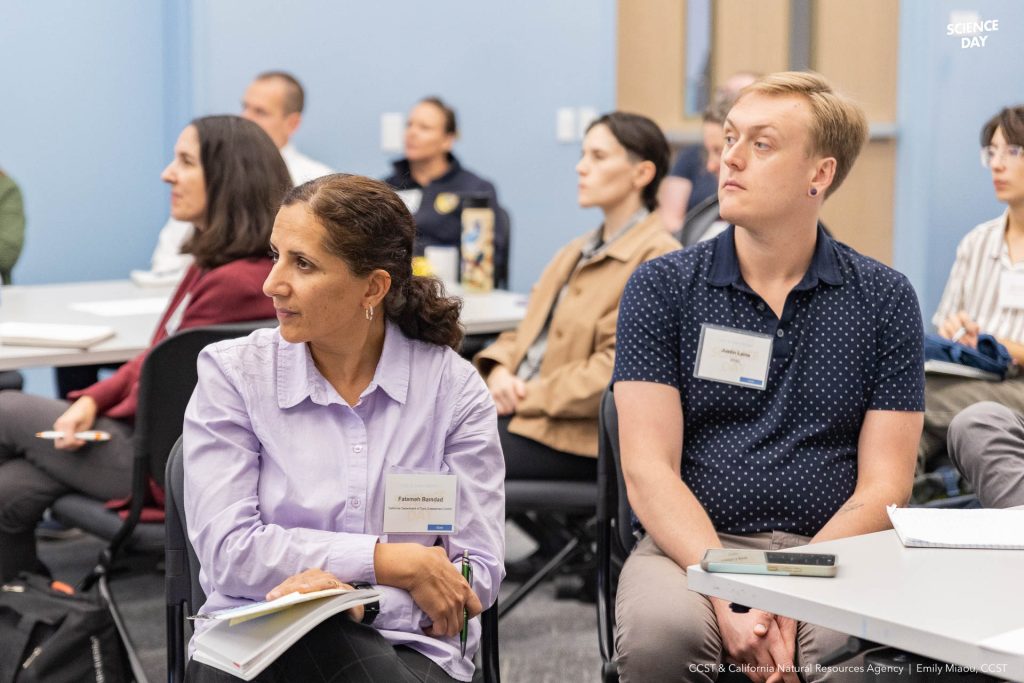
On September 29, 2025, the California Council on Science and Technology (CCST) partnered with the California Natural Resources Agency (CNRA) to host the third annual Science Day. This year’s event builds on successful iterations in 2023 and 2024, both co-organized with CNRA and focused on the role of science-policy partnerships in furthering California’s disaster resilience, climate action, biodiversity conservation, and clean energy goals. Science Day 2025 welcomed more than 400 participants representing numerous state government agencies, universities, research institutions, community groups, and—for the first time—high school students. Science Day is designed to bridge the gap between state-level science policy and the groundbreaking research taking place across California’s universities, laboratories, and research institutions. By showcasing the diverse initiatives being implemented by state agencies, this annual convening creates opportunities for collaboration and knowledge exchange that support California in achieving its ambitious climate and environmental goals. This year’s event brought together policymakers, researchers, and stakeholders from across the state and beyond to explore innovative solutions and strengthen the connection between scientific discovery and practical policy implementation.
CNRA Partners:
Photographers:
Authors: Oyewole, O., Bolivar, J., MkNelly, B., Harper, D., Thompson, J., Chu, E., Shybut, M.
Partners:
Video:
Suggested Citation: Oyewole, O., Bolivar, J., MkNelly, B., Harper, D., Thompson, J., Chu, E., Shybut, M. 2025. Science Day 2025: Convening Proceedings. Sacramento, CA: California Council on Science and Technology. DOI: https://doi.org/10.63429/sptb3480
On September 29, 2025, the California Council on Science and Technology (CCST) partnered with the California Natural Resources Agency (CNRA) to host the third annual Science Day. This year’s event builds on successful iterations in 2023 and 2024, both co-organized with CNRA and focused on the role of science-policy partnerships in furthering California’s disaster resilience, climate action, biodiversity conservation, and clean energy goals. Science Day 2025 welcomed more than 400 participants representing numerous state government agencies, universities, research institutions, community groups, and—for the first time—high school students.
Science Day is designed to bridge the gap between state-level science policy and the groundbreaking research taking place across California’s universities, laboratories, and research institutions. By showcasing the diverse initiatives being implemented by state agencies, this annual convening creates opportunities for collaboration and knowledge exchange that support California in achieving its ambitious climate and environmental goals. This year’s event brought together policymakers, researchers, and stakeholders from across the state and beyond to explore innovative solutions and strengthen the connection between scientific discovery and practical policy implementation.
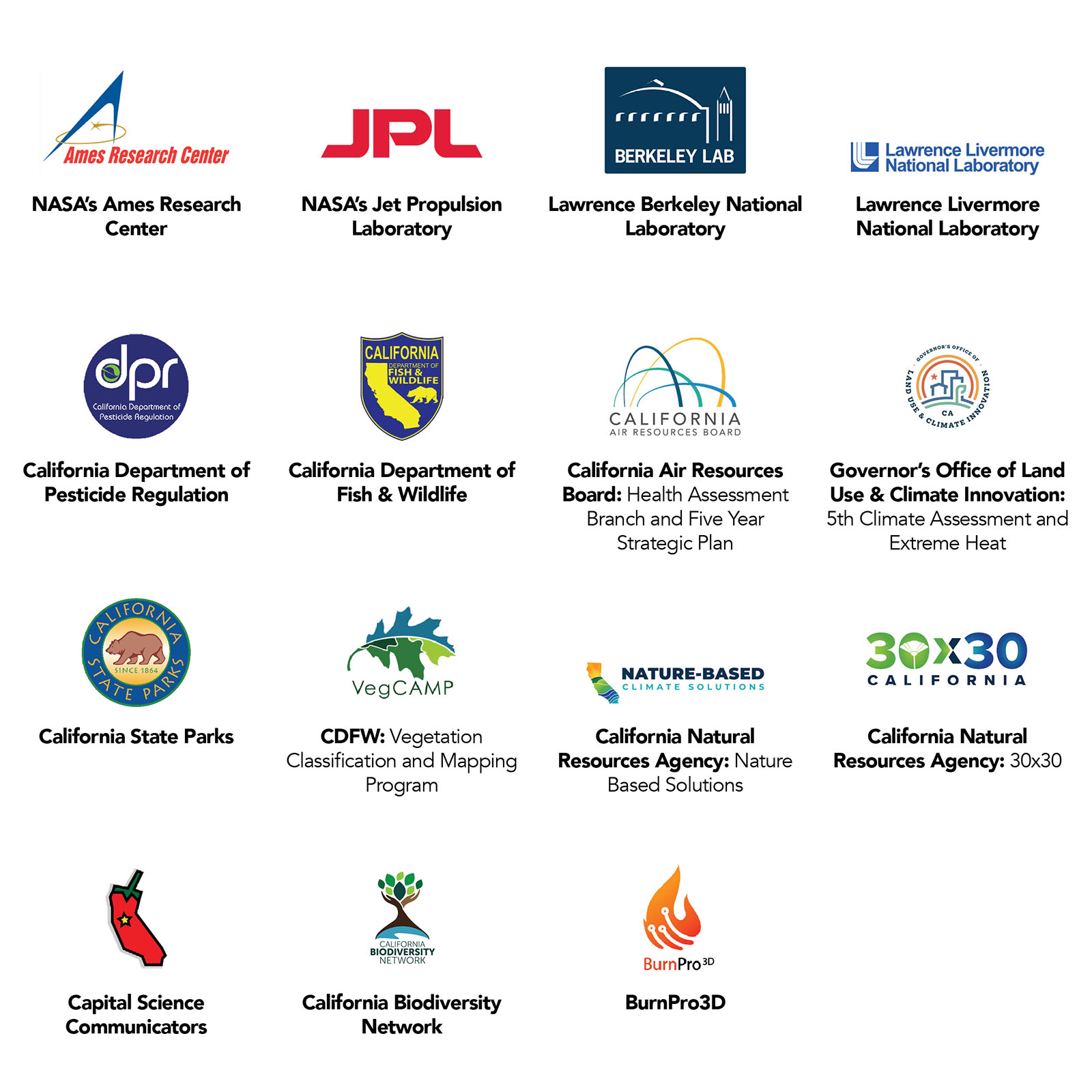
The day opened with a keynote panel moderated by CNRA Secretary Wade Crowfoot, examining how cross-agency, academic, and community partnerships are being built and sustained to strengthen California’s resilience to the impacts of climate change. Panelists discussed two representative collaborative projects: California’s Fifth Climate Change Assessment and the Wildfire Ecosystem Resilience and Risk Assessment (WERK) program, a partnership between CNRA, the California Air Resources Board (CARB), and NASA Ames Research Center.
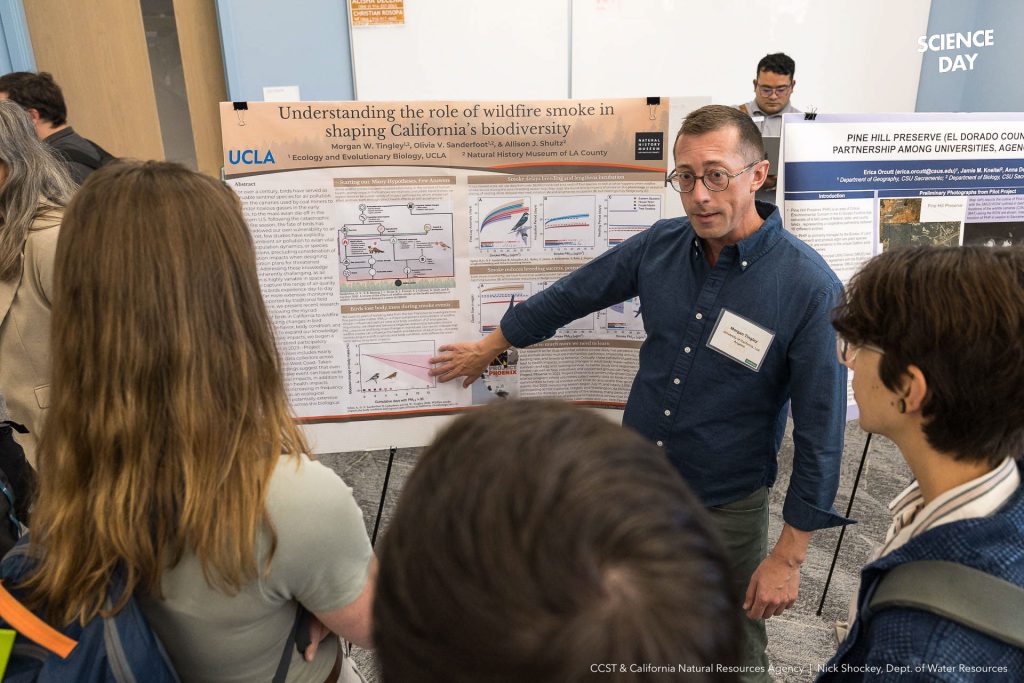
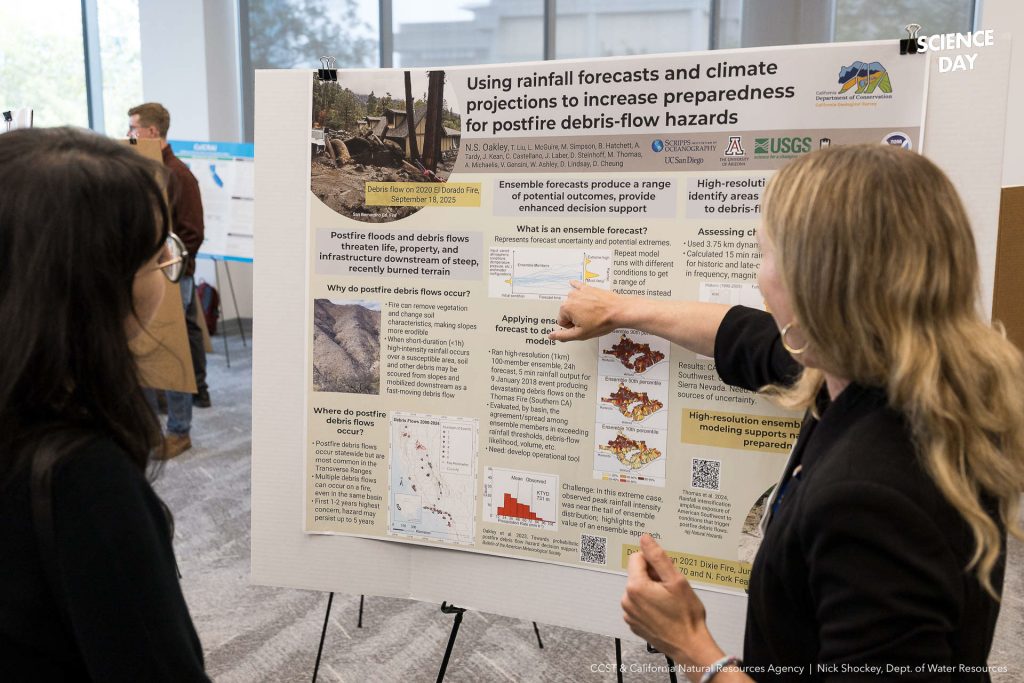
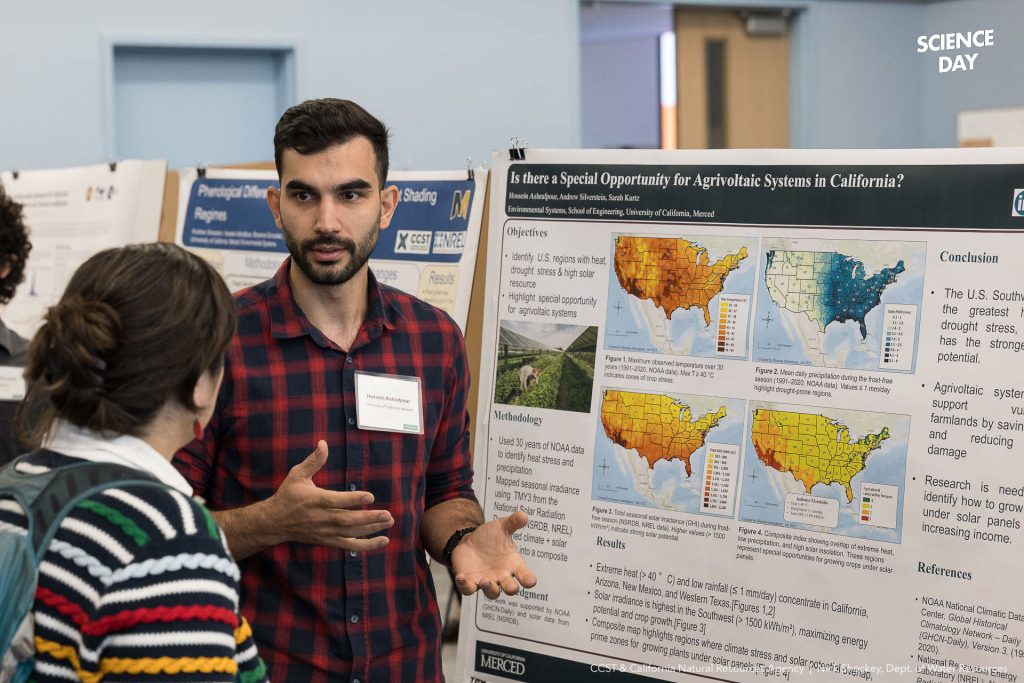
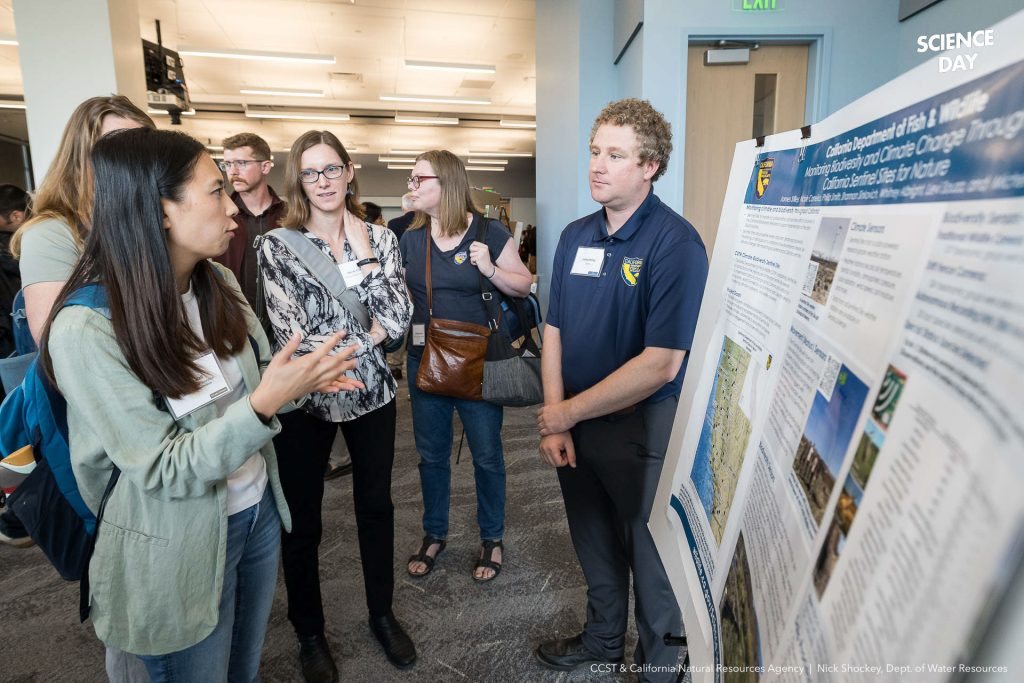
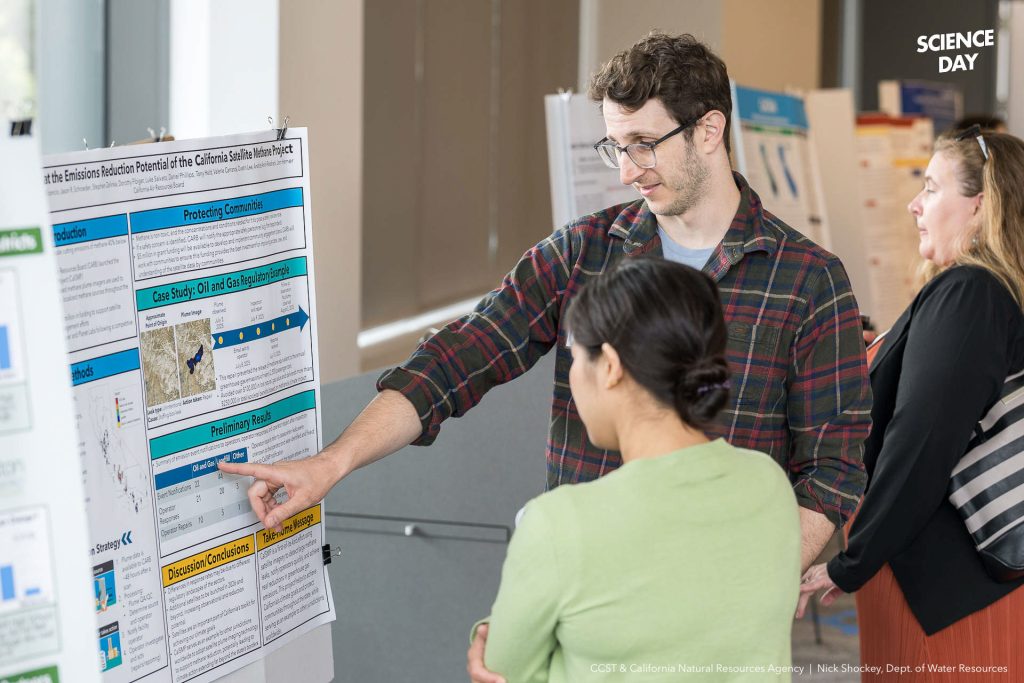
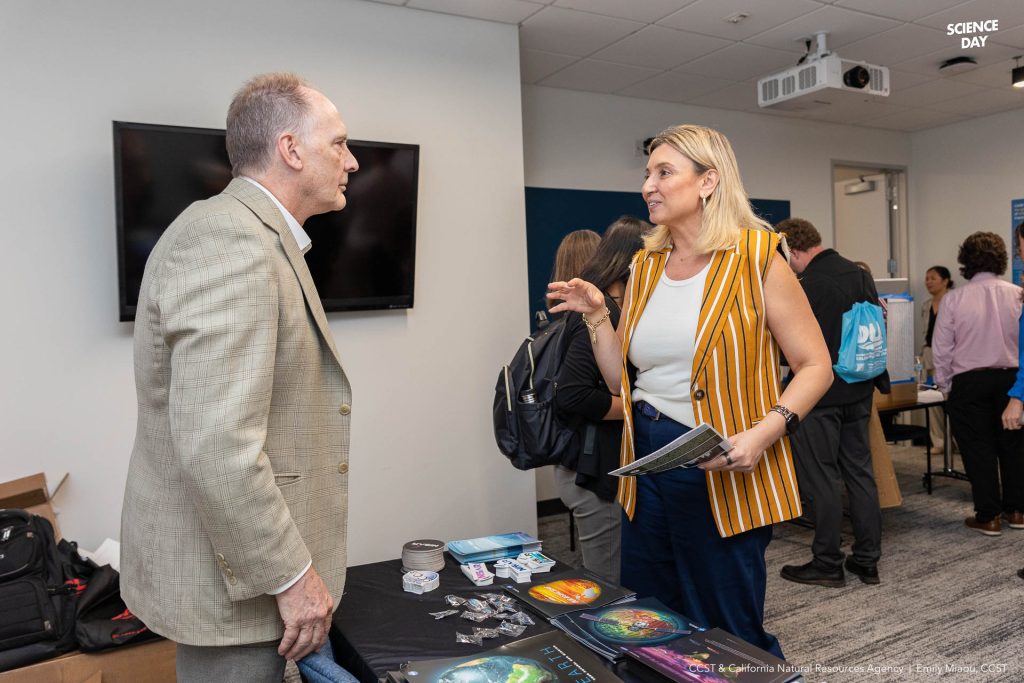
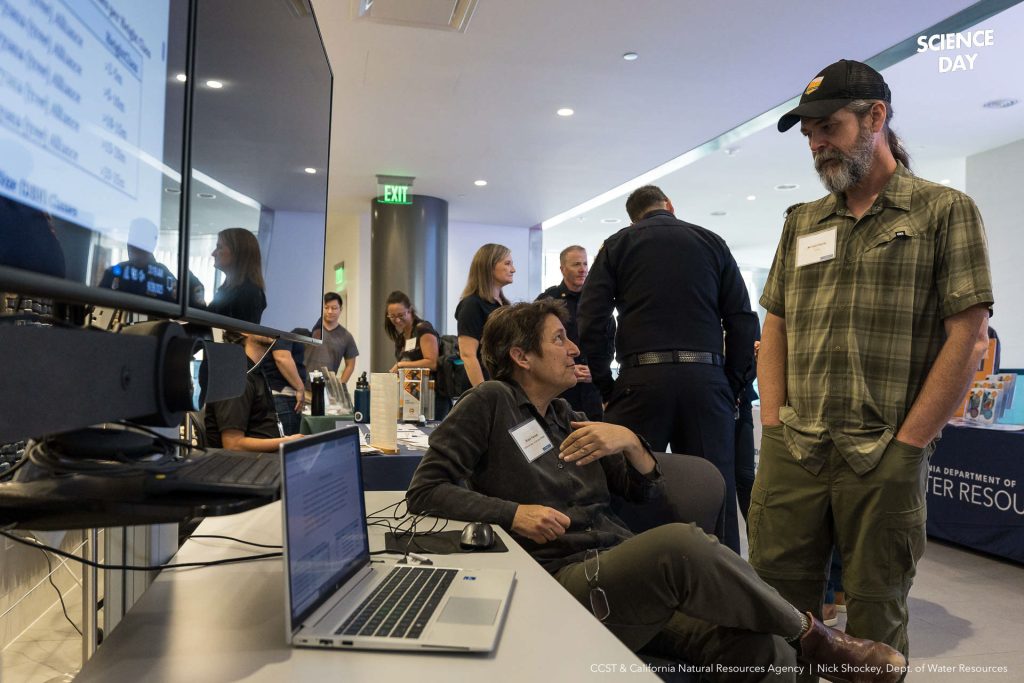
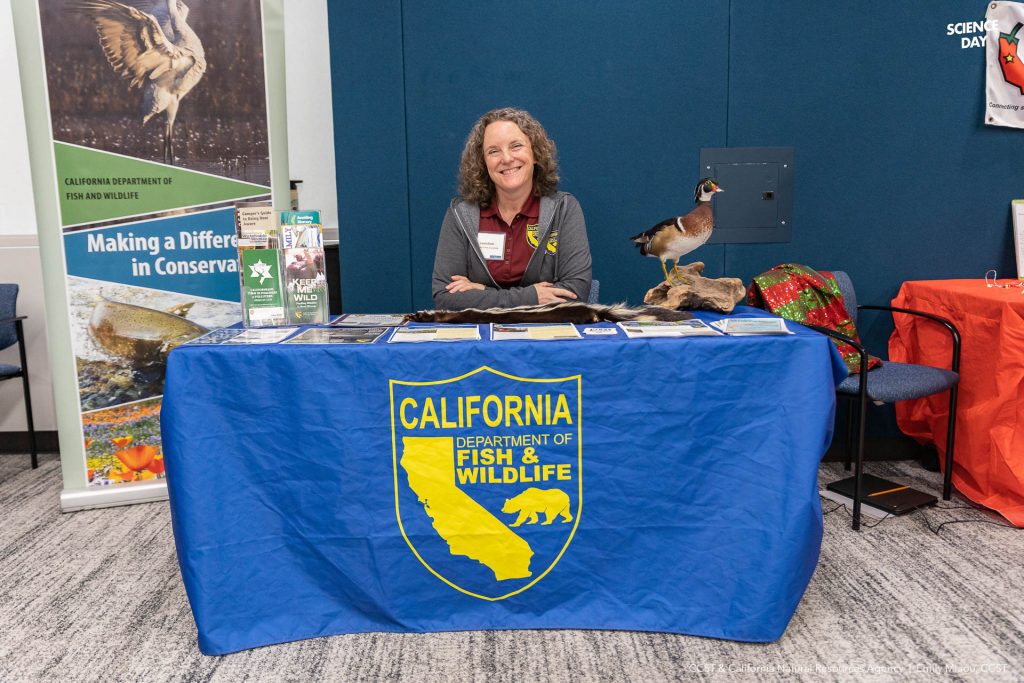
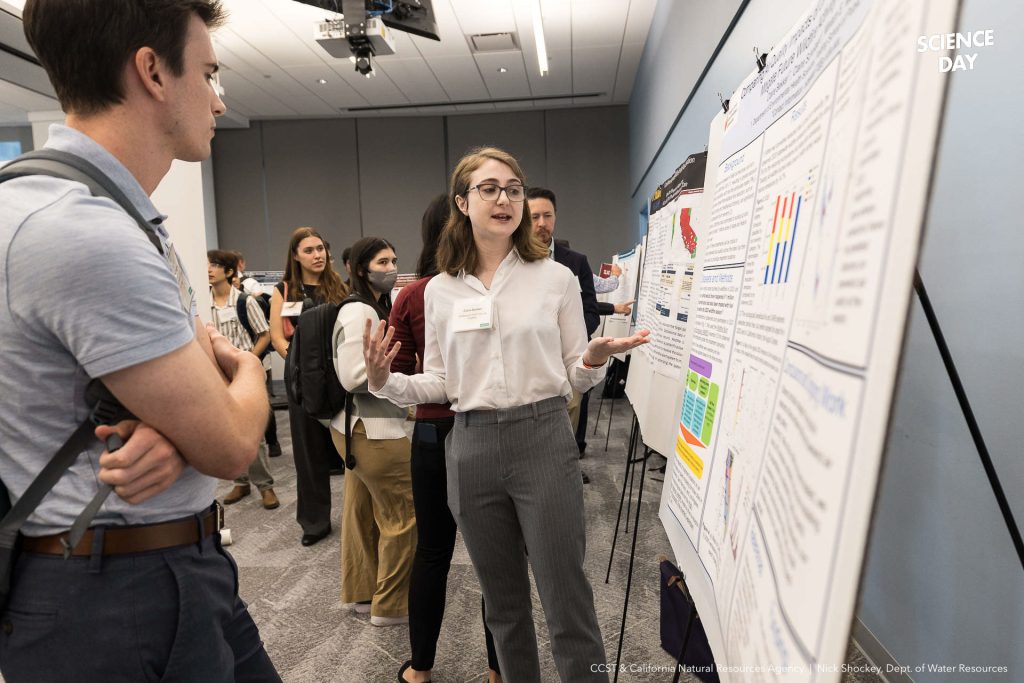
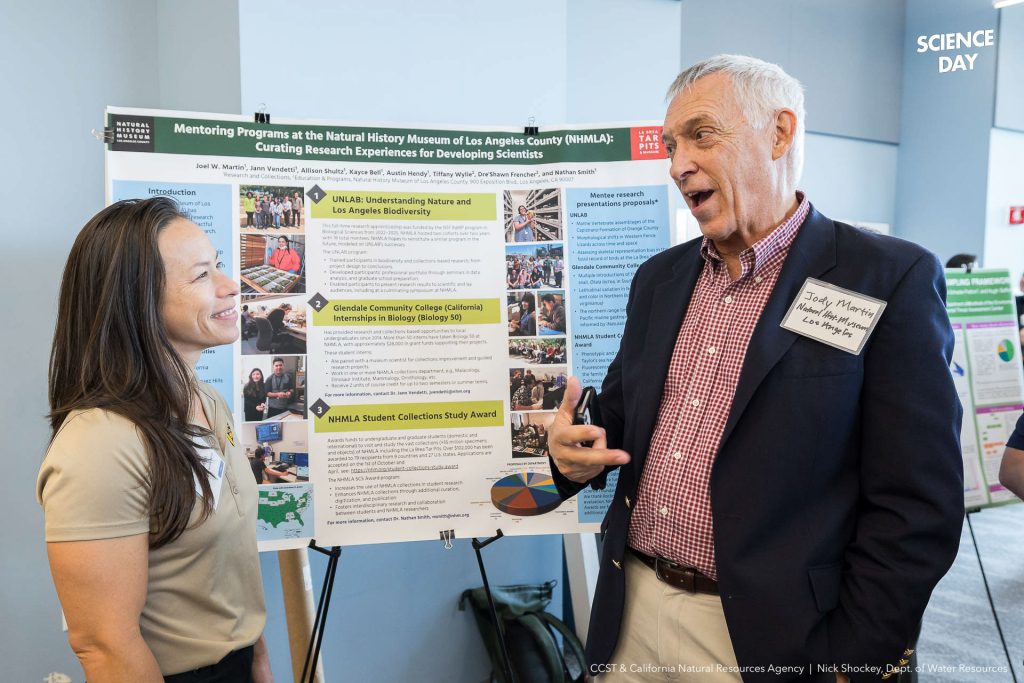
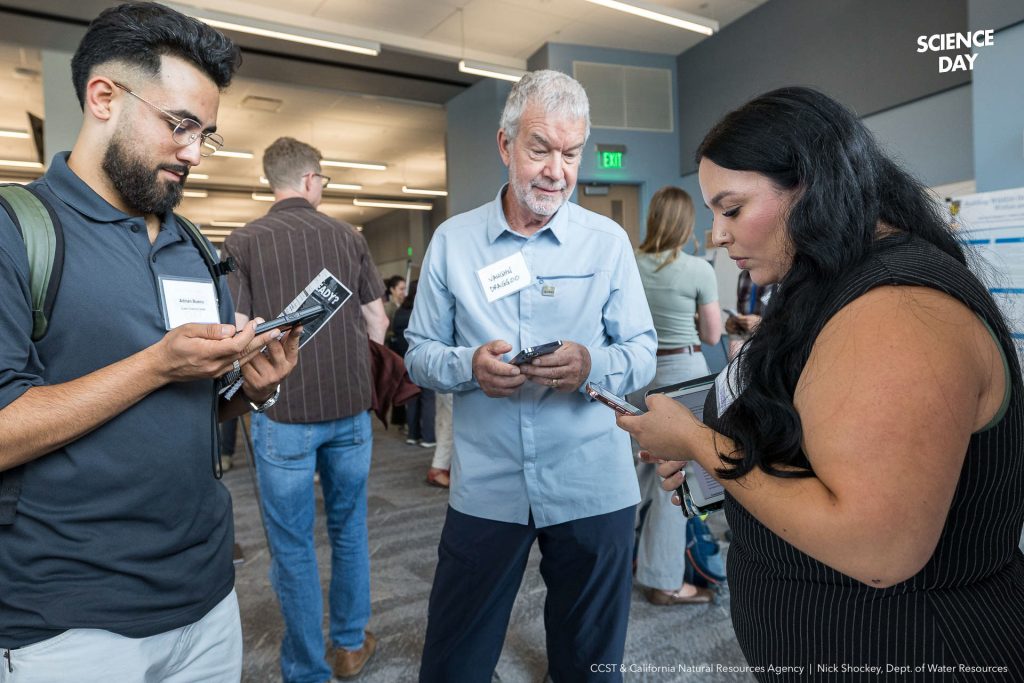
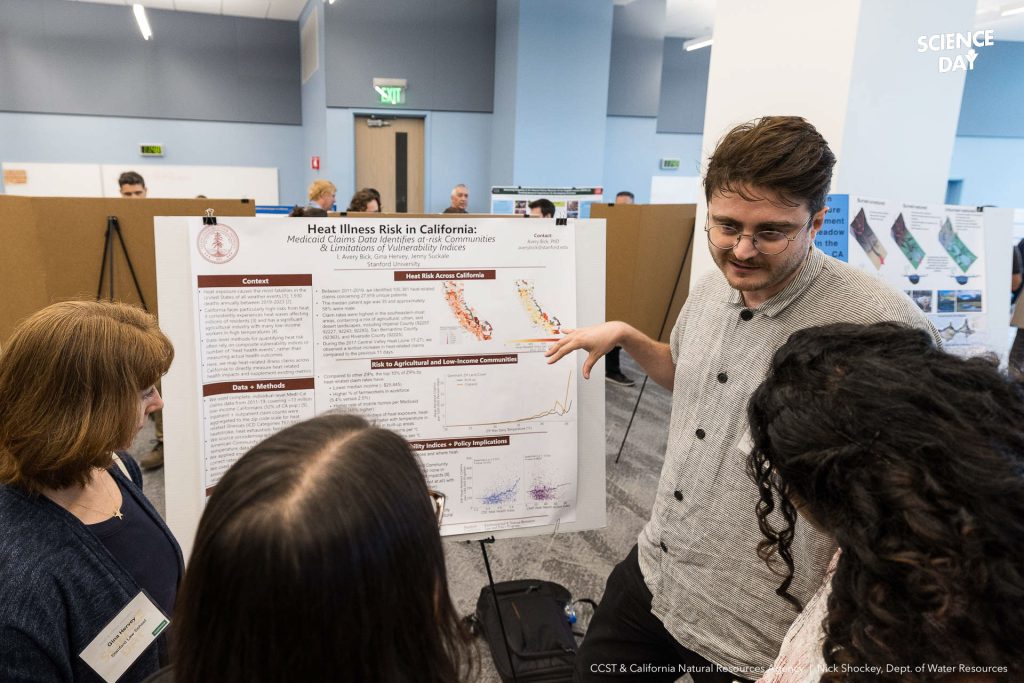
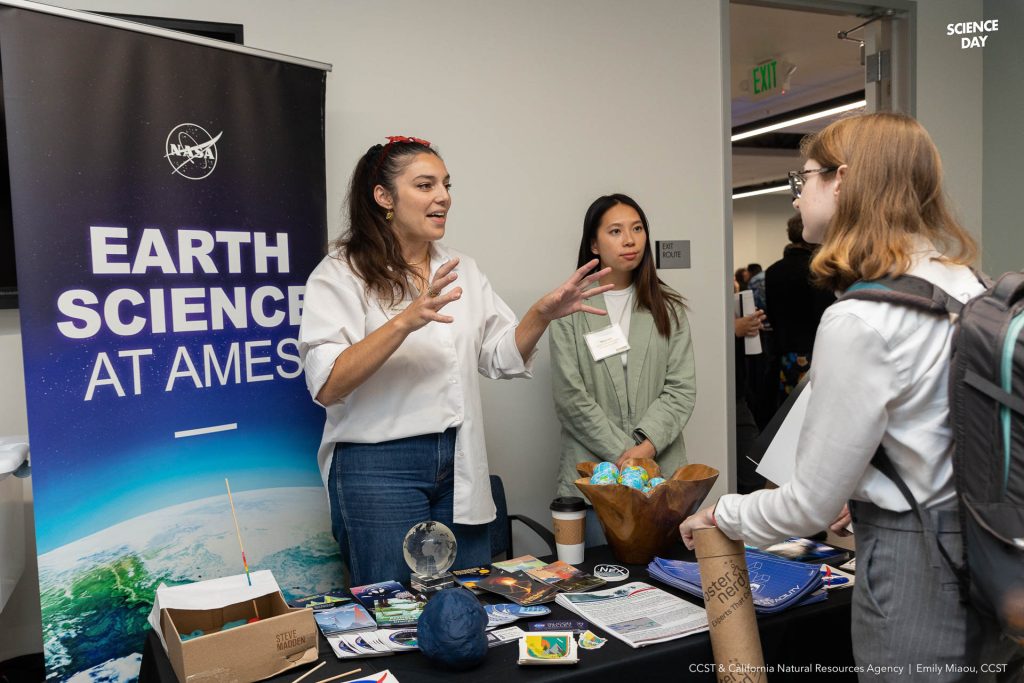
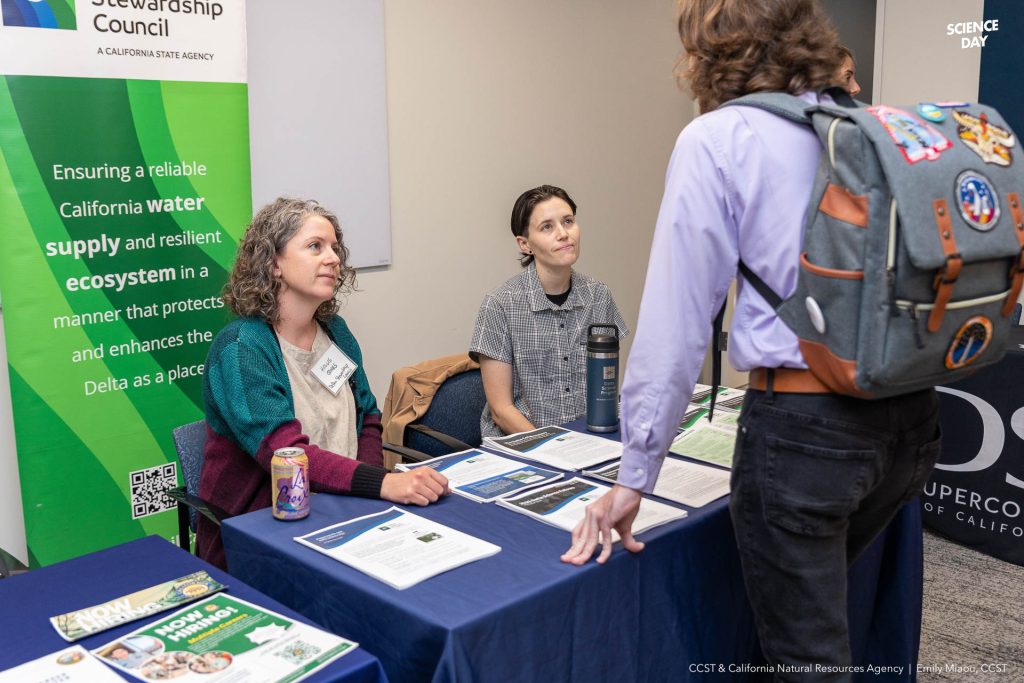
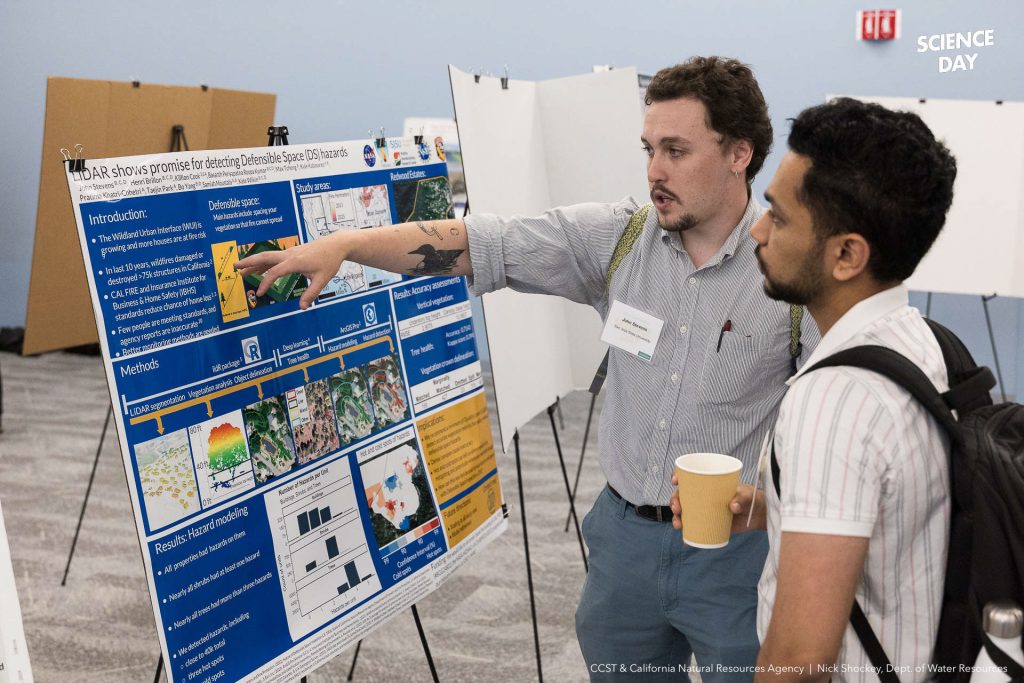
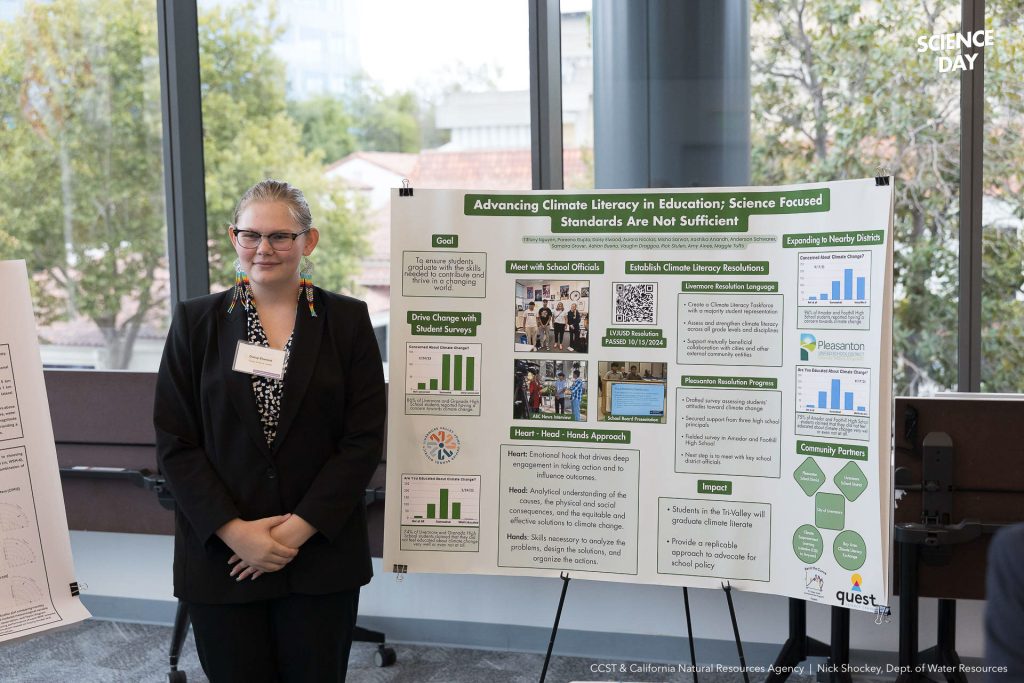
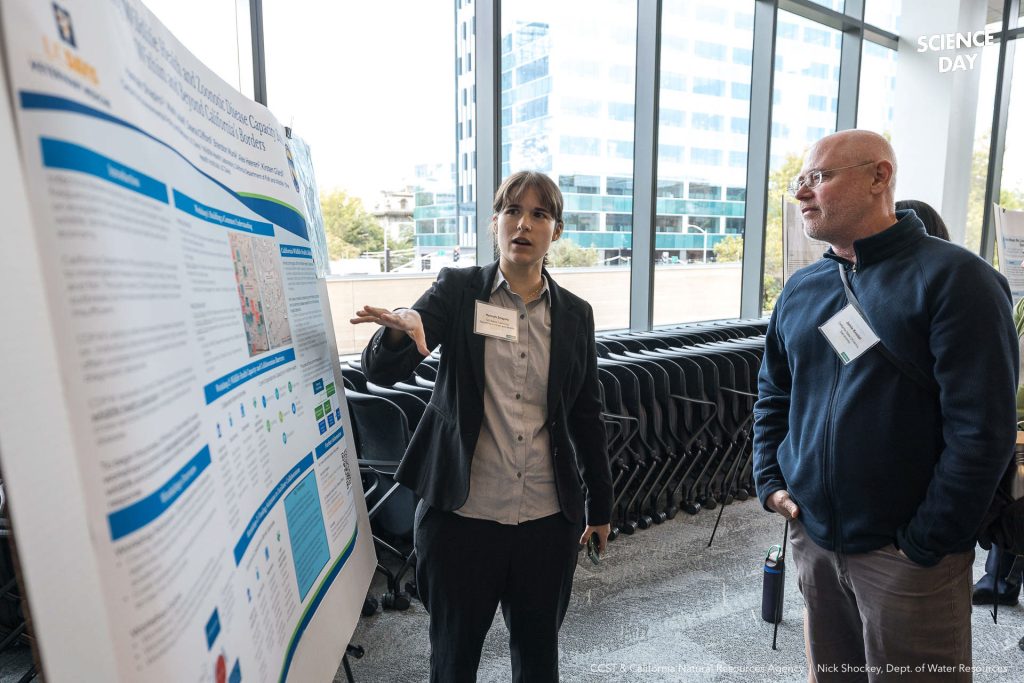
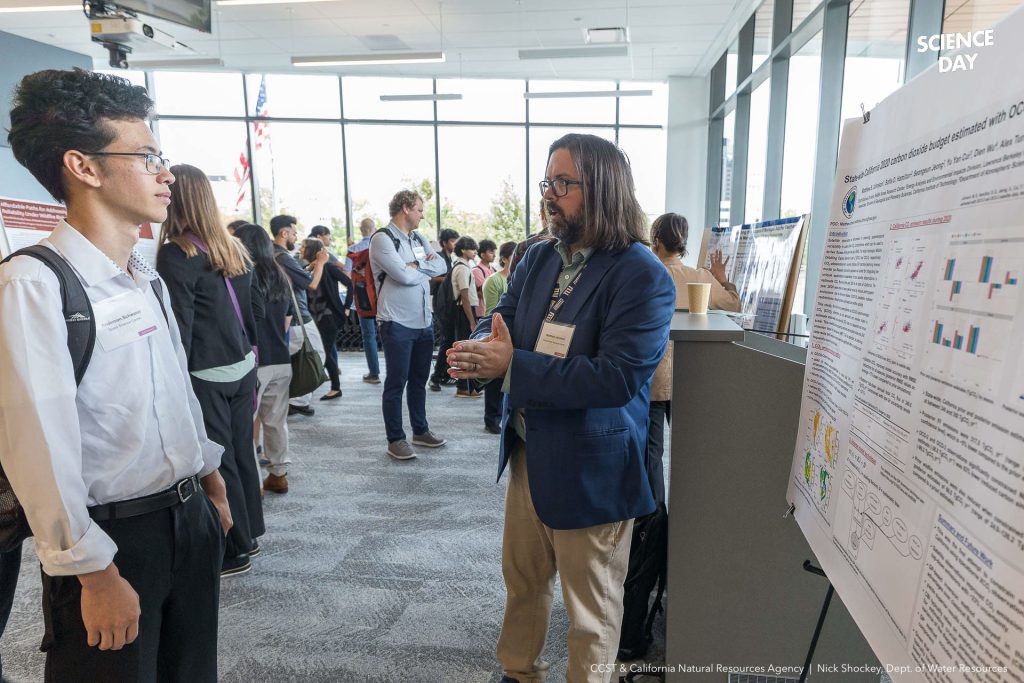
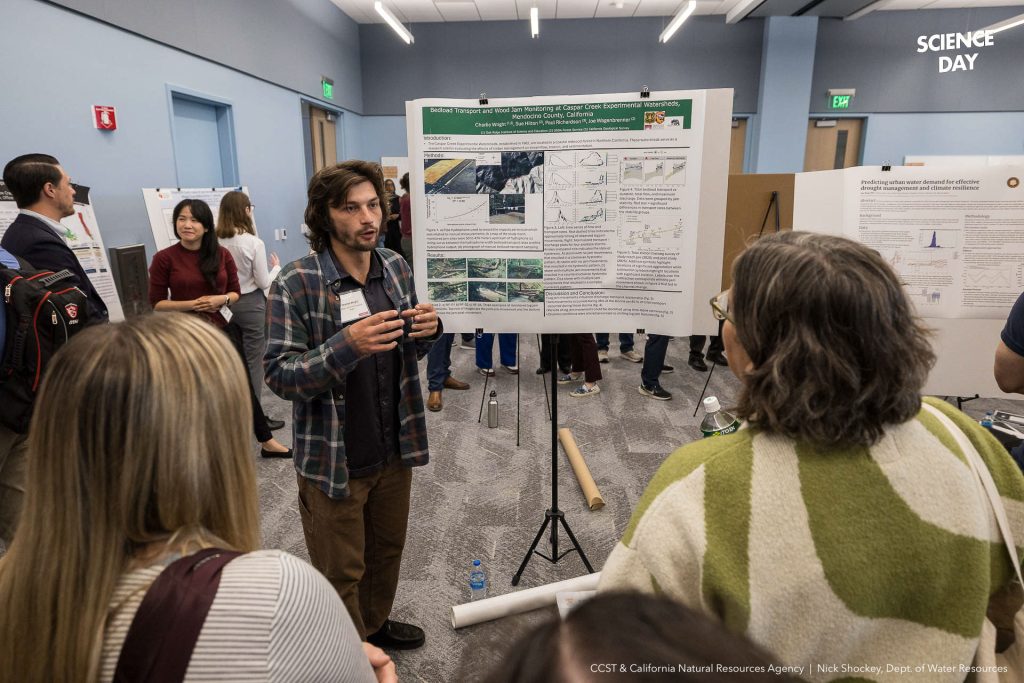
A highlight of this year’s event was the introduction of an innovative poster session showcasing active research across state government, universities, and community partners. Topics spanned disaster resilience, climate action, clean energy, wildlife and habitat conservation, wildfire risk management, and air and water quality. This interactive format provided researchers an opportunity to connect and share current opportunities and challenges in their work. Throughout the day, many state agencies also participated by tabling, offering participants awareness and information on ongoing programs.
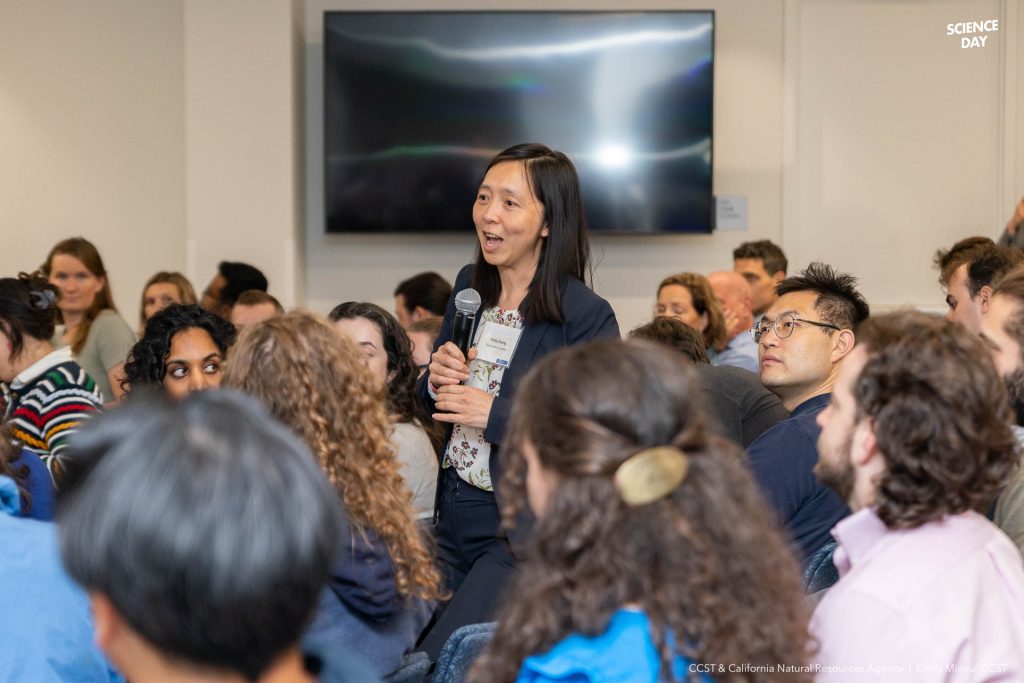
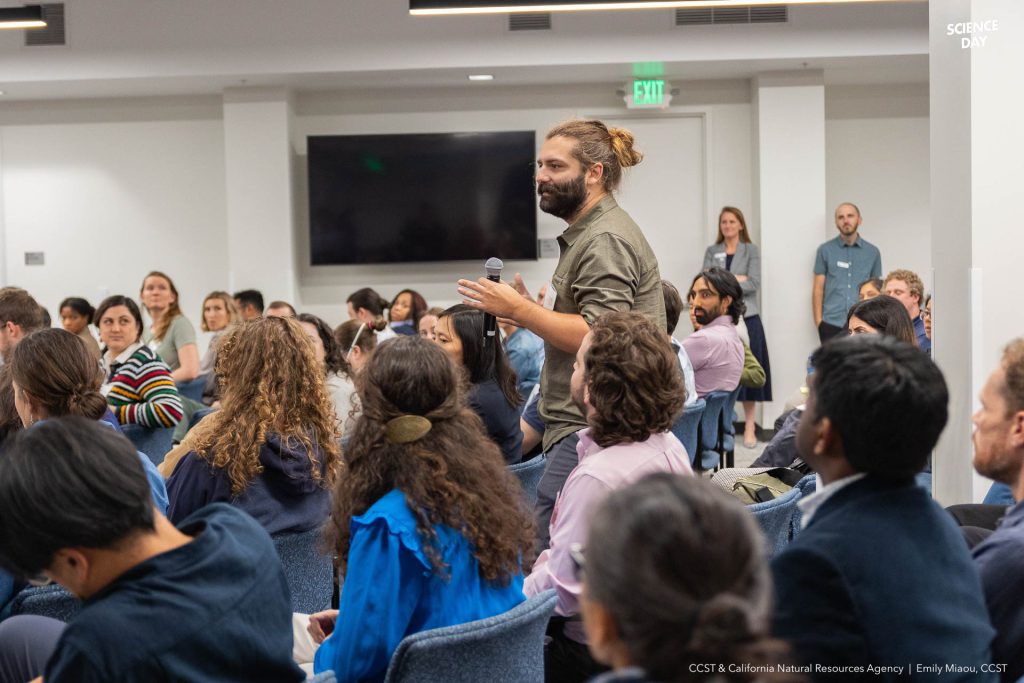
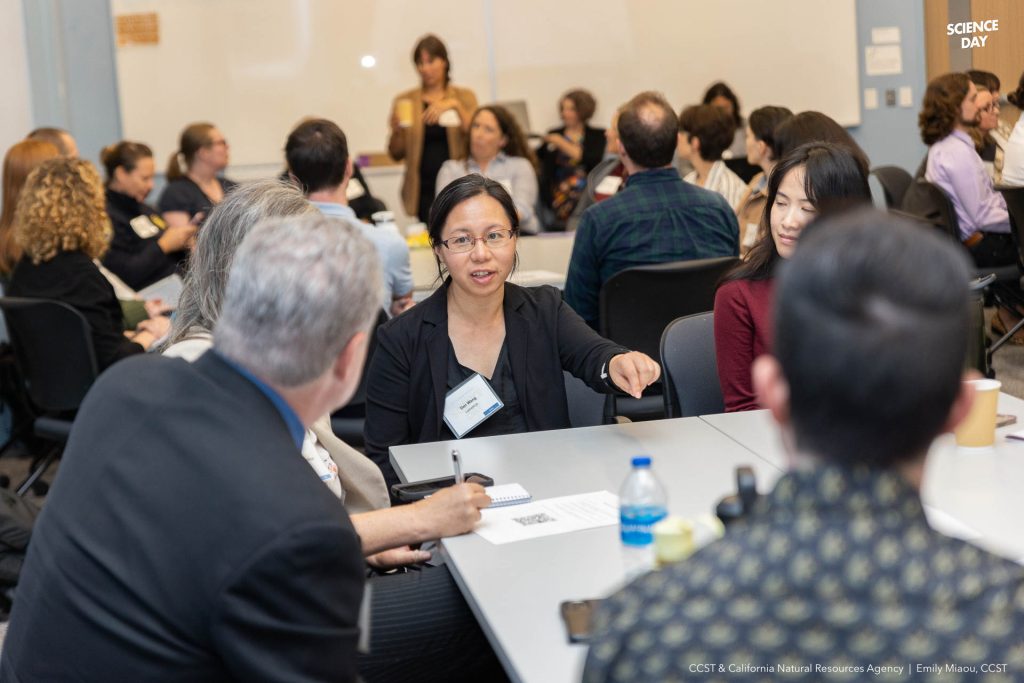
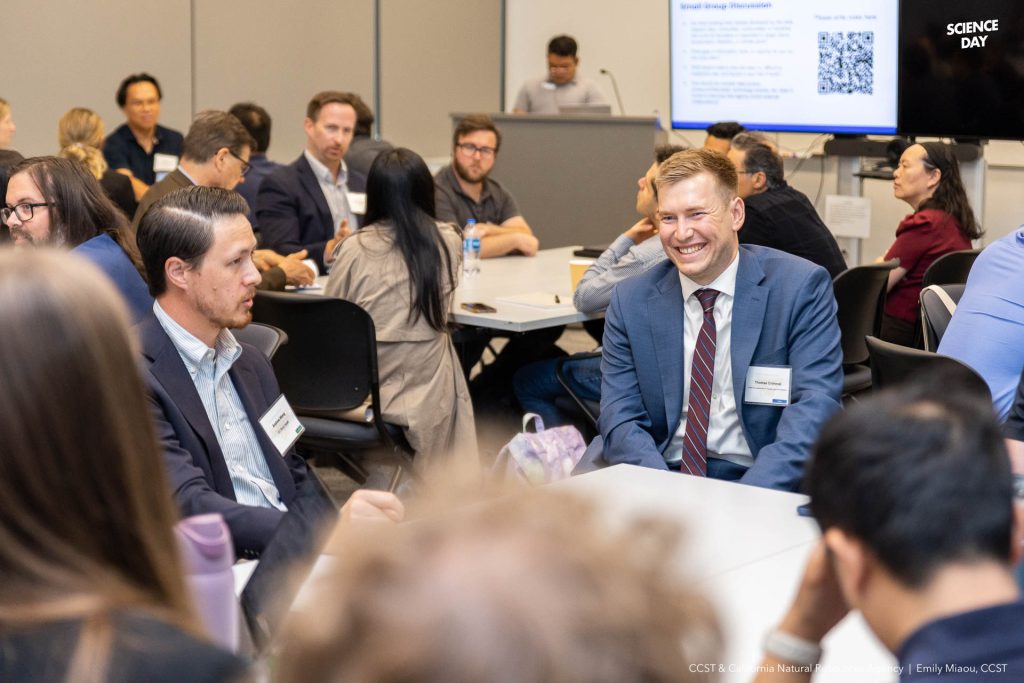
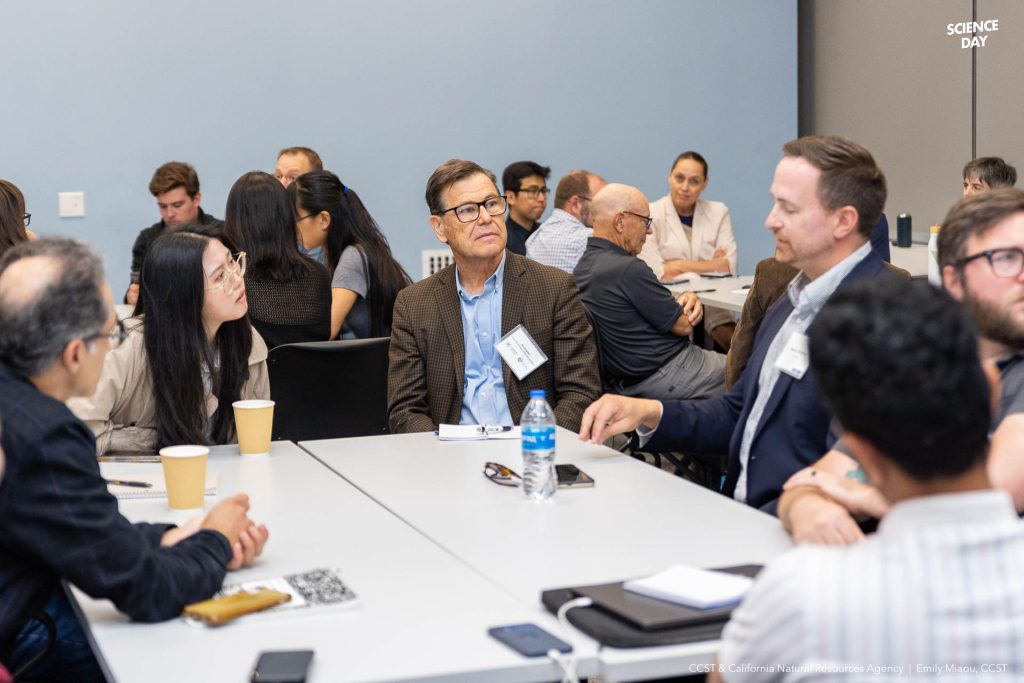
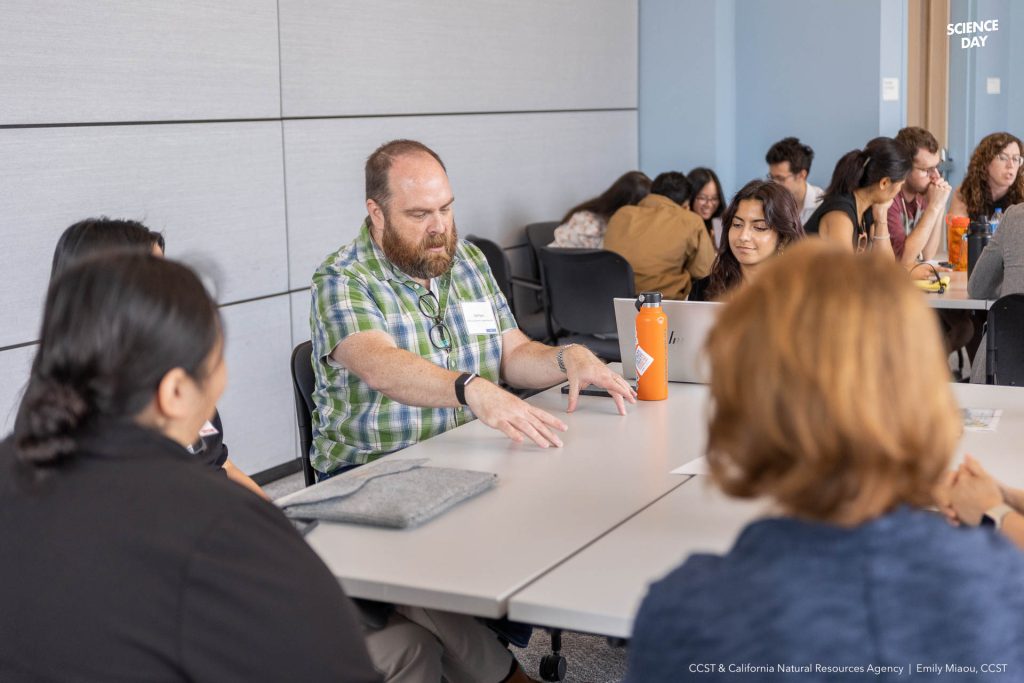
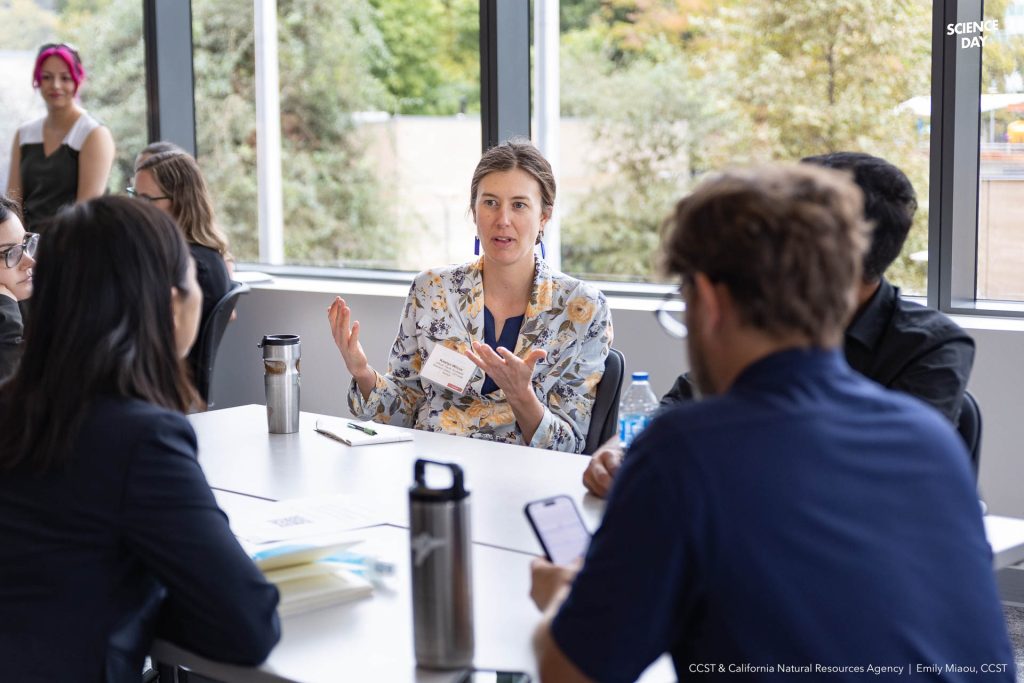
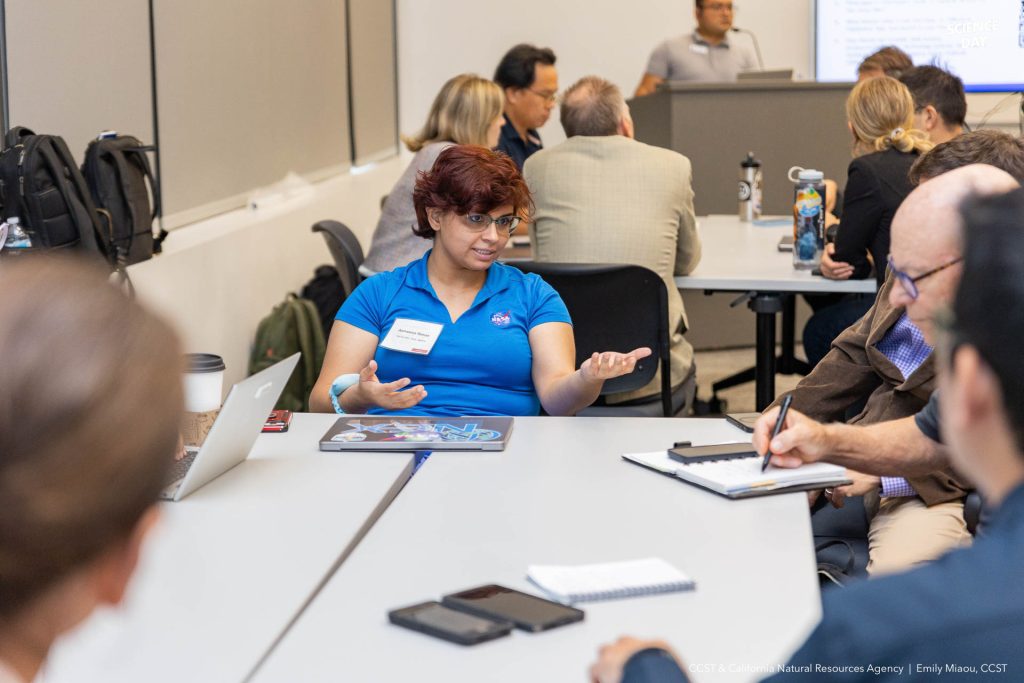
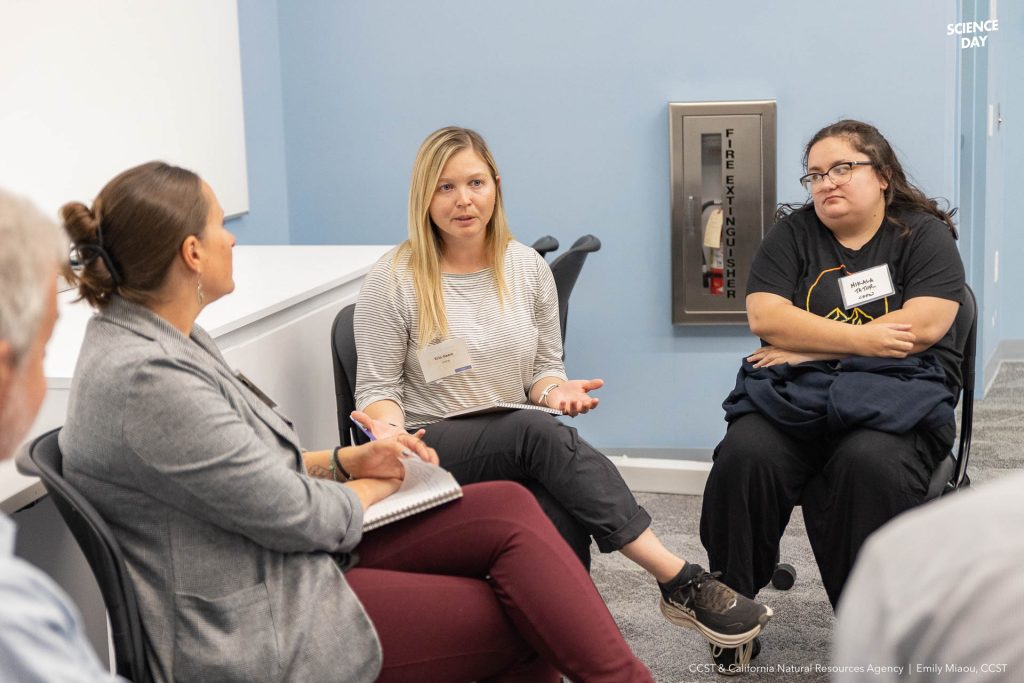
The afternoon featured four breakout sessions that allowed participants to explore key topics in greater depth: the role of data and technology in natural resources management, the nexus of nature and health, opportunities and challenges in planning and policy coordination, and the need for metrics and evaluation of project successes. Each session was anchored by a series of illustrative stores to facilitate discussion and cross-sector learning. Storytellers from state agencies, tribal nations, academic institutions, and nonprofit organizations delivered short presentations on collaborative projects, sharing their origins, successes, and challenges to form the basis for further discussion.
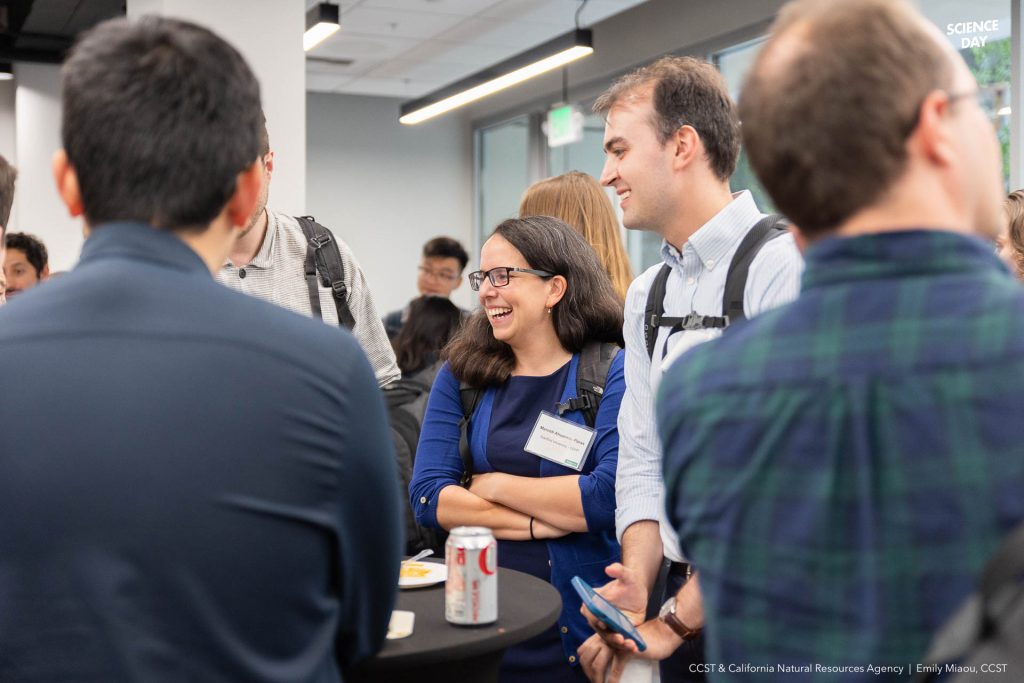
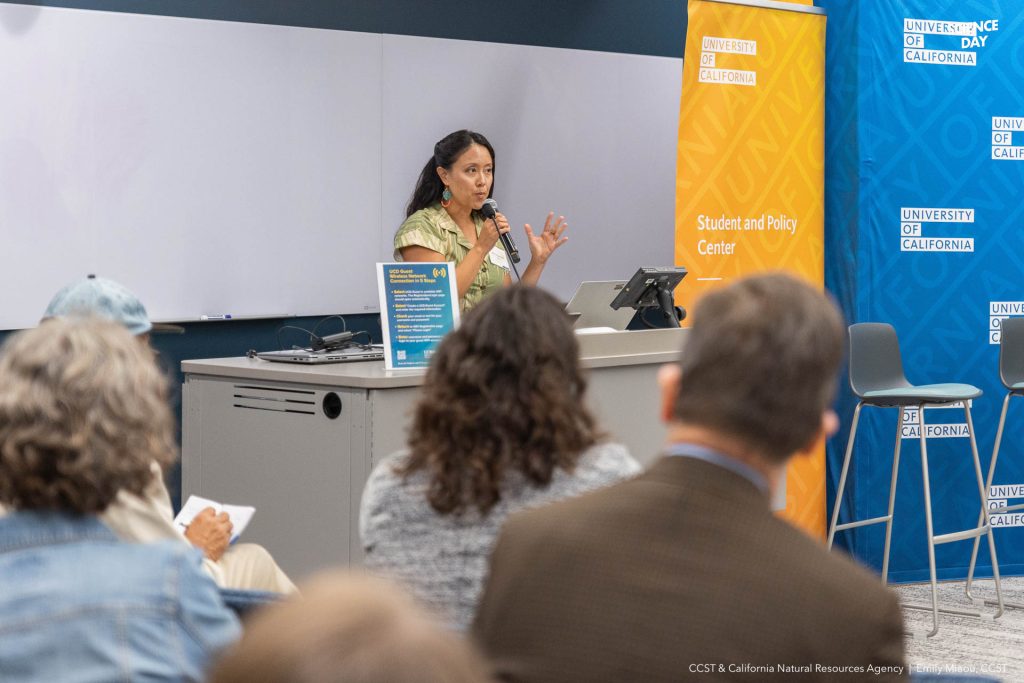
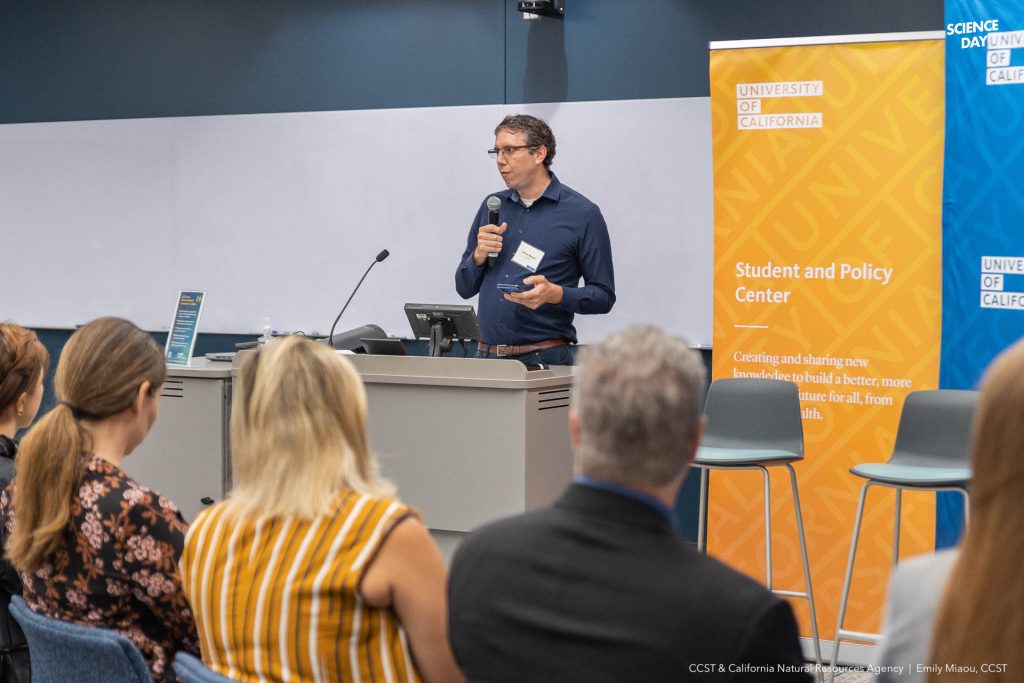
The day concluded with a fireside chat hosted at the UC Student & Policy Center. Secretary Crowfoot was joined by NASA Ames Research Center’s Acting Director of Science Dr. Anthony Colaprete and UC Office of the President’s Vice President for Research and Innovation Dr. Theresa Maldonado to discuss the relationship between science, policy, and California’s research landscape. Following the fireside chat, CCST hosted a networking mixer where participants continued discussions and explored future science-policy collaborations.
The proceedings that follow capture the rich conversations, innovative research, and collaborative spirit that defined Science Day 2025.
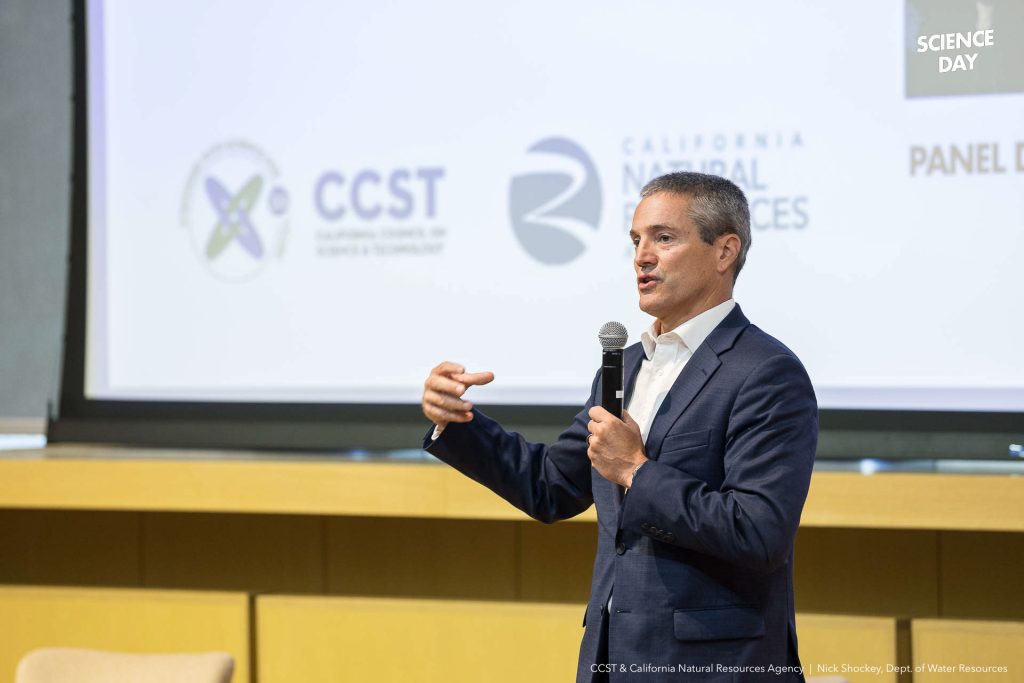
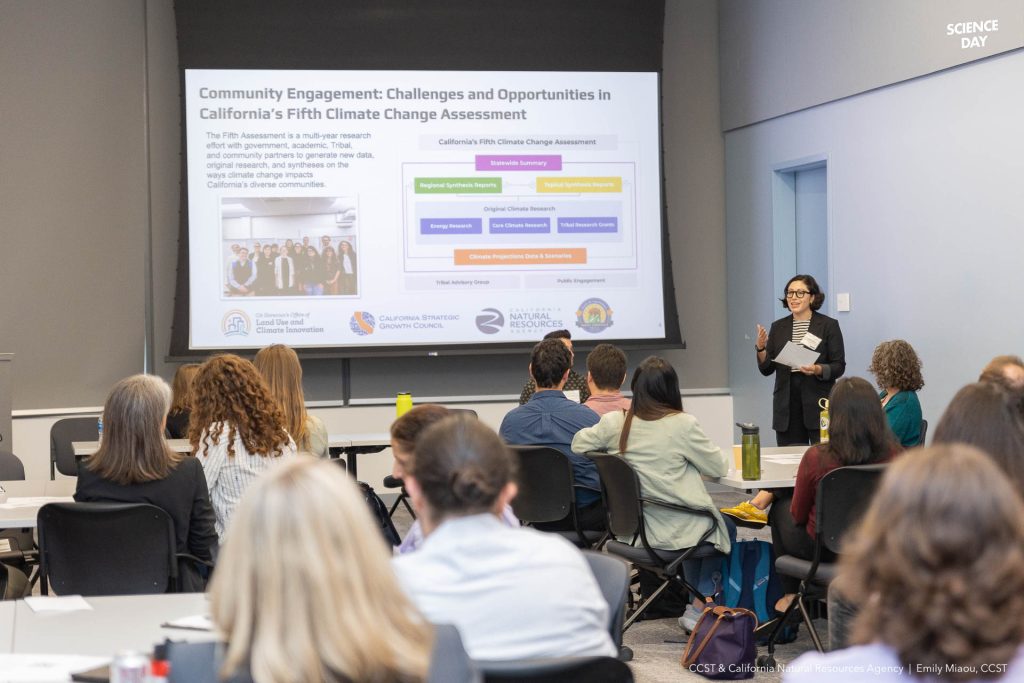
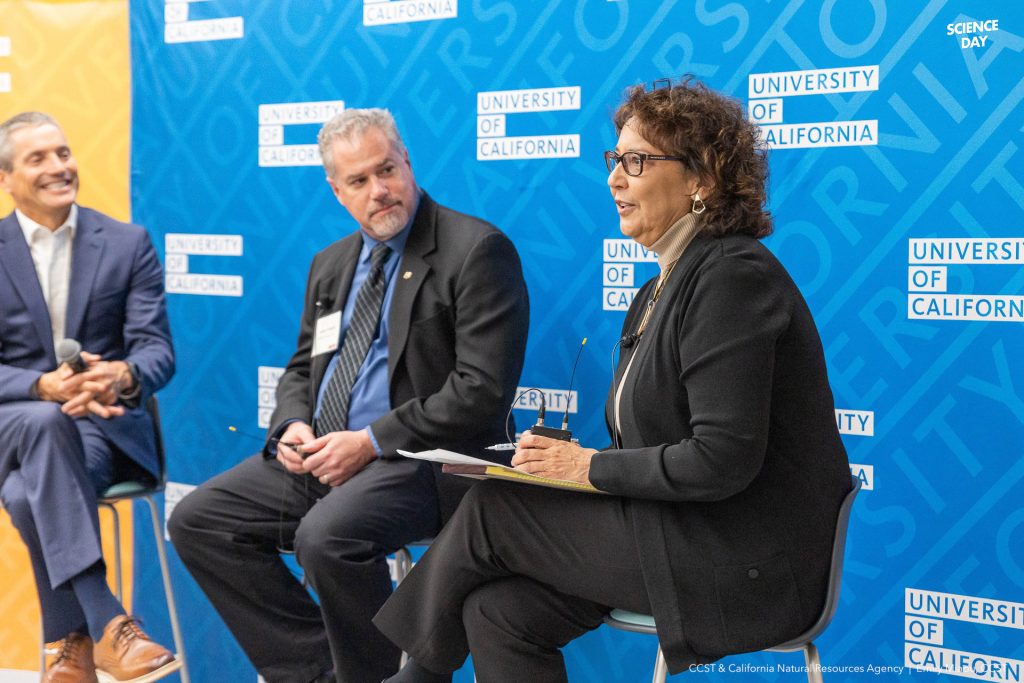

The keynote panel focused on how cross-agency, academic, and community partnerships are being built and sustained to strengthen California’s resilience to the impacts of climate change. Panelists discussed two major collaborative efforts:
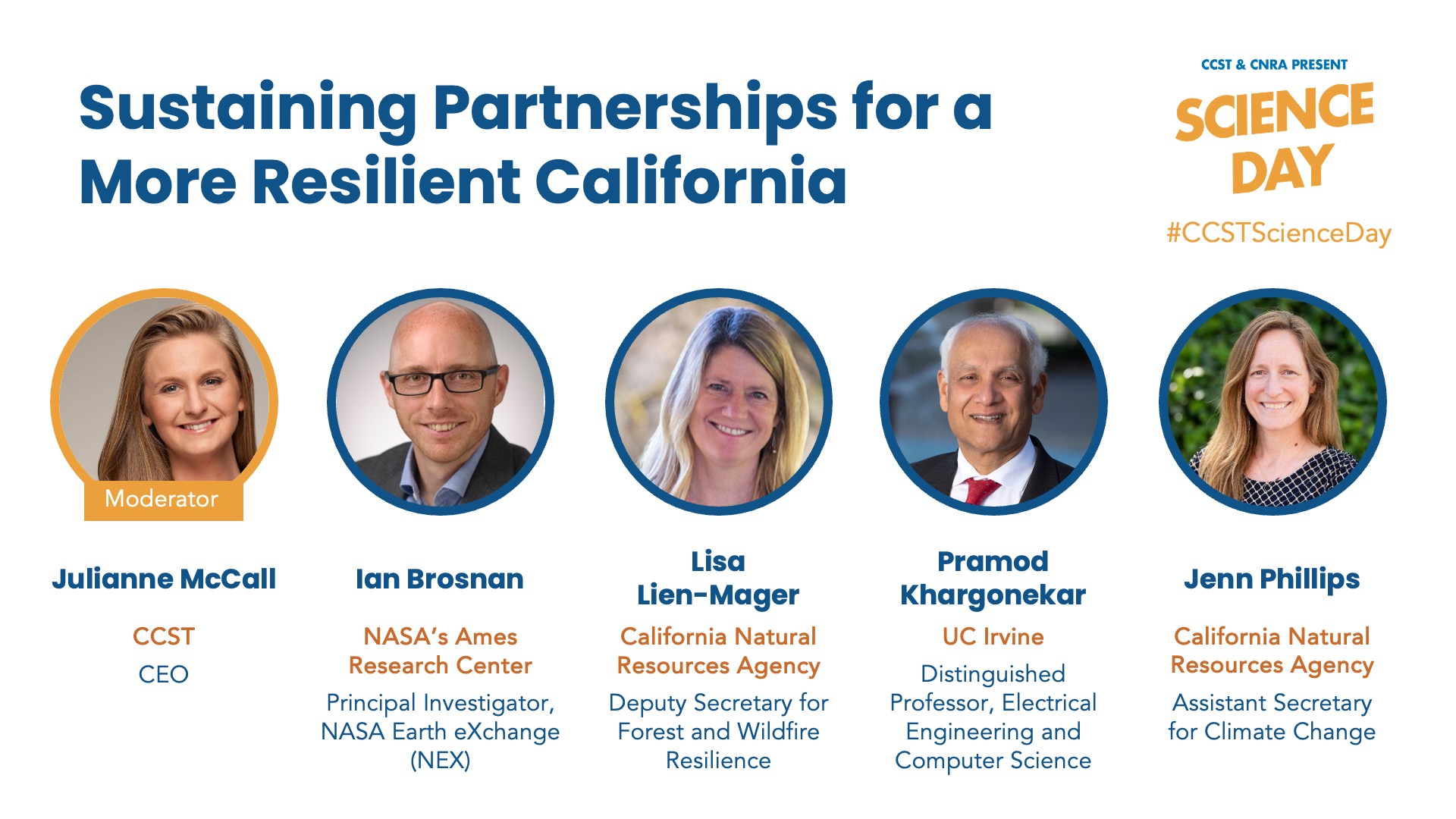
The keynote panel explored the development and implementation of two major collaborative initiatives that exemplify California’s approach to climate resilience: the Wildfire Ecosystem Resilience and Risk Assessment (WERK) program and California’s Fifth Climate Change Assessment.
Both projects demonstrated how effective partnerships emerge from intentional alignment between scientific capabilities and policy needs. WERK originated from a clear match between NASA’s remote sensing expertise and California’s wildfire management priorities, ultimately securing $30 million in state legislative funding to develop publicly accessible remote-sensing products through sustained collaboration between NASA, CARB, and CNRA.
The Fifth Climate Change Assessment has evolved through four previous cycles, each producing policies, investments, and climate adaptation strategies that informed the current effort. This fifth iteration represents a significant expansion, comprising over 25 core reports, 9 regional reports, 4 cross-cutting topical reports, and a statewide synthesis—all designed to ensure accessibility and policy relevance. Notably, the Fifth Assessment’s author teams and reviewers now extend beyond traditional academic circles to include community and tribal partners, reflecting a more inclusive approach to climate science.
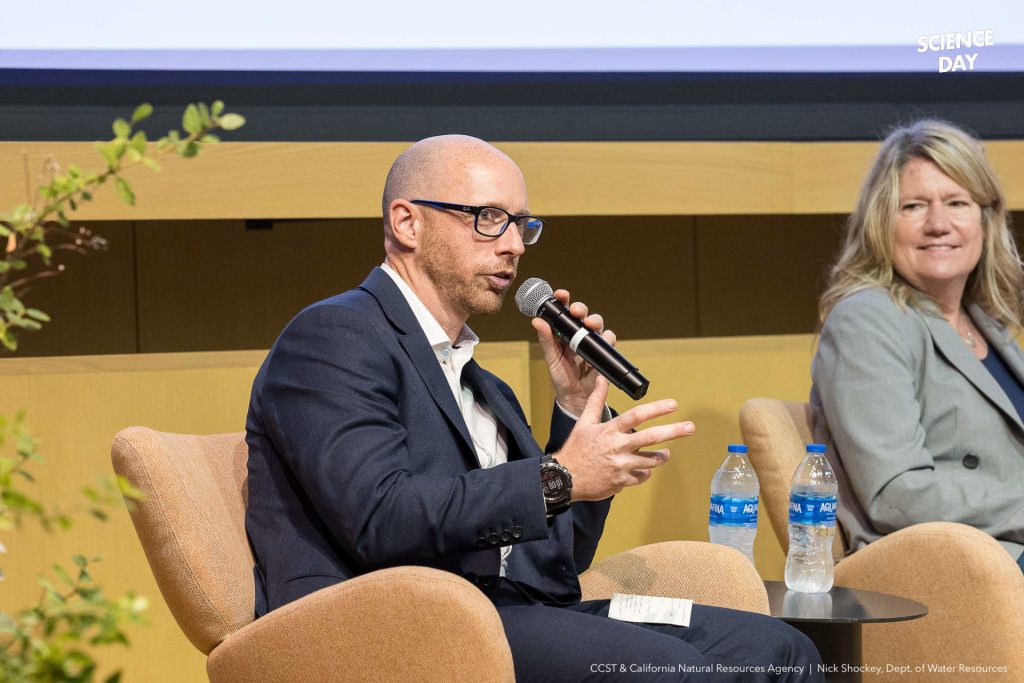
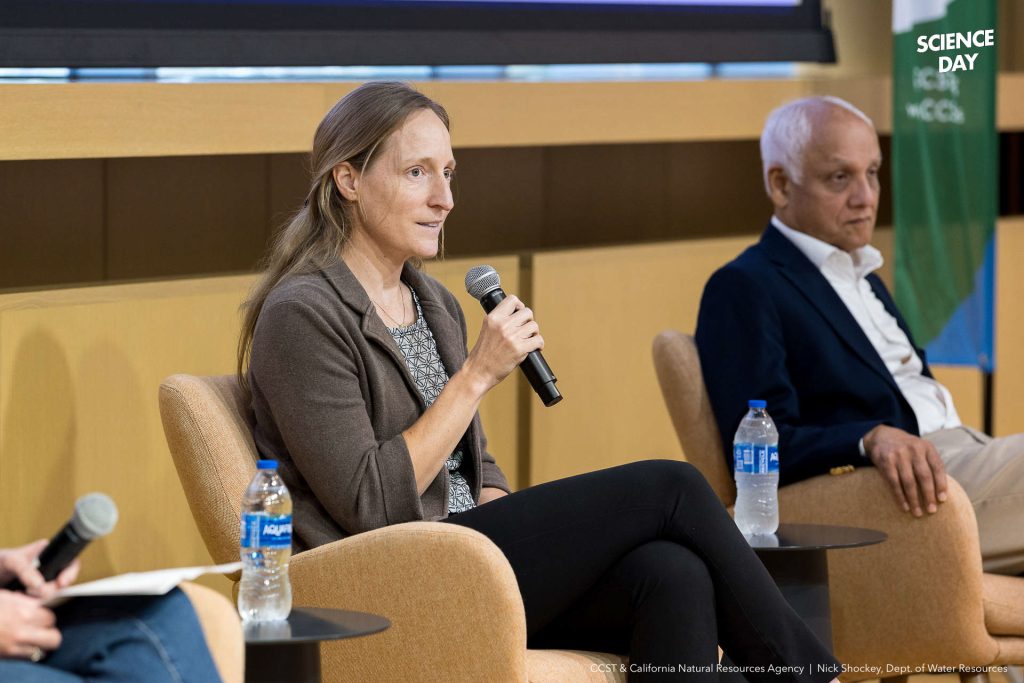
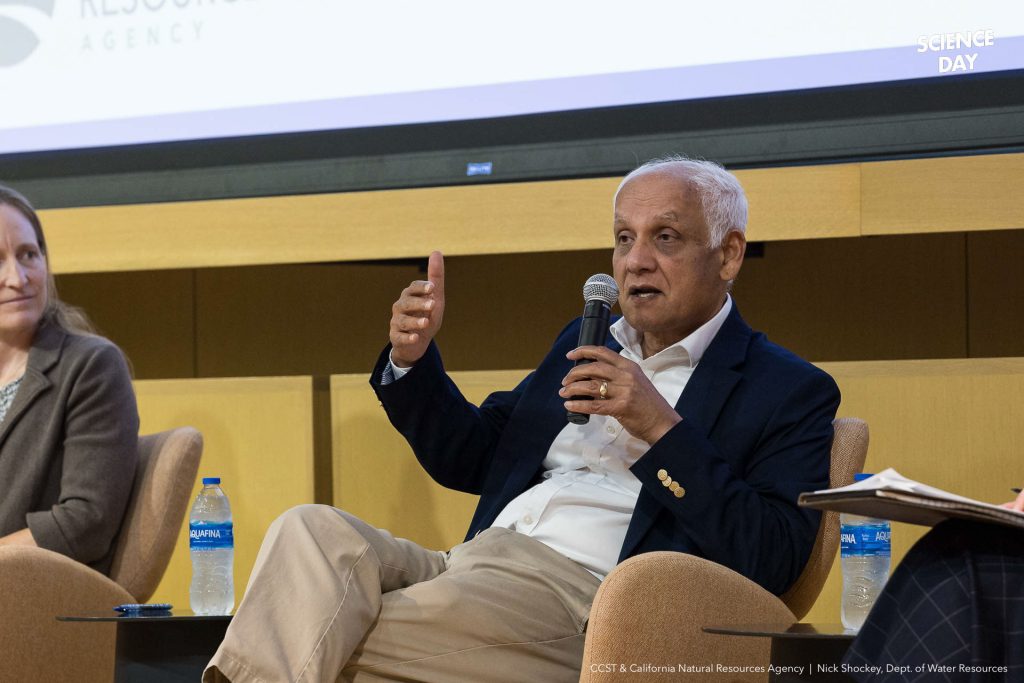
Panelists candidly addressed the substantial challenges encountered in cross-sector collaboration. The WERK team highlighted the complexity of navigating bureaucratic, legal, and timeline constraints between federal and state systems, while the Fifth Assessment team discussed the difficulties of scaling research, data processing, and outreach efforts within compressed timeframes. Both emphasized that executive-level sponsorship and persistent justification of project goals proved crucial to overcoming these obstacles. A recurring theme was that partnerships invariably take longer than expected, requiring significant legal and bureaucratic navigation, and that effective science integration and community engagement demand early and intentional planning.
Despite recent shifts in federal level priorities, panelists emphasized California’s unwavering state-level commitment to climate and disaster resilience, noting that federal gaps present an opportunity for California to strengthen its position as a global leader. The panel discussed how both projects are already demonstrating tangible impact: NASA’s remote-sensing data supported emergency response efforts during the devastating Los Angeles fires in early 2025, while the Fifth Assessment became the first state climate assessment to receive dedicated funding to support outreach, enabling extensive public engagement sessions. The LA fires underscored the critical need for clearer public information on risk, smoke impacts, and resilience planning—areas where both projects are actively contributing.

Looking toward the future, panelists highlighted efforts to expand educational opportunities and workforce development through partnerships such as NASA’s Applied Remote Sensing Training (ARSET) and DEVELOP programs, the latter targeting K-12 and public audiences. The Fifth Assessment is incorporating more visual and accessible materials to reach younger audiences, recognizing the importance of building climate literacy across generations. California also continues to work with regional and global coalitions to maintain momentum on climate action, demonstrating the state’s commitment to sustained collaboration.
The panel underscored that achieving meaningful climate resilience requires not only cutting-edge science and technology but also fundamentally redesigned systems of partnership between state agencies, academia, communities, and tribal governments. The enthusiasm across these diverse stakeholder groups demonstrates the value of inclusive collaboration. Both WERK and the Fifth Assessment exemplify a community-centered, policy-informing, and science-driven approach that positions California as a national and global leader in climate resilience and adaptation.

A highlight of this year’s event was the introduction of an innovative poster session showcasing active work across state government, non-profit organizations, and academic institutions. This interactive format provided researchers an opportunity to connect and share current opportunities and challenges in their work, fostering new collaborations among presenters from diverse organizations including state and federal agencies, academic institutions, national laboratories, and nonprofit organizations.
Fifty-two poster presenters demonstrated the breadth and depth of climate and environmental research underway across California, covering a broad spectrum of topics including agriculture, biodiversity, community engagement, education, energy systems, wildfire, and water resources.
Wildfire-related research emerged as a dominant theme, with researchers presenting work on prescribed burns, post-fire debris flows, smoke impacts on human and wildlife health, fuels treatment optimization, and the integration of remote sensing technologies for risk assessment. Other prominent research areas included water resource management amid climate change—from managed aquifer recharge to urban water demand forecasting—and the nexus of energy, equity, and climate adaptation, with studies addressing everything from agrivoltaics to electric vehicle charging infrastructure and energy affordability for vulnerable communities.
The poster session reflected strong collaborative partnerships between state agencies (including CAL FIRE, California Air Resources Board, and California Department of Fish and Wildlife), federal partners (NASA, US Geological Survey, Bureau of Land Management), the University of California and California State University systems, community organizations, and tribal governments.
Several posters highlighted community science initiatives that engage residents directly in data collection and monitoring, from urban heat mapping to air quality monitoring to bumble bee surveys. Emerging data technologies featured prominently throughout, with researchers leveraging machine learning, satellite remote sensing, LiDAR, and high-resolution climate modeling to address California’s most pressing environmental challenges.
See the appendix for poster session abstracts.

Anchor Storytellers
Session facilitator: Jessica Bolivar, CCST/CNRA
Anchor storytellers highlighted how nature, health, and science intersect in addressing California’s climate and ecological challenges. Dan Woo described CDPH’s “Climate, Health and Equity in All Policies” approach and efforts to advance nature-based solutions—such as community greening and equitable land-use strategies—that deliver co-benefits for climate resilience and public health. Brandon Munk outlined CDFW’s work to improve the state’s fragmented capacity to address emerging wildlife and zoonotic diseases by developing a strategic framework that strengthens coordination across agencies and institutions. Dr. Lauren Lui detailed LBNL’s collaboration with the Department of Water Resources to better understand and monitor the San Francisco Estuary microbiome using long-read sequencing, with the goal of building a comprehensive microbial genome database and creating scalable tools for early detection of harmful algal blooms.
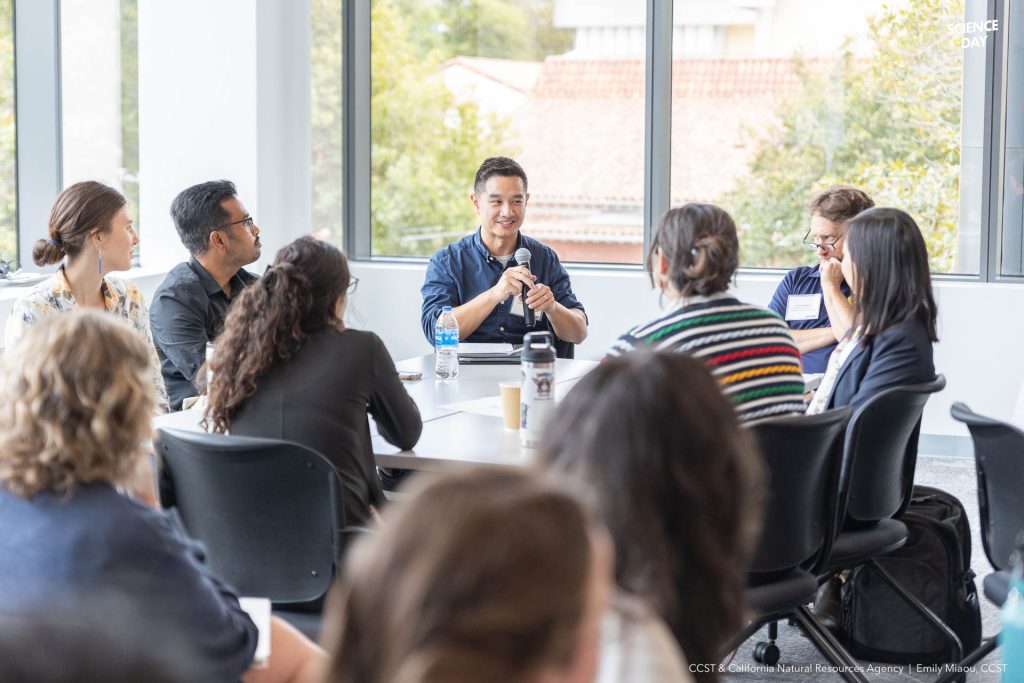
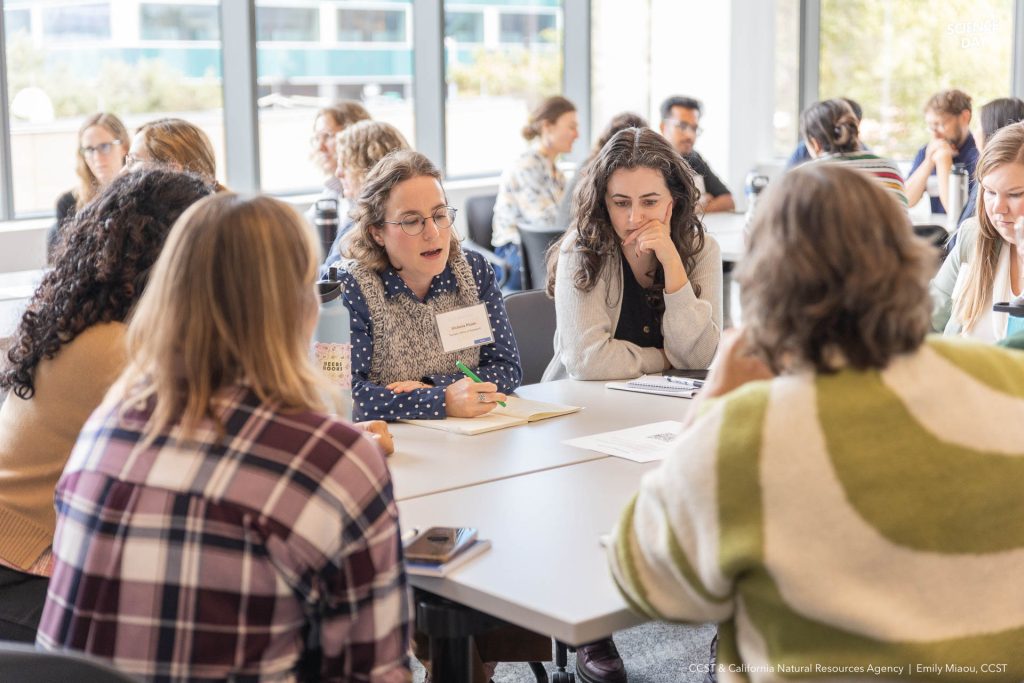
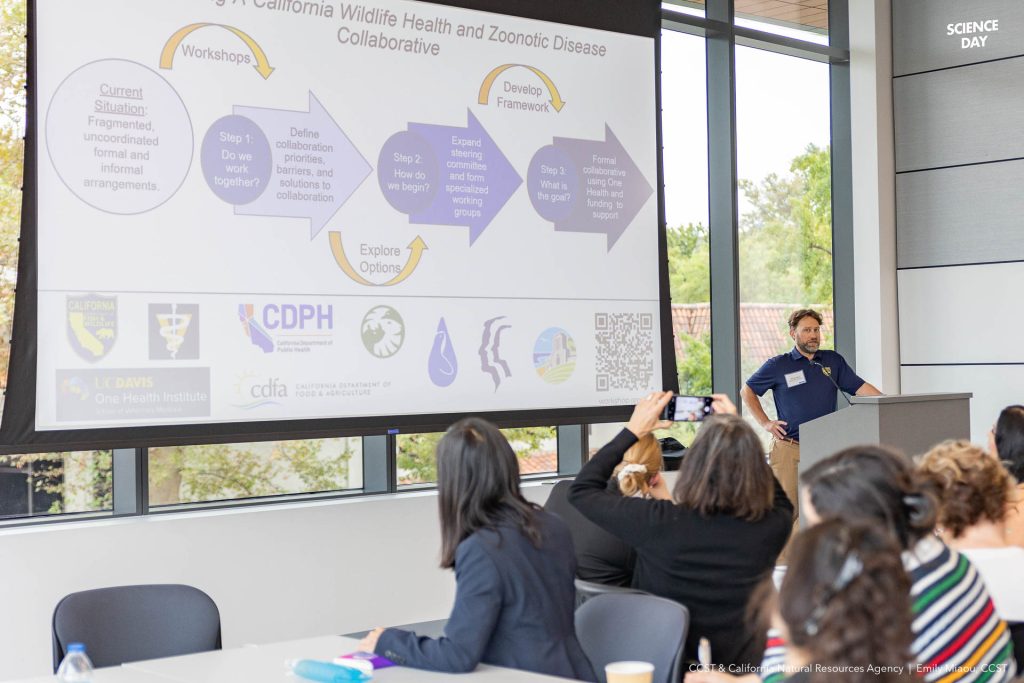
Breakout session participants highlighted the interconnected impacts of climate-driven hazards on human health, ecosystems, and local economies. Recent events, including Los Angeles wildfires in early 2025 and domoic acid poisoning in marine mammals, illustrated how environmental stressors cascade into food system disruptions, public health risks, and economic losses. Participants underscored the value of a OneHealth approach—which integrates ecosystem and public health—and California’s new OneHealth law that supports this framework.
Key themes related to health and natural resources discussed included:
Land and fire management: Participants discussed various tools and their tradeoffs. Examples included the Keep Tahoe Blue program, the California Vegetation Treatment Program (CalVTP), meadow restoration, and cattle-exclusion infrastructure. Wildfire strategies—ranging from prescribed fire and Indigenous-led burning to mechanical mastication, biomass processing, and selective “let it burn” approaches—were examined for their impacts, including emissions from machinery and biomass facilities. Indigenous burning practices were highlighted for reducing fire intensity by approximately 15%, though participants noted the need for financial compensation, equipment support for rural communities, and accessible meeting structures. This included including discussion of SB 310 (Dodd, 2024), which further authorizes the Secretary for the California Natural Resources Agency and local air districts to enter into cultural burn agreements in lieu of certain permits.
Public health integration into environmental initiatives: Urban greening projects offer health and economic benefits but can raise concerns about pesticide drift and stormwater runoff. Innovative monitoring tools, such as wastewater-based COVID surveillance and eDNA testing for harmful algal blooms and domoic acid, were identified as promising approaches for community-scale health monitoring.
Equity and accessibility in engagement: Effective strategies included stakeholder advisory panels, compensating for community expertise, flexible implementation approaches, and transparent, jargon-free communication. Participants also noted persistent distrust of government in rural areas and emphasized the importance of plain-language communication and culturally-relevant outreach. Successful models, such as Klamath Dam removal workshops and local tabling events, demonstrated the value of community leadership and data transparency.
Private Sector Participation: Participants also stressed the need to broaden participation from the private sector through grants, tax incentives, and market-based mechanisms, citing examples like the Strategic Growth Council’s grant model and Chico State’s student-led research.
Opportunities to advance statewide resilience included reducing wildfire smoke exposure via prescribed fire, enhancing ecosystem services through meadow restoration, and using heat-mapping tools to assess health impacts. Across topics, building and sustaining partnerships among communities, governments, scientists, and public health experts was consistently highlighted as essential for long-term resilience.
Anchor Storytellers
Session Facilitator: Héctor Corzo, CCST
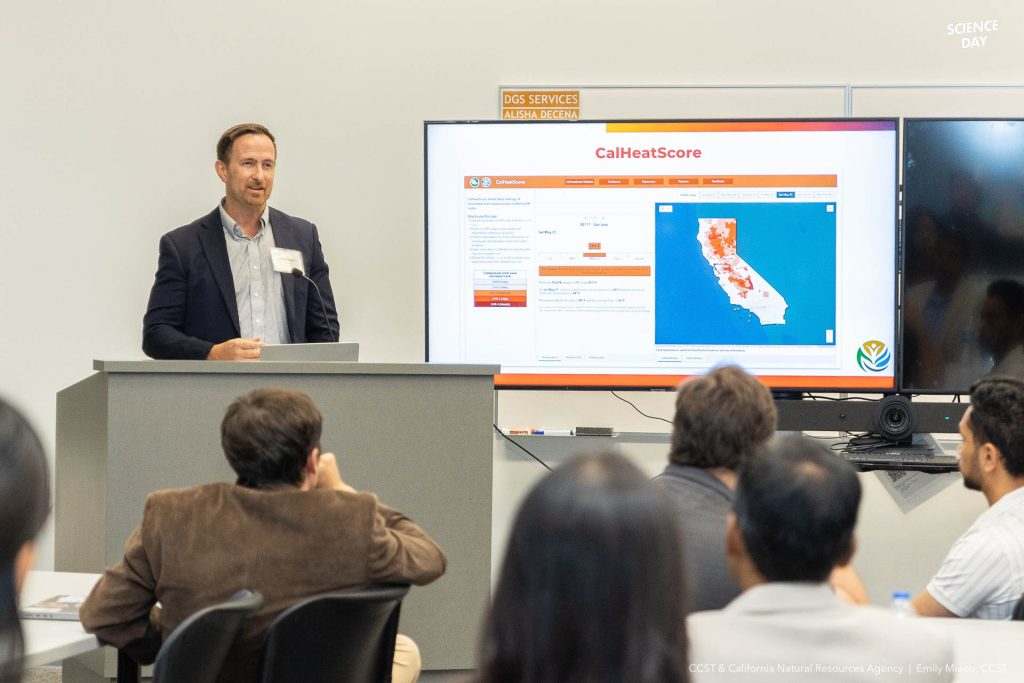
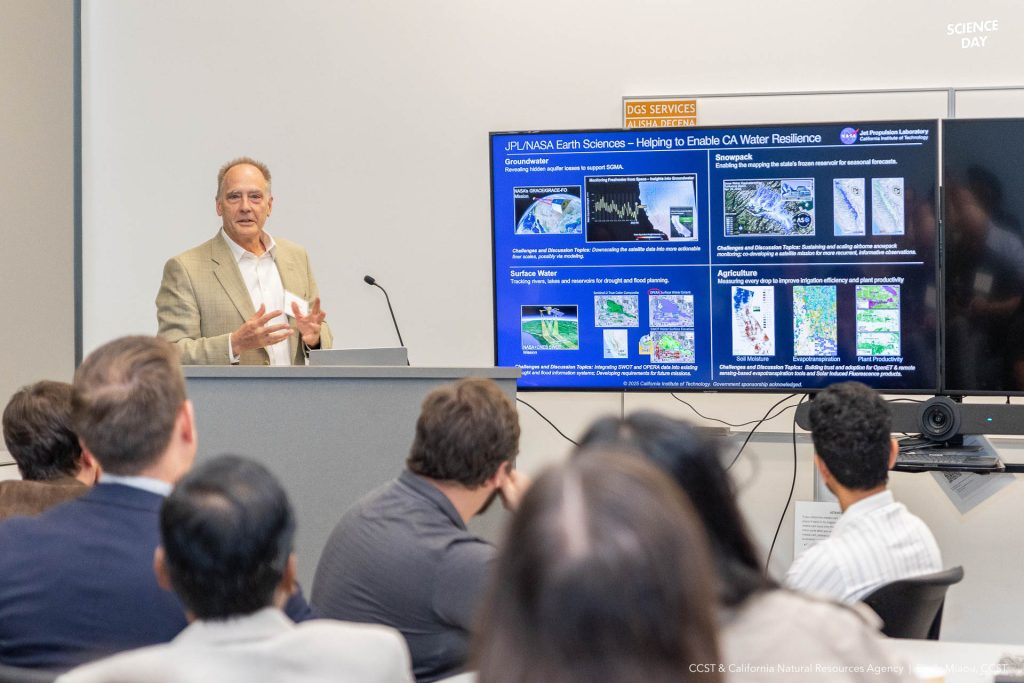
Anchor storytellers highlighted how data and technology are advancing California’s ability to respond to climate and water challenges. Walker Wieland introduced the California Communities Extreme Heat Scoring System (CalHeatScore), a new statewide system that integrates weather, climate, and health data to help communities prepare for dangerous heat events. Duane Waliser described NASA JPL’s suite of remote sensing missions—which track groundwater, snowpack, surface water, crop water use, water quality, and agricultural productivity—and how these tools can support drought planning, water allocation, and overall water resilience through continued collaboration with state agencies. Daniel Feldman outlined LBNL’s high-resolution LOCA2-CMIP6 climate projections, developed with UC San Diego and UCLA, which provide more precise temperature and precipitation information and are now used by the Department of Water Resources to shape water supply resilience strategies, illustrating the growing importance of detailed climate modeling for state planning.
The purpose of the session was to identify challenges in the distribution of data, data downscaling, environmental monitoring, and different ethical considerations. Participants explored technical, policy, and community-related issues in the context of natural resources management.
Data Challenges related to Hydrogen Production: Participant discussion covered hydrogen as a clean energy source in the state and data needs surrounding the production of hydrogen in the state. These include:
Effective communication and documentation across stakeholders—including national labs, California state agencies, local municipalities, and private corporations—was emphasized. Participants discussed tools such as disaster monitoring systems, emergency alerts, and medical notification systems, mentioning that low effort monitoring tools should be developed. One group suggested developing indices for various environmental factors, while acknowledging that there is no ideal way for information to be dispersed to communities during disasters.
Data management and distribution also emerged as a central challenge. Participants discussed the challenges inherent in downscaling data given ethical concerns related to privacy and cultural sensitivity, especially with tribal nations. Participants acknowledged that some data remain protected under nondisclosure agreements, which complicates broader analysis and communication, highlighting the need to balance data transparency with security. Furthermore, producing and distributing large datasets can cost millions of dollars, making it difficult to disseminate to the public.
Academic researchers expressed strong interest in early co-development of data products, but staffing and capacity limitations often restrict engagement. Overall, the session underscored the importance of coordinated strategies to support water and energy infrastructure planning, equitable community engagement, and accessible, ethically managed public data.

Anchor Storytellers
Session Facilitator: Eric Chu, CCST
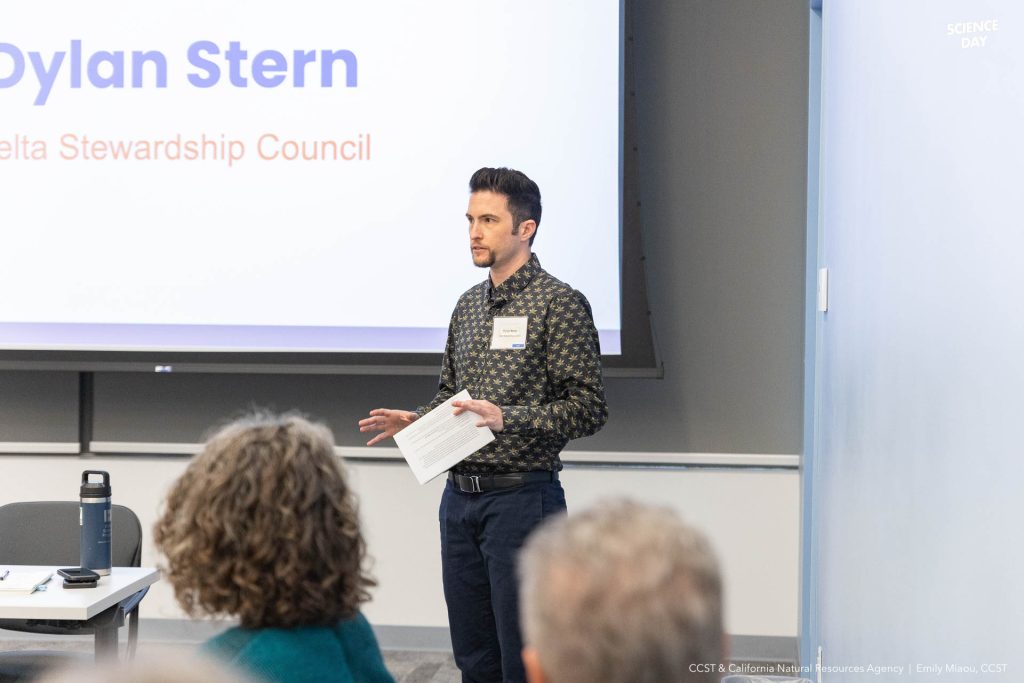
Anchor storytellers highlighted the importance of inclusive engagement, collaborative science, and coordinated management in strengthening California’s climate and ecosystem resilience. Natalie Obaldia discussed the challenges of engaging diverse communities in the Fifth Climate Change Assessment, emphasizing the need for accessible, culturally relevant communication to build awareness and participation. Dylan Stern described the Delta Stewardship Council’s Science for Communities initiative, which co-produces knowledge with tribes, community organizations, and local agencies in support of long-term community-driven science. Louise Conrad presented DWR’s Healthy Rivers and Landscapes Program, a coordinated, multi-sub-basin approach that integrates flows, habitat, and collaborative science to support native fish and inform adaptive management.
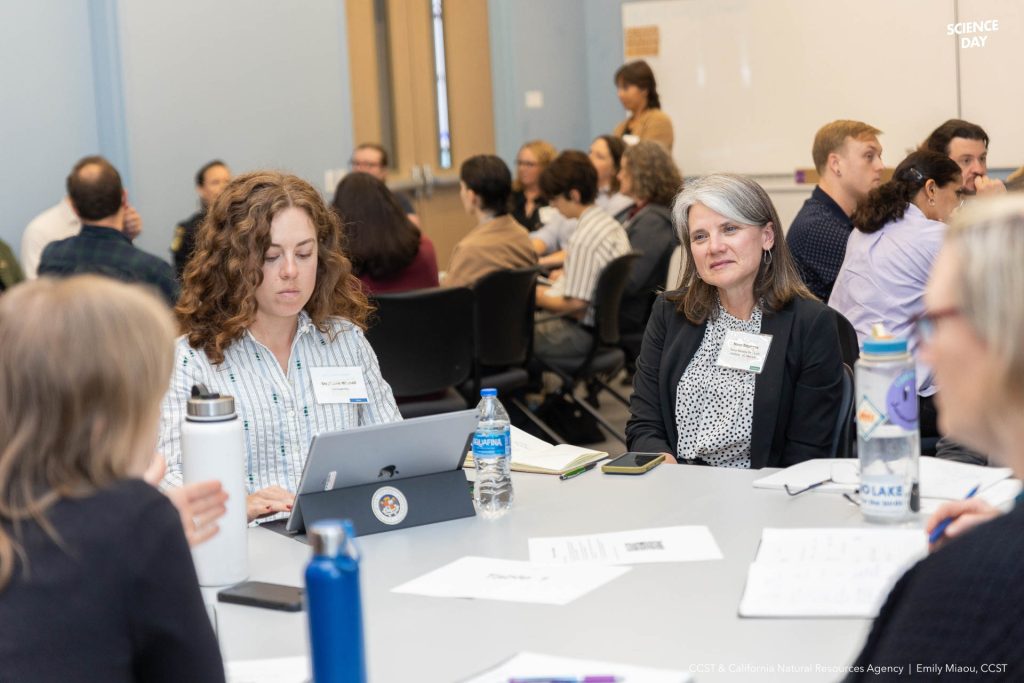
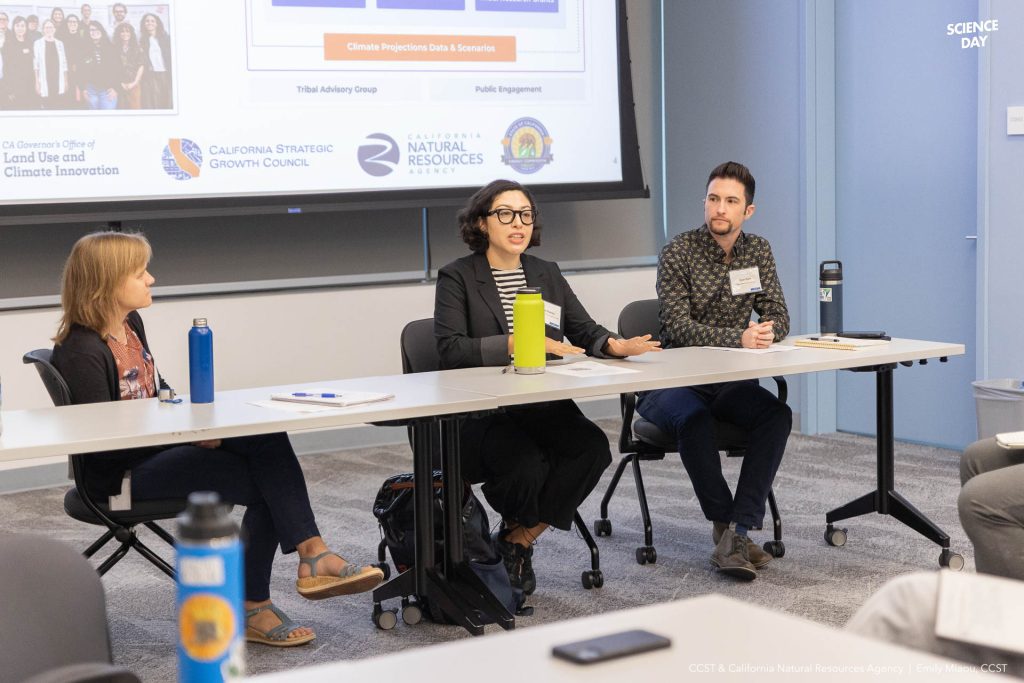
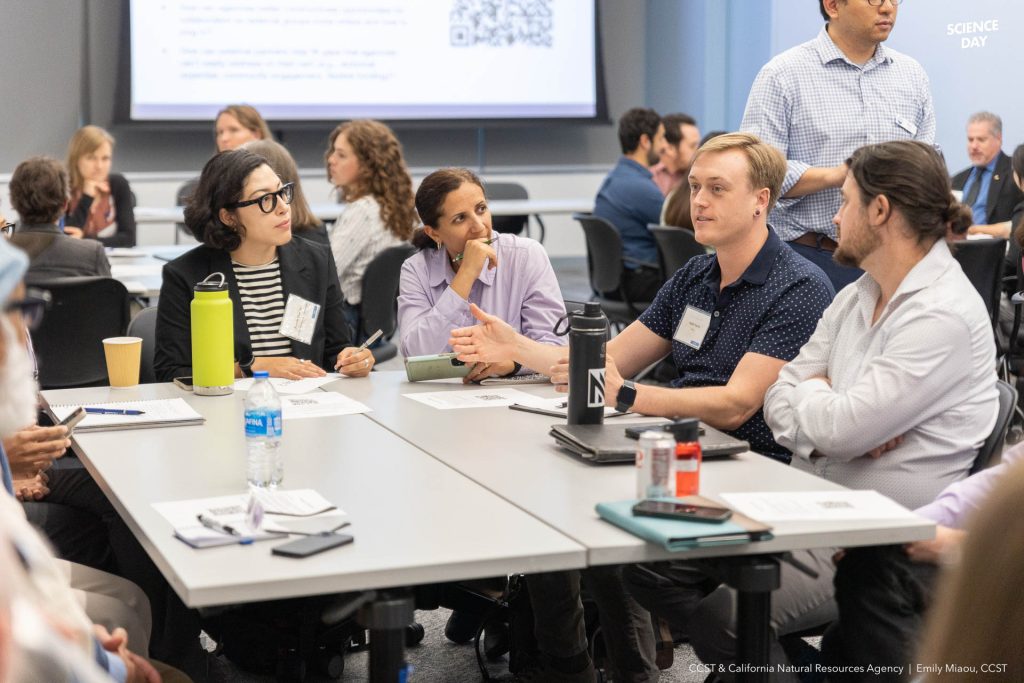
Session participants explored strategies to improve collaboration and better connect research and state partners. Participants emphasized the importance of clarifying roles, strengthening communication, and leveraging external partners to fill gaps that state government agencies cannot easily address, such as technical expertise, community engagement, or flexible funding. Key approaches included creating coordinator positions, maintaining databases of community relationships, and fostering one-on-one connections with diverse stakeholders. Early inclusion of partners, compensation for community participation, and outward-facing training were highlighted as essential for building trust and sustaining engagement.
Participants discussed structures and practices that help partnerships remain effective over time, including formal agreements, steering committees, working groups, shared data platforms, and standardized protocols. Continuity in engagement can be further supported through external consultants or philanthropic funding. Other opportunities to facilitate collaboration identified by participants include open data with standardized processes, AI tools for simplifying grants and contracts, and curated communications such as newsletters or email lists.
Communication strategies were also central to the discussion. Participants noted the importance of tailoring outreach to different audiences, including using agricultural extension models, interactive public-facing platforms, and peer-reviewed journals where appropriate. Government agencies were encouraged to proactively communicate opportunities for collaboration so external groups can engage effectively. NGOs and boundary-spanning organizations were cited as critical intermediaries that build trust and ensure continuity across sectors.
Overall, the session highlighted the need for coordinated, flexible, and equitable approaches to partnership-building. By addressing structural gaps, fostering early buy-in, and supporting both government and external partners, science–community collaborations can become more sustainable, impactful, and resilient over time.

Anchor Storytellers
Session Facilitator: John Thompson, CCST
Anchor storytellers emphasized the value of collaborative, evidence-based approaches to understanding ecosystem resilience and land stewardship. Taejin Park and Matthias Falk presented the Wildfire, Ecosystem Resilience & Risk Assessment Initiative (WERK), a NASA–California partnership that co-develops ecosystem monitoring data products with state agencies to better assess wildfire risk and guide natural resource protection. Dean Tonenna highlighted the Mono Lake Kutzadika’a Tribe: Pinyon Pine Traditional Stewardship Study, which documents how Indigenous land stewardship practices have maintained healthy pinyon pine forests by fostering diverse understories, reducing excess fuels, and protecting trees from catastrophic wildfire and pest outbreaks.
The session focused on creating clear, measurable ways to track progress in land management, wildfire response, and protecting nature. Participants discussed two important programs: the WERK initiative, a collaboration between NASA, California, and state agencies that helps detect changes in land use and evaluate how well management practices are working; and the Fifth Climate Change Assessment, which combines tribal knowledge with Western science.
A key theme was ensuring research actually helps people. Participants stressed the importance of knowing who will use the research, sharing progress with funders, and getting results to communities, policymakers, and practitioners in useful ways. Strong partnerships with federal agencies, the California Wildfire and Forest Resilience Taskforce, and state leaders like Secretary Crowfoot were identified as crucial for building trust and staying focused on climate solutions. Regular meetings, shared planning documents, and ongoing leadership involvement help keep these collaborations effective.
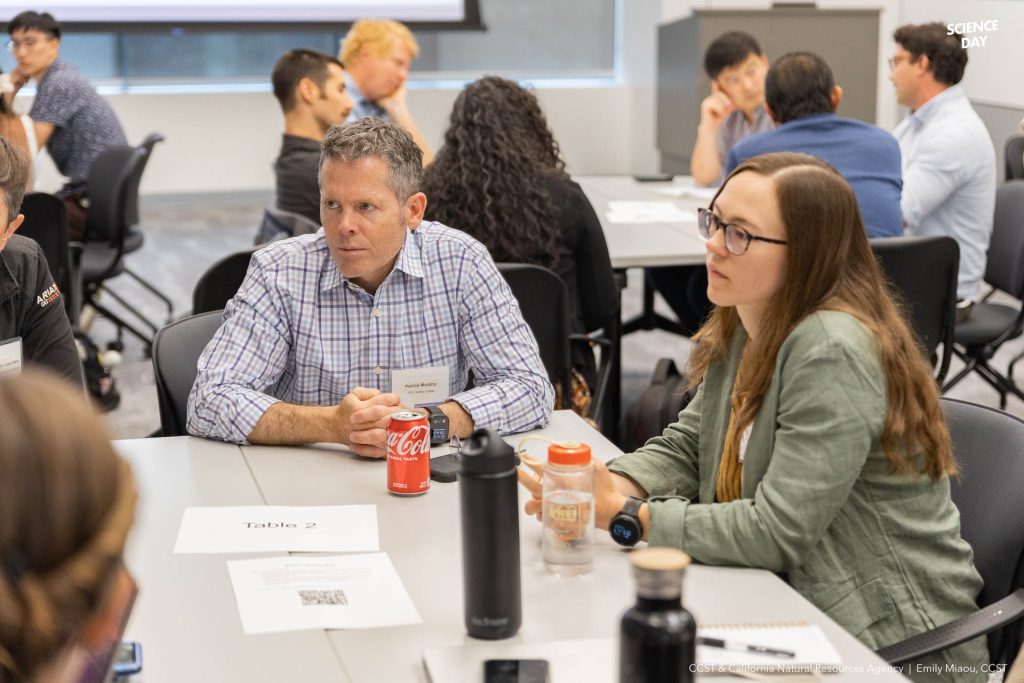
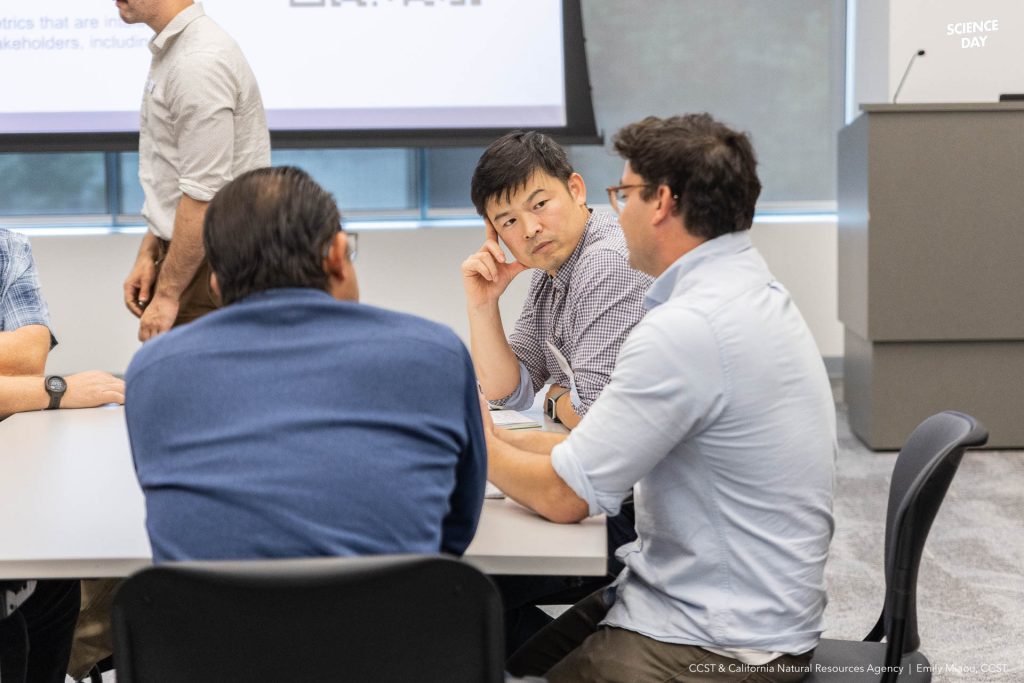
Participants discussed the practical challenges of handling large amounts of critical data. They identified key needs: free and adaptable tools, funding for data storage, and reliable access to information. Examples of data applications included tracking wildfires, monitoring pollution, using satellites and drones for surveillance, and remote sensing technology. The group emphasized the need for consistent data systems, clear visual presentations, and using stories and social media to make research more visible and understandable.
The discussion examined metrics and data from both scientific and community viewpoints. Topics included job market information, electric vehicle use in rural areas, ways to measure biodiversity beyond just counting acres, and public health concerns like wildfire smoke exposure. Participants stressed the importance of letting communities help define what gets measured, getting leaders on board, making tools easy to use, and ensuring results are meaningful to diverse groups including Indigenous youth and rural residents. Bringing together different knowledge systems through accessible tools was seen as essential for real impact.
The session concluded by highlighting the importance of partnerships, practical research approaches, and strategic funding to benefit communities and the economy. Key strategies included pooling resources from multiple funding sources, setting clear objectives, requiring collaboration, and making sure projects serve the people who pay for them. Participants noted how reliable, accessible data systems – combined with strong partnerships and genuine community involvement – are essential for building climate resilience, managing natural resources wisely, and turning research into action that makes a difference.

Participants:
California Secretary for Natural Resources Wade Crowfoot moderated a discussion on the intersection of science, policy, and California’s research landscape. NASA Ames Acting Director of Science Dr. Anthony Colaprete and UC Vice President for Research and Innovation Dr. Theresa Maldonado explored challenges and opportunities in forming effective partnerships during uncertain times, with Secretary Crowfoot highlighting the role of technology innovation and the Natural Resources Agency’s investments in collaboration.
Dr. Maldonado described UC’s efforts to strengthen partnerships with the state, including a $100 million allocation in the 2022–23 State Budget to engage higher education institutions on climate action. Through a statewide competition, research teams worked with communities to support state climate goals, and as grants near completion, they are assessing collective impact. She emphasized responsiveness to state priorities, clear communication, and showcasing the value of California’s academic community while fostering broader participation and stronger networks.
Dr. Colaprete highlighted NASA Ames’ approach to long-term community partnerships, workforce development, and mentoring, noting the challenge of navigating bureaucracy and establishing agreements. Both Dr. Colaprete and Dr. Maldonado acknowledged contracting with state agencies as both a constraint and an opportunity and stressed the importance of tailored approaches when collaborating with industry, nonprofit, or state partners.
The discussion also addressed funding and partnership dynamics in a shifting federal landscape. Dr. Maldonado noted that campuses are exploring alternatives such as industry collaborations, citing agricultural research as a successful model. She expressed confidence in California’s continued leadership, referencing the Fifth Climate Assessment and the $10 billion Climate Bond (Proposition 4) passed in 2024.
Dr. Colaprete stressed the need to train researchers to engage with industry and government, while Secretary Crowfoot highlighted California’s unique advantages, including Silicon Valley resources, strong state institutions, and convening power, suggesting communities of practice to share lessons and build connections. Community-oriented research, such as the ARCHES hydrogen hub with over 400 partners, underscored the importance of tribal representation, and speakers emphasized supporting tribal leadership and aligning state agency efforts.
The conversation also addressed sector-specific approaches and faculty recognition. Dr. Maldonado cited collaboration with the Governor’s Office of Business and Economic Development on fusion energy as an example, noting that each sector requires a tailored approach and that faculty contributions to community impact should be recognized beyond traditional publication metrics.
Audience members shared examples of effective engagement, including San Diego State University’s co-produced research with tribes on plant restoration and strategies to enhance student and faculty involvement, such as learning communities, classroom engagement by agency staff, and support for conference participation. Programs like UC Berkeley’s Data Discovery Program, the CCST Science and Technology Policy Fellowship, and the Delta Stewardship Council–Sea Grant partnership were highlighted as models for connecting students and researchers with state and industry work.
Secretary Crowfoot concluded by encouraging ongoing collaboration through convenings like Science Day. Dr. Colaprete emphasized the value of one-on-one connections, while Dr. Maldonado called for reducing bureaucracy and increasing the pace of work. Secretary Crowfoot underscored the urgency of accelerating partnerships and research impact, urging stakeholders to actively engage and “roll up their sleeves” to get things done.
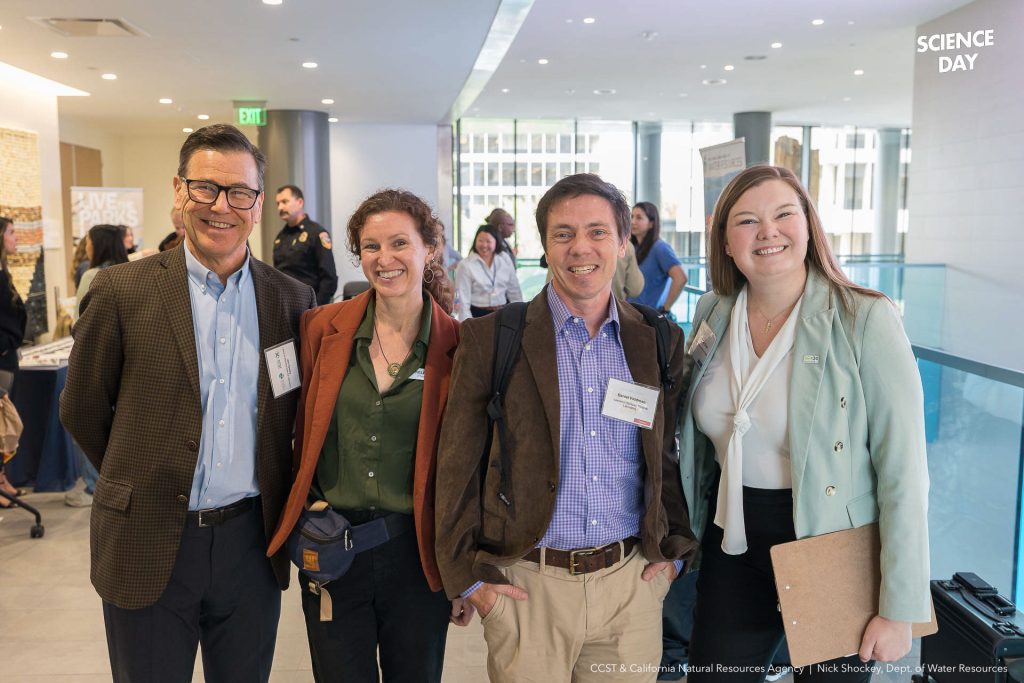
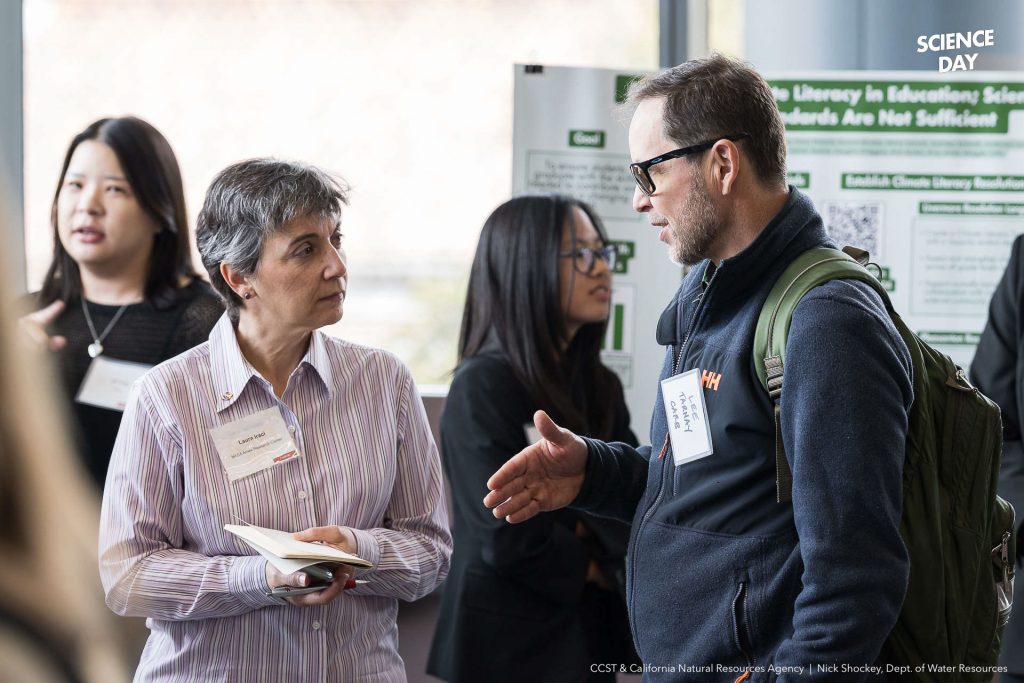
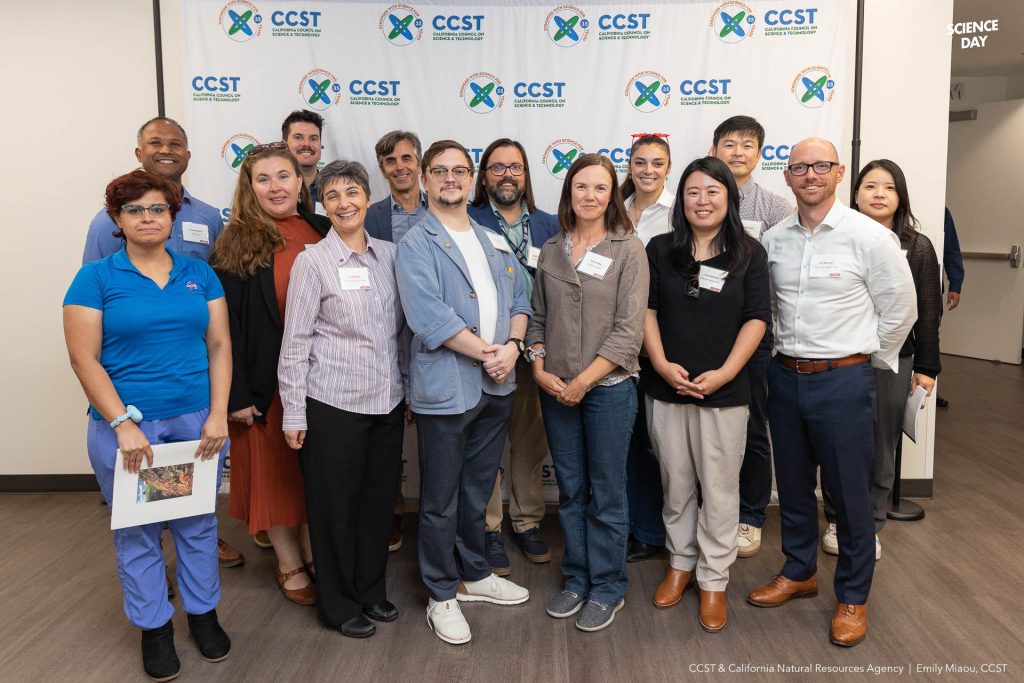
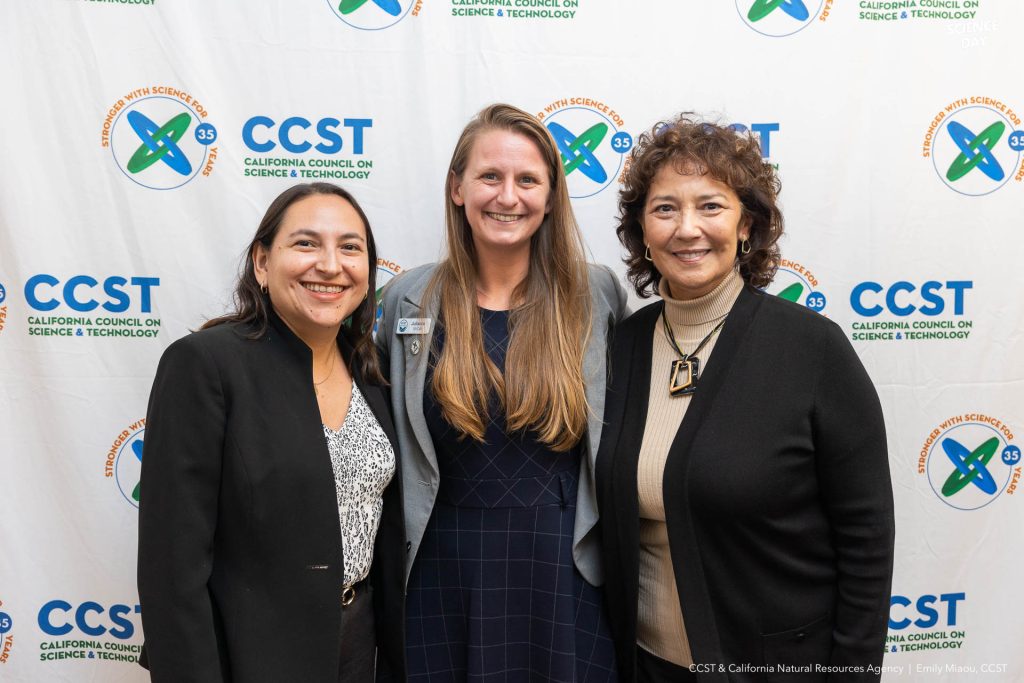
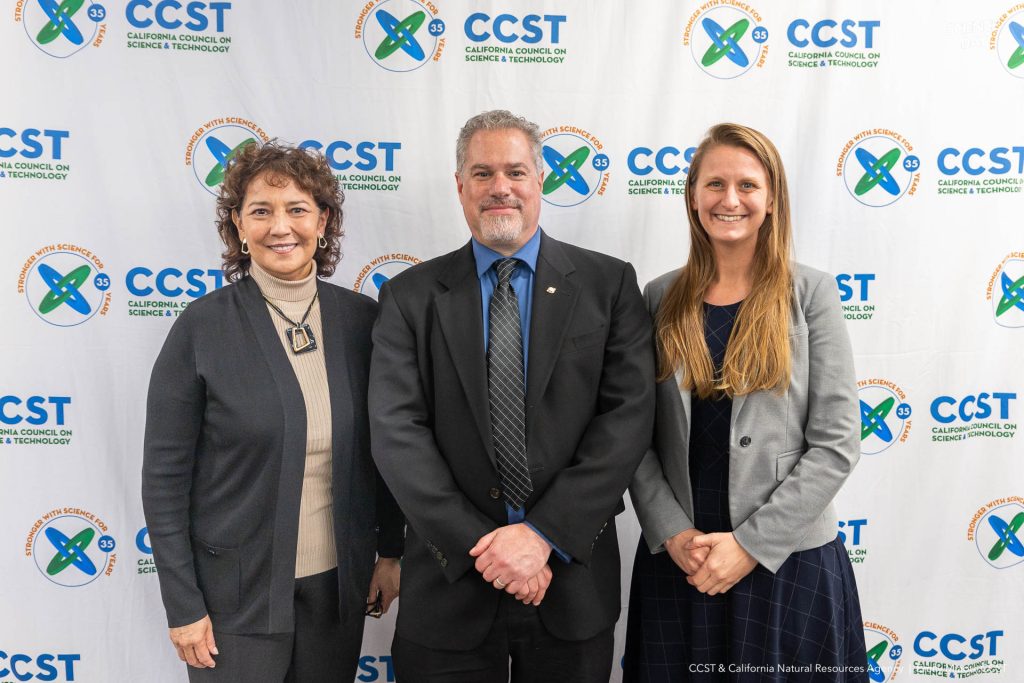

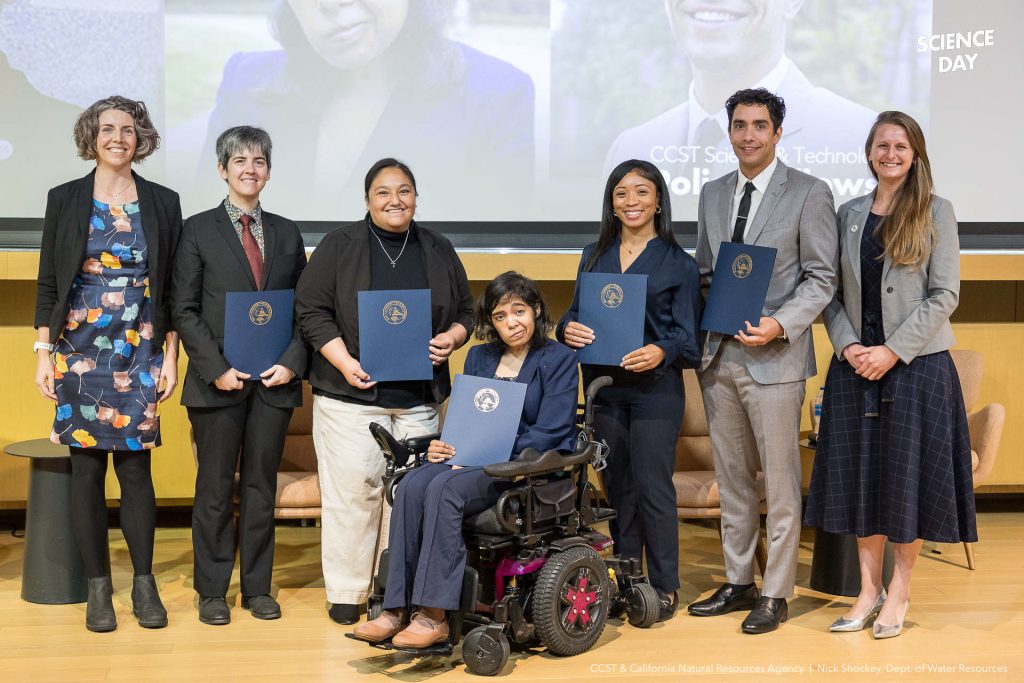
The 2025 CCST Science & Technology Policy Fellows placed in the Executive Branch were recognized during Science Day for their year of public service:
Download the Full Proceedings (PDF) to read the 52 poster abstracts from Science Day 2025.