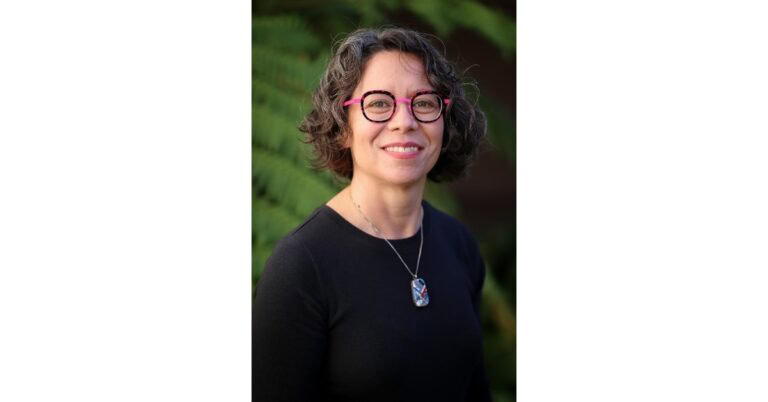
CCST Welcomes UC Santa Barbara’s Rachel Segalman, PhD, to Board of Directors

CCST Report Examines Use of Sulfuryl Fluoride and Alternatives for Structural Fumigation in California
February 3, 2026 | CCST Newsroom, Press Releases
FOR IMMEDIATE RELEASE
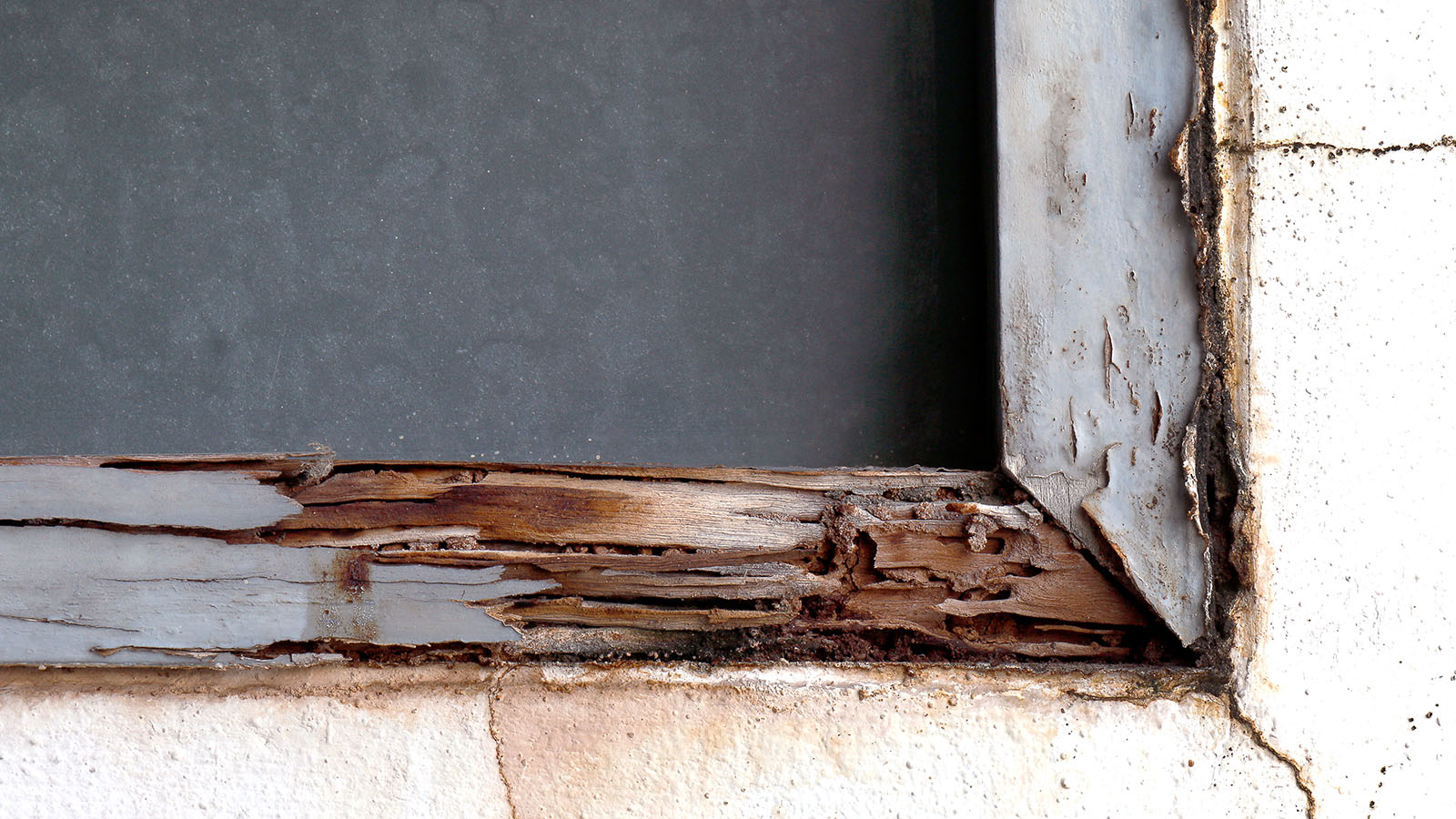
The California Council on Science and Technology (CCST) completed the report “Fumigant Use in California and an Assessment of Available Alternatives – Phase II Report on Structural Fumigation with Sulfuryl Fluoride.” This is the second report released in a multi-part study requested by the California Department of Pesticide Regulation (DPR) to support the state’s transition toward safer and more sustainable pest management practices.
DPR announced the release of the report today via a press release. The full independent, scientific, and technical assessment is now available to download at CCST’s website.
CCST evaluated ten alternatives to sulfuryl fluoride, which is the only federally approved pesticide used to manage pests like termites or beetles for whole-structure fumigation. The study found that both chemical and non-chemical localized treatments are effective and widely used in California. However, CCST concluded that few viable alternatives are currently available for whole-structure fumigation.
Cal Poly Strawberry Center Director Gerald Holmes, PhD, served as the study’s Steering Committee Chair, with University of Idaho Professor Emeritus of Ecotoxicology Alan Kolok, PhD, serving as co-Chair. The five-member Steering Committee worked with the report authors Michael Rust, PhD, UC Riverside Department of Entomology Professor Emeritus, and Kimberly Parra, MPH, PhD, Harvard T.H. Chan School of Public Health Research Collaborator and Epidemiologist.
“For two decades, sulfuryl fluoride has been the primary fumigant used to control drywood termites and other structural pests in California,” said Holmes. “While effective, growing evidence raises concerns about its human health and environmental impacts. This report examines current use, existing and emerging alternatives, and the scientific, regulatory, and practical barriers to broader adoption—while outlining research and policy considerations to support safer, more sustainable pest control.”
As part of its findings, the study also identifies barriers to expanding the use of currently available alternatives, including risk tolerance for pests, cost considerations, and regulatory factors. CCST concluded that existing research does not yet fully compare the costs and relative effectiveness of alternatives with whole-structure fumigation.
“Sustainable approaches to structural pest management demand addressing the regulatory, economic, and research barriers that limit the adoption of viable alternatives,” said Julianne McCall, PhD, Chief Executive Officer of CCST. “This report identifies clear opportunities to enhance the tools, data, and research capacity that guide decisions about sulfuryl fluoride and its alternatives.”
The Phase I report, released in early 2025, focused on the soil fumigants 1,3-dichloropropene (1,3-D) and chloropicrin. The final reports on pre-plant soil fumigants and post-harvest commodity fumigants are anticipated in 2026.
Per CCST’s standard study process, the report was subject to peer review by independent experts, while another independent expert served as Report Monitor to oversee the process, ensuring that peer review comments were sufficiently addressed. An Oversight Committee reviewed the entire process, including conflict-of-interest declarations. The report’s findings and conclusions are based on a review of published literature and official and voluntary databases.
As defined by the study process, efforts were made to solicit input from expert individuals who have been directly involved in, or who have special knowledge of, the problem under consideration. CCST identified and connected with individuals to provide these perspectives through a variety of avenues including public calls for expertise, recommendations from study team members, and targeted searches or outreach. These external experts provided their perspectives in the form of meetings with the study team or by serving as external peer reviewers of the report. These efforts supplemented a rigorous process of identifying report authors and steering committee members, all of whom are required to complete a non-disclosure agreement (NDA) and undergo conflict of interest (COI) review to allow frank and open discussions among the study team and ensure that no personal or financial interests could compromise the integrity of the final report.
###
About the California Council on Science and Technology
The California Council on Science and Technology (CCST) is a nonpartisan, nonprofit organization that engages leading experts in science and technology to advise state policymakers — ensuring that California policy is strengthened and informed by scientific knowledge, research, and innovation. Established via a unanimous vote of the Legislature in 1988, CCST has been making California’s policies stronger with science and technology for nearly 40 years.